- Home

Are Garden Benchs Smaller Than An Outdoor Sofa
Views: 0 Author: Site Editor Publish Time: 2026-04-30 Origin: Site


Are garden benches smaller than an outdoor sofa? In most cases, yes. Garden benches are usually more compact, while an outdoor sofa is often larger, deeper, and designed for relaxed outdoor living.
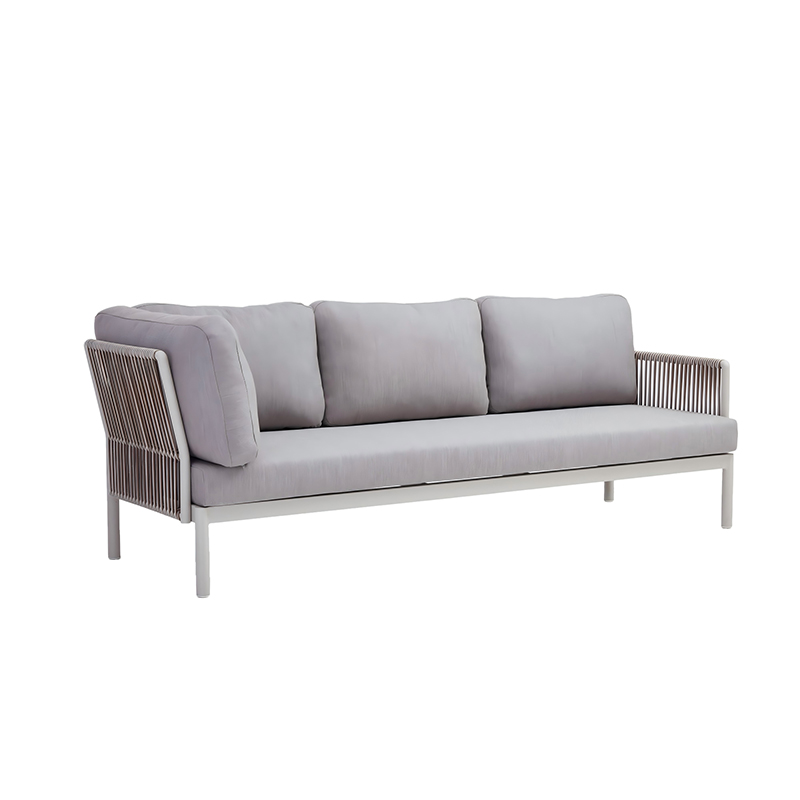
Many buyers compare these two options when planning gardens, patios, balconies, hotels, restaurants, or commercial outdoor spaces. In this post, we’ll compare their size, comfort, materials, and best-use scenarios, so you can choose the right outdoor seating solution.
Are Garden Benches Usually Smaller Than an Outdoor Sofa?
Yes, garden benches are usually smaller than an outdoor sofa. A typical garden bench is designed for simple seating, often for two or three people. It usually has a narrow seat, a straight backrest, and a compact frame. It is made to fit gardens, pathways, parks, courtyards, and small outdoor corners without taking up too much space.
An outdoor sofa, on the other hand, is usually wider, deeper, and more lounge-oriented. It is designed not only for sitting, but also for relaxing, leaning back, talking with family, entertaining guests, or creating an outdoor living room. Because of this, an outdoor sofa often includes thick seat cushions, back cushions, armrests, modular sections, corner units, ottomans, or matching coffee tables.
So, if the main question is about physical footprint, garden benches are generally smaller. But size alone does not decide which furniture is better. The better choice depends on comfort expectations, outdoor layout, project type, style, budget, and how long people will sit there.
Why This Comparison Matters for Outdoor Furniture Buyers
Comparing garden benches and outdoor sofas is important because outdoor spaces are being used differently today. In the past, many gardens only needed a simple bench for short rest. Today, patios, balconies, rooftops, poolside areas, terraces, and hotel gardens are often designed as extensions of indoor living spaces.
This shift changes what buyers expect from outdoor furniture. They want outdoor seating that is comfortable, durable, beautiful, and suitable for real daily use. For this reason, the outdoor sofa has become a popular choice for homeowners and commercial buyers who want to create a lounge-style outdoor space.
However, not every space needs a large sofa. A small garden path, narrow balcony, public walkway, or scenic viewing area may be better served by a garden bench. The goal is not to decide that one product is always better than the other. The goal is to understand the difference and choose the right seating solution for the right place.
Standard Size Comparison: Garden Bench vs Outdoor Sofa
Although exact sizes vary by manufacturer and design, garden benches are usually more compact than outdoor sofas. A garden bench is often narrower in depth and simpler in structure. An outdoor sofa usually needs more floor space because it is designed for comfort, cushioning, and a more relaxed sitting posture.
Furniture Type
Typical Seating Capacity
Approximate Size Range
Space Requirement
Best For
Garden Bench
2–3 people
Compact length and narrow depth
Low
Gardens, pathways, parks, small patios
2-Seater Outdoor Sofa
2 people
Wider and deeper than a bench
Medium
Balconies, patios, lounge corners
3-Seater Outdoor Sofa
3 people
Larger width with deeper seating
Medium to high
Outdoor living rooms, villas, resorts
Modular Outdoor Sofa
3+ people
Flexible and expandable
High
Hotels, restaurants, poolside lounges, commercial spaces
This table shows the key difference clearly. A garden bench is usually smaller and easier to place. An outdoor sofa requires more planning but provides a more comfortable and complete outdoor seating experience.
Why Garden Benches Are More Compact
Garden benches are compact because they are designed with a simple purpose: to provide practical seating in outdoor spaces. Most benches have a straight seat, a fixed backrest, and a relatively narrow depth. Many do not include thick cushions, large armrests, or movable modules.
This simple structure makes a garden bench easy to place along a path, under a tree, near a flower bed, against a wall, or beside a courtyard. It can provide seating without becoming the visual center of the space. In many garden designs, the bench is not meant to dominate the layout. It is meant to support the landscape.
A garden bench also has a lighter visual appearance. Even when made from wood, metal, or stone, it often leaves more open space around it. This is useful in smaller gardens where bulky furniture can make the area feel crowded.
By comparison, an outdoor sofa is designed to create a destination. It often becomes the main furniture piece in a patio or lounge area. Because it includes deeper seats, larger cushions, and a more relaxed structure, it naturally takes up more space.
Why Outdoor Sofas Are Usually Larger
An outdoor sofa is larger because it is built for comfort and lifestyle use. It is not just a place to sit for a few minutes. It is often the main seating area for conversations, afternoon tea, family gatherings, hotel lounges, restaurant terraces, and poolside relaxation.
The first reason outdoor sofas are larger is seat depth. A deeper seat allows users to lean back, relax, and sit for a longer time. This is very different from a garden bench, where the sitting posture is usually more upright.
The second reason is cushioning. An outdoor sofa usually includes seat cushions, back cushions, and sometimes side pillows. These cushions improve comfort but also increase the overall size. Cushion thickness, foam structure, fabric type, and cover design all affect the final footprint.
The third reason is modular design. Many modern outdoor sofas are made with modular units. Buyers can combine corner pieces, armless chairs, ottomans, chaise lounges, and coffee tables to create a flexible outdoor layout. This is excellent for comfort and functionality, but it requires more space than a simple bench.
Garden Bench vs Outdoor Sofa: Comfort Comparison
Comfort is one of the biggest differences between a garden bench and an outdoor sofa. A garden bench is practical, but it is usually designed for short-term sitting. It works well when someone wants to rest during a walk, enjoy a view, read for a short time, or sit in a quiet garden corner.
An outdoor sofa is designed for longer use. It usually provides softer support, deeper seating, better back comfort, and a more relaxed posture. This makes it more suitable for outdoor living rooms, resort lounges, restaurant patios, family patios, and private villa gardens.
Comparison Point
Garden Bench
Outdoor Sofa
Comfort Level
Basic to medium
Medium to high
Best Sitting Time
Short-term sitting
Long-term lounging
Seat Depth
Usually narrow
Usually deeper
Cushion Support
Optional or limited
Usually included
Back Support
Simple and upright
Softer and more relaxed
Lounge Feeling
Limited
Strong
Best User Experience
Quick rest or decorative seating
Relaxation, conversation, hospitality, outdoor living
Garden benches can become more comfortable with seat cushions or back pillows, but they usually cannot match the comfort of a full outdoor sofa. If comfort is the main priority, an outdoor sofa is usually the better choice.
Space Planning: Which One Fits Better?
Space planning is one of the most important steps before buying outdoor furniture. A garden bench may be smaller, but that does not automatically make it better for every small space. Likewise, an outdoor sofa may be larger, but it can still work beautifully if the layout is planned well.
For narrow gardens, garden benches are often the better option. They can fit along walls, walkways, fences, or planting areas. They provide seating without blocking movement.
For balconies, the choice depends on width and depth. A compact garden bench may work well on a narrow balcony. A small 2-seater outdoor sofa may work better on a wider balcony where comfort is more important.
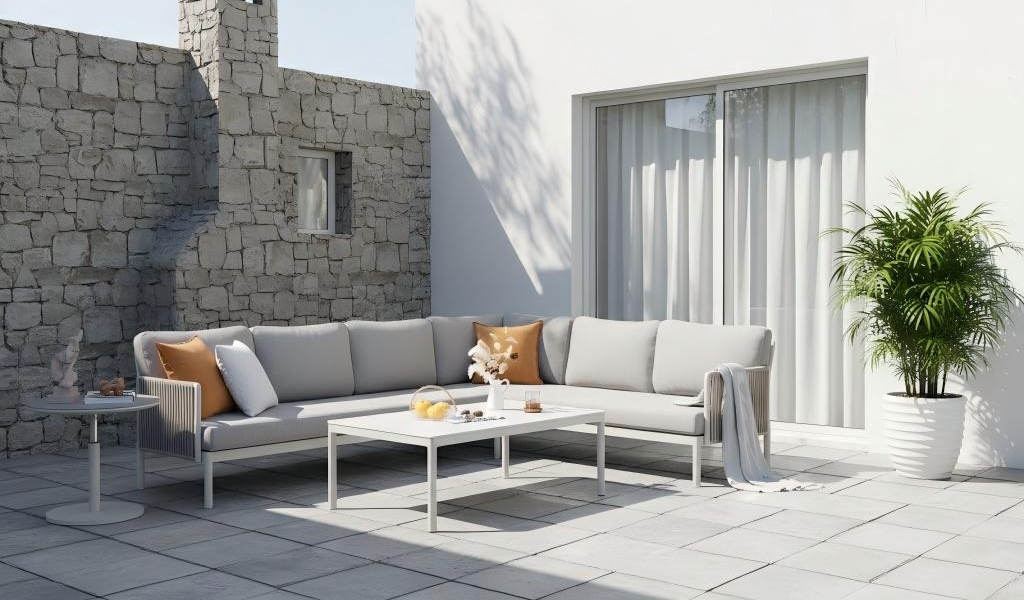
For patios and decks, outdoor sofas are often a stronger choice because these areas are commonly used as outdoor living rooms. A sofa can define the seating zone and make the space feel more complete.
For hotels, resorts, restaurants, and commercial spaces, both options can be used together. Benches can serve pathways, waiting areas, and scenic zones. Outdoor sofas can serve lounge areas, VIP spaces, poolside zones, and outdoor dining terraces.
When Should You Choose a Garden Bench?
A garden bench is a good choice when the space is compact, the seating need is simple, or the design goal is decorative. It is especially useful in gardens where the furniture should blend into the landscape rather than become the main feature.
Choose a garden bench when:
● You need compact seating for a narrow outdoor space.
● You want simple seating along a pathway or wall.
● The furniture will be used for short sitting rather than long lounging.
● You want a classic garden look.
● You need a lower-cost outdoor seating option.
● You want furniture that is easy to move, place, and maintain.
● The outdoor area is more landscape-focused than lounge-focused.
A garden bench can also be a good choice for parks, public gardens, courtyards, school campuses, shopping centers, and scenic spots. In these areas, users may only sit for a short time, so compactness and durability may matter more than deep comfort.
When Should You Choose an Outdoor Sofa?
An outdoor sofa is the better choice when comfort, style, and user experience are more important than compact size. It is especially suitable for spaces where people gather, relax, talk, eat snacks, enjoy drinks, or spend longer periods outdoors.
Choose an outdoor sofa when:
● You want to create an outdoor living room.
● Comfort is a top priority.
● The seating area is used for family gatherings or social events.
● You need a premium look for a villa, hotel, resort, or restaurant.
● You want modular furniture that can be arranged in different ways.
● You need cushions, back support, and a lounge-style experience.
● The outdoor area is large enough for deeper seating.
For commercial projects, an outdoor sofa can help improve the perceived value of the space. A comfortable sofa area can encourage guests to stay longer, take photos, relax, and enjoy the environment. This is why outdoor sofas are common in resorts, rooftop bars, poolside lounges, restaurant terraces, and hotel courtyards.
Materials Used for Garden Benches
Garden benches are made from many different materials. Each material has its own advantages and maintenance requirements.
Wooden benches are classic and natural. Teak, acacia, eucalyptus, and other hardwoods are common choices. They work well in gardens because they blend with plants, trees, and natural landscapes. However, wood may need oiling, sealing, or regular maintenance to resist moisture and cracking.
Metal benches are strong and durable. Cast aluminum, wrought iron, and steel are common options. Metal benches can have decorative patterns and a classic appearance, but they may need rust protection in humid or coastal environments.
Plastic wood or composite benches are popular for low-maintenance public spaces. They can resist moisture better than natural wood and are easier to clean. However, quality varies, so buyers should check strength, UV resistance, and color stability.
Stone or concrete benches are very durable and stable. They are often used in parks, public gardens, and landscape projects. However, they are heavy and less comfortable without cushions.
Materials Used for Outdoor Sofas
Outdoor sofas require more advanced material planning because they include frames, cushions, fabric, hardware, and sometimes weaving or rope details.
Aluminum is a popular frame material because it is lightweight, rust-resistant, and suitable for modern outdoor furniture. Powder-coated aluminum can offer both durability and color options.
PE rattan is widely used for outdoor sofas because it provides a relaxed garden and resort look. High-quality PE rattan can resist weather better than natural rattan and is suitable for patios, balconies, and hospitality spaces.
Teak and treated wood are also used for outdoor sofas. They create a warm and natural look, but they may need maintenance depending on the climate and finish.
Outdoor fabrics are essential for sofa cushions. Common options include polyester, olefin, acrylic, and solution-dyed fabrics. Good outdoor fabric should resist fading, moisture, stains, and daily wear.
Quick-dry foam is another important feature. It helps cushions dry faster after rain or cleaning. This is especially useful for poolside areas, humid climates, hotels, and restaurants.
Design Style Differences
A garden bench often has a simple, classic, or decorative style. It may be traditional, rustic, vintage, modern, or minimalist. Because it is smaller, it can be placed as an accent piece in a garden without changing the entire layout.
An outdoor sofa usually has a stronger design presence. It can define the style of the entire outdoor space. Modern outdoor sofas may use modular shapes, curved frames, rope weaving, thick cushions, neutral fabrics, earth tones, or mixed materials. These design elements help create a comfortable and premium outdoor environment.
Current outdoor living trends show that many buyers want outdoor spaces to feel like indoor living rooms. This means outdoor sofas are becoming softer, more comfortable, and more design-focused. At the same time, flexible modular furniture is becoming more popular because users want to rearrange seating for different occasions.
This trend does not make garden benches outdated. Instead, it gives both furniture types different roles. Benches are excellent for compact and landscape-focused areas. Outdoor sofas are ideal for comfort-focused social areas.
Cost Comparison: Garden Bench vs Outdoor Sofa
Garden benches are usually more affordable than outdoor sofas because they have simpler structures and fewer components. A bench may only need a frame, seat, and backrest. An outdoor sofa requires a larger frame, cushions, fabric, foam, stitching, packaging, and sometimes modular hardware.
However, cost should not be judged only by purchase price. Long-term value matters. A low-cost bench may be enough for a pathway or small garden, but it may not provide the comfort needed for a hospitality lounge. A higher-quality outdoor sofa may cost more upfront, but it can deliver better user experience and stronger visual impact.
For commercial buyers, the cost comparison should include durability, maintenance, replacement frequency, guest satisfaction, and brand image. In many hospitality projects, the outdoor sofa is not just furniture. It is part of the customer experience.
Maintenance Comparison
Garden benches are usually easier to maintain because they have fewer parts. A wooden bench may need cleaning, oiling, or sealing. A metal bench may need rust checks. A plastic wood bench may only need regular washing. If cushions are added, they should be stored or covered during bad weather.
Outdoor sofas need more detailed maintenance because they include cushions and fabric. Cushion covers should be cleaned regularly. Frames should be checked for scratches, rust, or loose parts. PE rattan or rope weaving should be cleaned gently to remove dust and dirt. Cushions should be kept dry when possible, especially in rainy or humid climates.
A good outdoor sofa is designed to make maintenance easier. Removable cushion covers, quick-dry foam, powder-coated frames, and weather-resistant fabrics can reduce maintenance work. For hotels and restaurants, this can save time and labor costs.
Which One Is Better for Small Gardens?
For a small garden, a garden bench is often the easiest choice. It takes up less floor space and can sit naturally against a wall, under a tree, beside a flower bed, or near a pathway. It gives users a place to rest without changing the garden’s main function.
However, a small outdoor sofa can also work if the garden is designed as a compact lounge space. For example, a small 2-seater outdoor sofa with a side table can create a cozy corner for coffee, reading, or conversation. The key is measuring the space before buying.
A helpful rule is to leave enough walking space around the furniture. If the furniture blocks movement, the garden will feel crowded. If the furniture is too small for the space, the area may feel unfinished. The right balance depends on how the space will be used.
Which One Is Better for Patios and Decks?
For patios and decks, an outdoor sofa is often the better choice because these areas are commonly used for relaxation and entertainment. A patio usually has enough space for deeper seating, a coffee table, and side chairs. A sofa can create a central gathering area and make the patio feel like an outdoor room.
A garden bench can still work on a patio, especially as secondary seating. For example, a bench can be placed along the edge of the patio, near a planter, or beside an entrance. But if the goal is comfort and social use, an outdoor sofa usually performs better.
Decks also benefit from outdoor sofas because they often connect directly to indoor living spaces. A sofa can create a smooth transition between indoor and outdoor areas, especially when the style, color, and material match the home’s design.
Which One Is Better for Hotels, Resorts, and Restaurants?
For hotels, resorts, and restaurants, both furniture types have value. The best choice depends on the function of each area.
Garden benches are useful for walkways, gardens, entrances, waiting areas, scenic viewpoints, and public rest zones. They are compact, practical, and durable. They can guide movement and provide short-term seating.
Outdoor sofas are better for areas where guests are expected to stay longer. These include poolside lounges, outdoor bars, restaurant terraces, VIP areas, hotel courtyards, resort villas, and garden lounges. In these spaces, comfort and atmosphere are very important.
For commercial projects, outdoor sofas can help create a premium experience. Guests often judge outdoor spaces by how comfortable and attractive the seating looks. A well-designed sofa area can make a hotel or restaurant feel more inviting and memorable.
Can Garden Benches and Outdoor Sofas Be Used Together?
Yes, garden benches and outdoor sofas can work very well together. In fact, combining them often creates a more complete outdoor furniture plan.
A garden bench can provide compact seating in quiet corners, along paths, or near landscape features. An outdoor sofa can create the main lounge area for relaxation and conversation. This combination allows the outdoor space to serve different purposes.
For example, a resort garden may use benches near walking paths and outdoor sofas near the pool. A restaurant may use benches near the entrance and sofas in the lounge area. A villa garden may use a bench under a tree and a modular sofa on the patio.
The key is to match materials, colors, and design language. The furniture does not need to be identical, but it should feel connected. Using similar frame colors, cushion tones, wood finishes, or woven textures can create a cohesive look.
How to Measure Before Choosing Outdoor Seating
Before choosing between a garden bench and an outdoor sofa, measure the space carefully. Start with the total available width and depth. Then consider walking paths, doors, plants, walls, railings, tables, and other furniture.
For a garden bench, make sure there is enough space for people to sit down and stand up comfortably. The bench should not block movement or feel squeezed into a corner.
For an outdoor sofa, measure both the sofa and the surrounding activity area. Users need space to walk around, place a coffee table, move cushions, and sit comfortably. If the sofa is modular, measure every possible arrangement.
It is also important to think about scale. A very small bench can look lost in a large patio. A large sofa can overwhelm a narrow balcony. Good outdoor furniture planning is about proportion, not only measurement.
How Outdoor Sofa Manufacturers Can Help Buyers Choose
A professional outdoor sofa manufacturer can help buyers choose the right furniture by considering space size, climate, project type, budget, and design goals. This is especially useful for commercial buyers who need consistency, durability, customization, and reliable supply.
Manufacturers can recommend suitable frame materials, cushion thickness, fabric types, modular layouts, colors, and packaging solutions. They can also help balance comfort, cost, and long-term performance.
For example, a hotel project may need modular outdoor sofas with quick-dry cushions and durable fabric. A restaurant terrace may need compact sofas that are easy to clean. A villa garden may need a luxury outdoor sofa with custom colors and premium materials. A small balcony collection may need a compact 2-seater design.
Customization is one reason outdoor sofas are valuable. Buyers can select dimensions, materials, cushion design, frame finish, and layout based on the exact outdoor environment.
Final Buying Guide: Garden Bench or Outdoor Sofa?
Choose a garden bench if your main priority is compact size, simple seating, easy placement, and lower cost. It is ideal for gardens, pathways, courtyards, parks, small patios, and short sitting.
Choose an outdoor sofa if your main priority is comfort, style, relaxation, social use, and premium outdoor living. It is ideal for patios, decks, balconies, poolside areas, hotels, resorts, restaurants, villas, and commercial lounge spaces.
If the outdoor area is small but comfort matters, consider a compact 2-seater outdoor sofa. If the outdoor area is large but needs extra seating in different zones, combine benches and sofas. If the project is commercial, plan the furniture according to user behavior: quick rest areas can use benches, while long-stay areas should use outdoor sofas.
The best outdoor seating choice is not always the smallest or the largest. It is the one that fits the space, supports the user experience, and delivers the right balance of comfort, durability, and style.
Conclusion
So, are garden benches smaller than an outdoor sofa? Yes, garden benches are usually smaller and more compact, making them suitable for gardens, pathways, small patios, parks, and decorative outdoor corners.
However, an outdoor sofa offers deeper seats, cushions, better comfort, and a more premium lounge experience. For patios, hotels, resorts, restaurants, balconies, gardens, and commercial lounge areas, choosing a professionally made outdoor sofa from Alpha Garden Furniture can provide better comfort, durability, and long-term value.
FAQs
1. Are garden benches smaller than outdoor sofas?
Yes. Garden benches are usually smaller, narrower, and more compact than outdoor sofas. They are often designed for simple seating, while outdoor sofas are designed for comfort, lounging, and social use.
2. How many people can sit on a garden bench?
Most garden benches seat two to three people, depending on the length and design. Larger custom benches may seat more people, but they are still usually less deep and less cushioned than outdoor sofas.
3. Is a garden bench better for small outdoor spaces?
Yes, a garden bench is often better for small gardens, narrow patios, walkways, courtyards, and compact outdoor corners. It provides seating without taking up too much space.
4. Is an outdoor sofa more comfortable than a garden bench?
In most cases, yes. An outdoor sofa usually has deeper seats, thicker cushions, softer back support, and a more relaxed seating experience. It is better for long conversations, family gatherings, and commercial lounge areas.
5. Should I choose a garden bench or an outdoor sofa?
Choose a garden bench if you need compact, simple, and decorative seating. Choose an outdoor sofa if you want more comfort, better lounge style, modular options, and stronger outdoor living value.