- Home

Can You Turn An Indoor Sofa into An Outdoor Sofa?
Views: 0 Author: Site Editor Publish Time: 2026-04-28 Origin: Site


Can you turn an indoor sofa into an outdoor sofa? Yes, but it is usually only suitable for short-term or protected outdoor use. Rain, sunlight, humidity, and temperature changes can quickly damage indoor fabric, foam, and frames.
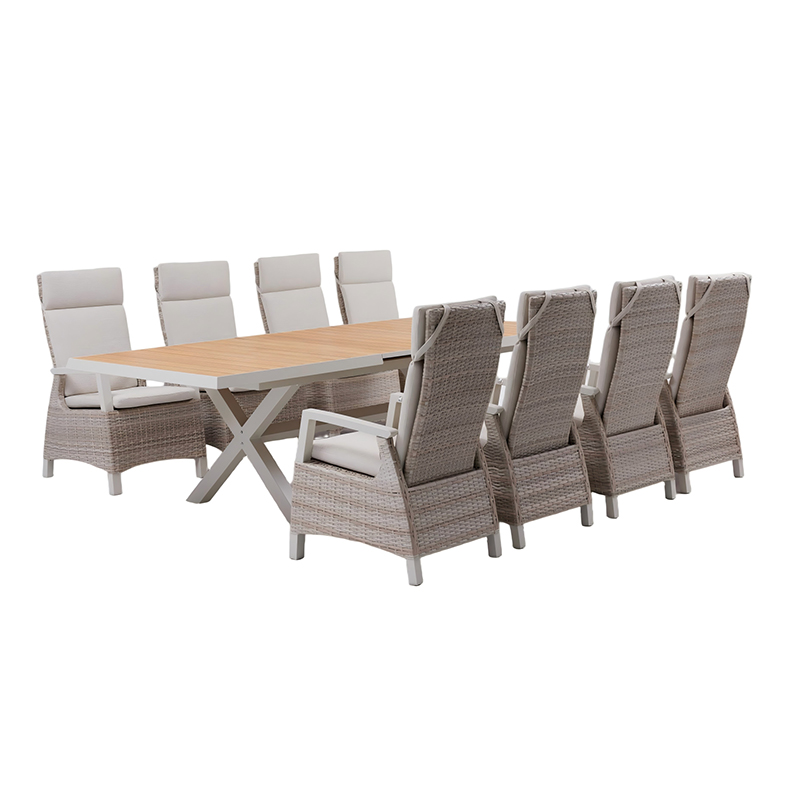
Many homeowners consider this idea to save money or reuse old furniture. In this post, you’ll learn how to protect an indoor sofa for outdoor use, what risks to expect, and when choosing a real outdoor sofa is the better long-term solution.
Can You Turn an Indoor Sofa into an Outdoor Sofa?
Yes, you can turn an indoor sofa into an outdoor sofa for temporary or semi-protected outdoor use. For example, if you place it in a covered patio, enclosed balcony, screened porch, sunroom, or shaded lounge area, you can improve its resistance by using waterproof fabric spray, outdoor cushion covers, frame sealant, furniture risers, and a breathable protective cover.
However, conversion does not make an indoor sofa equal to a real outdoor sofa. A professionally manufactured outdoor sofa is designed from the beginning to handle moisture, UV exposure, airflow, outdoor dirt, temperature changes, and regular cleaning. Indoor sofas are designed for climate-controlled rooms, not for rain, direct sunlight, wet flooring, or high humidity.
The best way to understand the question is this: you can adapt an indoor sofa for light outdoor use, but you cannot fully transform its original material structure. The fabric, foam, frame, joints, hardware, glue, and stitching may still be vulnerable outdoors. That means the converted sofa may work for a season, a special event, or a protected patio, but it may not be reliable for long-term outdoor living.
Why Indoor Sofas Are Not Designed for Outdoor Conditions
An indoor sofa is made for dry, stable, indoor conditions. Outdoor environments are much more demanding. Even if a patio looks clean and sheltered, the sofa may still be exposed to humidity, sunlight, dust, wind, insects, and temperature changes.
The biggest problem is moisture. Indoor fabric can absorb water, and indoor foam can hold moisture for a long time. Once water enters the cushion, it can create odor, mildew, mold, and fabric staining. A real outdoor sofa often uses outdoor-grade fabric, quick-dry foam, drainage-friendly cushion construction, and materials that allow better airflow.
The second problem is sunlight. UV rays can fade color, weaken fabric fibers, dry out leather-like materials, and damage decorative finishes. Indoor upholstery is usually not UV-resistant. Even if the sofa is never directly rained on, sunlight alone can shorten its lifespan.
The third problem is frame durability. Many indoor sofas use plywood, MDF, particle board, untreated wood, or metal parts that are not protected against outdoor humidity. These materials may swell, crack, warp, rust, or loosen. A professional outdoor sofa usually uses aluminum, powder-coated steel, stainless steel, teak, treated wood, PE rattan, rope, or other outdoor-ready materials.
Indoor Sofa vs Outdoor Sofa: Key Differences
Feature
Indoor Sofa
Real Outdoor Sofa
Fabric
Soft indoor upholstery, often not UV-resistant
Outdoor fabric designed for sunlight, moisture, and stains
Foam
Standard foam that absorbs and holds water
Quick-dry foam or water-resistant cushion structure
Frame
Wood, plywood, MDF, or indoor metal parts
Aluminum, treated wood, stainless steel, PE rattan, or powder-coated metal
Moisture Resistance
Low to medium after treatment
High when properly designed
UV Resistance
Usually low
Designed for outdoor sun exposure
Cleaning
More difficult after outdoor stains
Easier to clean with outdoor-friendly surfaces
Lifespan Outdoors
Shorter, especially in rain or humidity
Longer with proper maintenance
Best Use
Covered, temporary, or semi-outdoor areas
Patios, gardens, resorts, hotels, restaurants, poolside areas, and long-term outdoor use
This comparison shows why turning an indoor sofa into an outdoor sofa is possible but limited. You may improve protection, but you cannot easily rebuild the sofa’s original material engineering.
How to Turn an Indoor Sofa into an Outdoor Sofa
If you still want to turn an indoor sofa into an outdoor sofa, the process should be systematic. The goal is not to make it completely weatherproof, but to reduce damage as much as possible.
Step 1: Choose the Right Indoor Sofa
Not every indoor sofa is suitable for outdoor conversion. Before moving a sofa outside, check the frame, fabric, cushion structure, legs, and bottom panel.
A better candidate has a solid wood frame, metal frame, removable cushions, removable covers, and a simple structure. A poor candidate has MDF, particle board, delicate fabric, leather, velvet, glued decorative panels, or fixed cushions that cannot dry properly.
Step 2: Protect the Fabric
Fabric protection is one of the most important steps. Indoor upholstery is usually not designed to resist rain, UV rays, stains, or mildew. You can apply waterproof fabric spray or outdoor fabric protector to improve water resistance.
Before spraying, clean the sofa thoroughly and test the product on a hidden area. Apply the spray evenly and allow it to dry completely. Some protectors need multiple coats. You should also reapply the treatment regularly because outdoor exposure reduces its effectiveness over time.
However, waterproof spray does not make an indoor sofa fully waterproof. It only creates a protective layer on the surface. If rain is heavy or water stays on the sofa for too long, moisture can still enter the fabric and foam.
Step 3: Replace or Cover the Cushions
Indoor cushions are usually the weakest part of the conversion. Standard indoor foam absorbs moisture and dries slowly. Once moisture is trapped inside the cushion, mold, mildew, odor, and fabric damage may appear.
For better results, replace the indoor cushion foam with quick-dry foam or reticulated foam. These materials allow water to pass through and dry faster. If replacement is not possible, use outdoor cushion covers made from solution-dyed acrylic, olefin, outdoor polyester, or other weather-resistant fabrics.
A real outdoor sofa often uses cushion systems designed for airflow and drainage. This is one of the main reasons outdoor sofas last longer in patios, gardens, poolside areas, and commercial spaces.
Step 4: Seal and Protect the Frame
Frame protection depends on the material. If the frame is wood, apply outdoor wood sealant, varnish, or protective coating. If the frame has metal parts, use anti-rust spray or rust-resistant paint. If the legs touch the ground, add protective feet or risers to keep the sofa away from wet surfaces.
The bottom of the sofa is easy to ignore, but it is often the first area to suffer damage. Moisture from concrete, tiles, grass, or decking can enter the lower structure. Raising the sofa slightly improves airflow and reduces water contact.
Step 5: Use a Breathable Outdoor Sofa Cover
A protective cover is essential. Choose a breathable, waterproof, UV-resistant cover that fits the sofa properly. A good cover protects against rain, dust, leaves, bird droppings, and sunlight.
Avoid using cheap plastic sheets for long periods. Non-breathable plastic can trap moisture inside, creating the perfect environment for mold and mildew. Breathability matters because the sofa still needs airflow.
Step 6: Place It in a Protected Outdoor Area
Location can determine whether the conversion succeeds or fails. The best place for a converted indoor sofa is a covered patio, sunroom, balcony with a roof, screened porch, or semi-outdoor lounge. The worst place is an open garden, poolside, uncovered deck, or area exposed to direct rain.
Keep the sofa away from sprinklers, wet grass, muddy ground, and strong afternoon sunlight. If possible, place it on dry flooring with good drainage. This simple decision can extend the life of the converted sofa.
Cost Analysis: Conversion vs Buying an Outdoor Sofa
Cost Item
Indoor Sofa Conversion
Buying a Real Outdoor Sofa
Existing sofa
$0 if already owned
Not applicable
Waterproof spray or fabric protector
Low cost
Usually not needed at first
Outdoor cushion covers
Medium cost
Included in product design
Quick-dry foam replacement
Medium to high cost
Included in higher-quality models
Frame sealant or anti-rust coating
Low to medium cost
Usually included through outdoor materials
Outdoor protective cover
Recommended
Recommended
Maintenance frequency
High
Medium to low
Replacement risk
Higher
Lower
Long-term value
Good for temporary use
Better for long-term outdoor use
From a short-term perspective, conversion may look cheaper. From a long-term perspective, a real outdoor sofa may offer better value, especially when the furniture is used frequently or exposed to changing weather.
Conclusion
So, can you turn an indoor sofa into an outdoor sofa? Yes, but only with realistic expectations. You can improve an indoor sofa with waterproof fabric protection, outdoor cushion covers, quick-dry foam, frame sealant, anti-rust coating, furniture risers, and a breathable outdoor cover. You can also extend its life by placing it in a covered patio or protected outdoor area.
But even after these upgrades, an indoor sofa is still not the same as a professionally made outdoor sofa. Indoor sofas are not originally designed for moisture, UV rays, outdoor dirt, temperature changes, and long-term exposure. For temporary or protected use, conversion can work. For long-term outdoor living, commercial projects, hotels, resorts, restaurants, gardens, patios, and balconies, choosing a professionally designed outdoor sofa from Alpha Garden Furniture can provide better durability, easier maintenance, and stronger long-term value.
FAQs
1. Can you leave an indoor sofa outside permanently?
No, it is not recommended to leave an indoor sofa outside permanently. Indoor sofas are not designed for rain, UV exposure, humidity, or outdoor dirt.
2. How do you waterproof an indoor sofa for outdoor use?
You can apply waterproof fabric spray, use outdoor cushion covers, replace indoor foam with quick-dry foam, seal the frame, add furniture risers, and protect the sofa with a breathable waterproof cover.
3. Will an indoor sofa get moldy outside?
Yes, an indoor sofa can get moldy outside if moisture enters the fabric or foam and does not dry quickly.
4. What is the best place to use a converted indoor sofa outdoors?
The best place is a covered patio, screened porch, sunroom, enclosed balcony, or shaded semi-outdoor lounge.
5. Is it better to convert an indoor sofa or buy an outdoor sofa?
For temporary use, converting an indoor sofa can be acceptable. For long-term use, buying a real outdoor sofa is usually better because it is designed with weather-resistant frames, outdoor fabrics, quick-dry cushions, and more durable construction.