- Home

How To Choose Weather Resistant Outdoor Sofas
Views: 0 Author: Site Editor Publish Time: 2026-05-04 Origin: Site


A beautiful outdoor sofa may look perfect at first, but rain, sun, humidity, dust, and temperature changes can quickly expose poor materials. Without real weather resistance, fabric may fade, cushions may smell, and frames may rust.
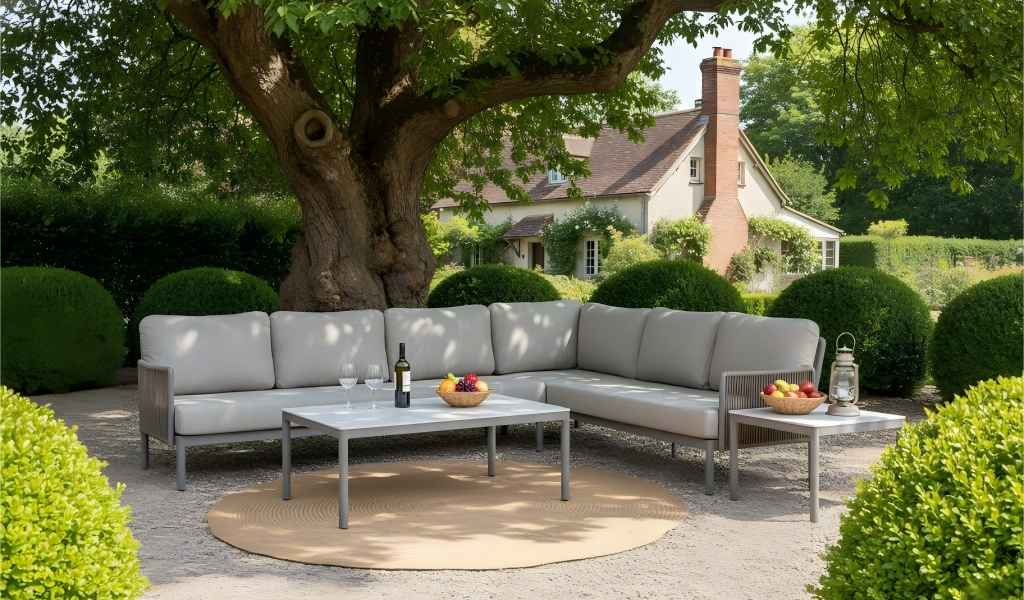
Many buyers focus only on style, color, or price, but a durable outdoor sofa should match the climate, frame material, cushion structure, fabric performance, and maintenance needs. In this post, you’ll learn how to choose weather resistant outdoor sofas that stay comfortable, attractive, and reliable for long-term outdoor use.
Why Weather Resistance Matters for Outdoor Sofas
Weather resistance matters because an outdoor sofa faces conditions that indoor furniture never has to handle. Rain, sunlight, humidity, wind, dust, insects, pollen, pool water, food spills, and coastal salt air can all affect the appearance and lifespan of an outdoor sofa.
A normal indoor sofa is designed for a stable room environment. A weather resistant outdoor sofa is designed for changing outdoor conditions. The difference is important. If the frame is not rust-resistant, moisture can damage the structure. If the cushion foam absorbs water, it can develop mold or odor. If the fabric has poor UV resistance, the color can fade quickly. If the hardware is low quality, screws and connectors may become weak over time.
For homeowners, choosing the wrong outdoor sofa may mean frequent cleaning, uncomfortable cushions, and early replacement. For commercial buyers, such as hotels, resorts, restaurants, cafes, and property developers, poor weather resistance can create higher maintenance costs and a weaker customer experience.
A good outdoor sofa is not only a decorative product. It is a long-term outdoor seating solution. That is why weather resistance should be one of the first buying standards, not an afterthought.
What Makes an Outdoor Sofa Weather Resistant?
A weather resistant outdoor sofa is not simply a sofa with waterproof fabric. It is a complete furniture system designed to handle outdoor exposure. The frame, fabric, foam, stitching, hardware, coating, cushion covers, and drainage structure all need to work together.
The most important features include:
● Rust-resistant frame materials
● UV-resistant outdoor fabric
● Quick-dry or water-drainage cushion design
● Mold-resistant and mildew-resistant materials
● Removable and washable cushion covers
● Strong stitching for outdoor use
● Durable hardware and connectors
● Easy-clean surfaces
● Breathable construction
● Suitable protective covers
A high-quality outdoor sofa should also match the local environment. For example, an outdoor sofa used in a sunny desert climate needs strong UV resistance. An outdoor sofa used near the sea needs corrosion-resistant materials. An outdoor sofa used beside a pool needs cushions and frames that can handle water exposure. An outdoor sofa used in a restaurant needs stain-resistant and easy-clean materials.
Start with Your Local Climate
The first step in choosing weather resistant outdoor sofas is understanding the local climate. Different climates create different risks, so the best outdoor sofa for one region may not be the best choice for another.
In hot and sunny climates, UV resistance is essential. Strong sunlight can fade fabric, dry out materials, and make dark cushions uncomfortable. Choose fade-resistant fabric, light or medium color options, powder-coated frames, and cushions designed for outdoor heat.
In rainy or humid climates, moisture control is the top priority. The outdoor sofa should use quick-dry foam, breathable cushion covers, mold-resistant fabric, and materials that do not trap water. Aluminum frames, PE rattan, and properly treated outdoor materials are often practical options.
In coastal climates, corrosion resistance is critical. Salt air can affect metal frames, screws, and hardware. Aluminum, stainless steel, and high-quality powder-coated frames are better than untreated steel. Regular cleaning is also important to remove salt residue.
In cold or seasonal climates, the outdoor sofa should have a strong frame and weather-resistant cover. Cushions should be stored indoors during snow, freezing weather, or long periods of non-use. If water enters the cushions and freezes, it may damage the structure.
Consider How the Outdoor Sofa Will Be Used
Usage matters as much as climate. A private garden sofa used on weekends does not face the same pressure as an outdoor sofa in a hotel, restaurant, or resort.
For residential patios, buyers often focus on comfort, appearance, and easy maintenance. A 2-seater, 3-seater, or modular outdoor sofa can create a relaxing family lounge area. Weather resistance is still important, but the sofa may not need the same heavy-duty performance as commercial furniture.
For hotels and resorts, the outdoor sofa must support frequent use, guest comfort, and professional appearance. Cushions should be easy to clean, fabric should resist fading, and frames should be strong enough for daily use.
For restaurants and cafes, stain resistance is very important. Food, drinks, oil, and frequent customer turnover can make maintenance more demanding. Removable cushion covers and easy-clean fabrics are highly recommended.
For poolside areas, water resistance and quick drying are key. The outdoor sofa may be exposed to wet swimwear, sunscreen, chlorine, and strong sunlight. Quick-dry foam and rust-resistant frames are valuable in this situation.
For balconies, size and weight matter. A compact outdoor sofa with an aluminum frame can be easier to move and better suited to limited spaces.
Choose the Right Frame Material
The frame is the backbone of an outdoor sofa. If the frame fails, the whole sofa loses stability, safety, and value. Weather resistant outdoor sofas usually use frames made from aluminum, powder-coated steel, stainless steel, teak, PE rattan, or rope with an internal metal frame.
Each material has strengths and limitations. The best choice depends on climate, budget, design style, and maintenance expectations.
Frame Material
Weather Resistance
Maintenance Level
Main Advantages
Best For
Aluminum
High
Low
Lightweight, rust-resistant, easy to clean
Patios, balconies, hotels, resorts
Powder-Coated Steel
Medium to high
Medium
Strong, stable, cost-effective
Commercial areas, windy spaces
Stainless Steel
High
Medium
Modern look, strong structure, good corrosion resistance
Premium projects, coastal patios
Teak Wood
High with care
Medium
Natural, elegant, durable
Villas, luxury gardens, resorts
PE Rattan
Medium to high
Low to medium
Relaxed style, lightweight, popular for gardens
Patios, balconies, poolside lounges
Rope/Woven Design
Medium to high
Medium
Modern, decorative, premium appearance
Boutique hotels, modern patios, resorts
Aluminum Frames
Aluminum is one of the most popular materials for a weather resistant outdoor sofa. It is lightweight, naturally resistant to rust, and easy to move. Powder-coated aluminum adds another layer of protection and allows different color finishes.
An aluminum outdoor sofa is suitable for patios, balconies, gardens, hotels, resorts, and commercial outdoor spaces. It is especially useful when buyers want modern design, low maintenance, and long-term outdoor performance.
When choosing aluminum, check the frame thickness, welding quality, coating finish, and stability. A thin aluminum frame may be lightweight but less durable. A well-made aluminum outdoor sofa should feel stable, balanced, and strong.
Powder-Coated Steel Frames
Powder-coated steel is strong and stable. It is heavier than aluminum, which can be useful in windy areas or commercial spaces where furniture should not move easily. However, steel can rust if the coating is damaged or low quality.
If you choose a steel outdoor sofa, make sure the coating is suitable for outdoor use. Check welding points, screw holes, and joints because these areas are more vulnerable to moisture. For humid or coastal areas, aluminum or stainless steel may be a safer choice.
Powder-coated steel can be a good option when buyers need strength, stability, and a controlled budget, but it requires proper maintenance.
Stainless Steel Frames
Stainless steel offers a clean, modern, and premium appearance. It is stronger and more corrosion-resistant than regular steel. A stainless steel outdoor sofa can work well in modern villas, luxury patios, rooftop lounges, and premium commercial projects.
However, stainless steel still needs maintenance, especially near the sea or swimming pools. Salt and chlorine can affect the surface if not cleaned regularly. Buyers should also check the grade of stainless steel and the quality of connectors.
A stainless steel outdoor sofa is a strong choice for high-end projects where design and durability are both important.
Teak Wood Frames
Teak is one of the best-known outdoor wood materials. It has natural oils that help it resist moisture and decay better than many other woods. A teak outdoor sofa creates a warm, natural, and elegant look, making it suitable for gardens, villas, resorts, and luxury outdoor spaces.
However, teak requires some maintenance. If left untreated, it may develop a silver-gray patina over time. Some buyers like this natural aging effect, while others prefer to use teak oil or sealant to maintain the golden tone.
When choosing a teak outdoor sofa, check the wood quality, joinery, finish, and cushion design. Teak is durable, but poor construction can still reduce performance.
PE Rattan Frames
PE rattan is widely used in outdoor sofa designs because it offers a relaxed garden and resort style. It is more suitable for outdoor use than natural rattan, which can crack or weaken in moisture.
A PE rattan outdoor sofa can work well for patios, poolside areas, balconies, gardens, and hospitality spaces. It is usually lightweight and easy to move. However, PE rattan quality varies. High-quality PE rattan should resist UV exposure, cracking, and fading better than low-grade plastic weaving.
Check the weaving tightness, frame underneath, UV resistance, and warranty details before buying. The internal frame is just as important as the rattan surface.
Rope and Woven Outdoor Sofa Designs
Rope outdoor sofa designs are increasingly popular because they look modern, soft, and decorative. They are often used in boutique hotels, resort lounges, modern gardens, and stylish patios.
A rope outdoor sofa usually has an aluminum or steel internal frame with outdoor-grade rope woven around it. The rope should be UV-resistant, weather-resistant, and strong enough for repeated use.
The main advantage is design. Rope sofas look lighter and more elegant than bulky frames. The main maintenance requirement is gentle cleaning and proper drying. Poor-quality rope may loosen, fade, or absorb moisture, so material selection is important.
Choose Outdoor Fabric Carefully
Fabric is one of the most visible and most vulnerable parts of an outdoor sofa. It affects comfort, appearance, color stability, cleaning, and weather resistance.
A weather resistant outdoor sofa should use fabric designed for outdoor use. Indoor upholstery is not enough. Outdoor fabric should resist UV rays, moisture, mildew, stains, and daily wear.
Common outdoor sofa fabric options include solution-dyed acrylic, olefin, outdoor polyester, PVC-coated fabric, and Textilene. Each has different benefits.
Solution-dyed acrylic is known for strong colorfastness and UV resistance. It is often used in premium outdoor cushions because the color is added into the fiber, not only printed on the surface. This makes it suitable for sunny patios, hotels, resorts, and high-end outdoor sofa collections.
Olefin is resistant to moisture, mildew, and stains. It is lightweight, comfortable, and practical for humid climates. It can be a strong choice for outdoor sofa cushions that need easy maintenance.
Outdoor polyester is common and versatile. With proper coating and treatment, it can perform well for residential patios, balconies, and mid-range outdoor sofa products. It is often more cost-effective than premium fabrics.
PVC-coated fabric has strong water resistance and is easy to clean. However, it may feel less soft than textile-style fabrics. It is useful for certain commercial or high-moisture applications.
Textilene is breathable, durable, and easy to clean. It is often used for outdoor chairs, loungers, and some outdoor sofa designs, especially in hot or humid climates.
Compare Cushion Materials
Cushions determine how comfortable the outdoor sofa feels. They also play a major role in weather resistance. A beautiful sofa with poor cushions may quickly become uncomfortable, smelly, or difficult to maintain.
Cushion or Fabric Component
Recommended Option
Main Benefit
Best Use
Cushion Foam
Quick-dry foam
Drains water faster and reduces mildew risk
Poolside, rainy areas, resorts
Cushion Foam
High-density outdoor foam
Better comfort and shape retention
Patios, villas, hotels
Cushion Cover
Removable outdoor fabric cover
Easier cleaning and replacement
Homes, restaurants, commercial spaces
Fabric Type
Solution-dyed acrylic
Strong UV and fade resistance
Sunny patios, premium projects
Fabric Type
Olefin
Moisture and mildew resistance
Humid climates
Extra Protection
Waterproof liner
Helps reduce water absorption
Semi-exposed outdoor sofa areas
Quick-dry foam is one of the best choices for rainy, humid, poolside, or commercial spaces. It allows water to pass through instead of staying trapped inside the cushion. This helps reduce mold, mildew, and odor.
High-density outdoor foam is good for comfort and shape retention. It should be paired with outdoor fabric and proper cushion covers to prevent moisture problems.
Removable cushion covers are highly recommended. They make cleaning easier and allow replacement if fabric becomes worn or stained. For hotels, restaurants, and resorts, this can reduce long-term maintenance costs.
Waterproof cushion liners can help reduce water entry, but they should not trap moisture inside. Breathability is still important. A cushion that cannot dry properly may develop odor even if it looks protected from the outside.
Match the Outdoor Sofa to Different Weather Conditions
A weather resistant outdoor sofa should be chosen according to its environment. Here are practical recommendations for common outdoor conditions.
For rainy and humid areas, choose quick-dry foam, mold-resistant fabric, aluminum frames, PE rattan, and breathable covers. Avoid cushion systems that trap water. Make sure the sofa can dry quickly after rain.
For hot and sunny areas, choose UV-resistant fabric, fade-resistant cushion covers, powder-coated aluminum, teak, and lighter color options. Strong sunlight can fade low-quality fabric and make dark cushions hot to sit on.
For coastal areas, choose corrosion-resistant frames and hardware. Aluminum and stainless steel are better than untreated steel. Clean salt residue regularly and avoid low-quality metal fittings.
For poolside areas, choose quick-dry cushions, water-resistant fabric, rust-resistant frames, and easy-clean surfaces. Poolside furniture often faces water, sunscreen, chlorine, and heavy use.
For cold or seasonal climates, choose strong frames, removable cushions, and breathable waterproof covers. Store cushions indoors during winter and avoid leaving wet cushions outside during freezing weather.
Consider Size, Layout, and Modular Design
Weather resistance is essential, but size and layout also matter. A durable outdoor sofa will not work well if it does not fit the space.
For small balconies, choose a compact 2-seater outdoor sofa. Lightweight aluminum frames, slim arms, and neutral fabrics can make the space feel larger. Avoid oversized sectional sofas that block movement.
For patios and decks, a 3-seater outdoor sofa or sectional sofa can create a comfortable outdoor living area. Leave enough space for walking, a coffee table, side tables, and access to doors.
For gardens, choose materials that match the natural environment. Teak, PE rattan, rope, and earth-tone fabrics can blend well with plants, stone, and wood decking.
For hotels and resorts, modular outdoor sofas are often useful. They allow flexible layouts for poolside lounges, private villas, garden terraces, and event spaces. Modular seating can be rearranged for different guest needs.
For restaurants and cafes, compact modular sofas can improve seating flexibility. Choose stain-resistant fabrics, removable covers, and frames that can handle frequent movement.
Current Trends in Weather Resistant Outdoor Sofas
Modern outdoor sofa design is changing. Buyers no longer want outdoor furniture that feels hard, cold, or temporary. They want outdoor spaces that feel like comfortable living rooms.
One major trend is indoor-outdoor living. Outdoor sofas are becoming deeper, softer, and more stylish. Cushions are thicker, fabrics are more refined, and silhouettes are more elegant. This makes weather resistant materials even more important because the furniture must look like indoor furniture while performing outdoors.
Another trend is modular seating. Modular outdoor sofas allow buyers to create different layouts for family gatherings, hotel lounges, restaurant terraces, and commercial projects. Flexibility is important because outdoor spaces are used in many different ways.
Sustainable materials are also becoming more important. Buyers are paying more attention to long-lasting products, responsible materials, replaceable cushions, and durable structures that reduce waste over time.
Curved and organic shapes are also popular. Softer sofa lines help outdoor spaces feel more relaxed and natural. This trend works especially well in gardens, resorts, patios, and luxury terraces.
Easy-clean performance fabrics are another key trend. Buyers want fabric that looks soft and elegant but can resist stains, moisture, sunlight, and daily outdoor use. For commercial projects, this is especially important because cleaning time and labor costs affect long-term value.
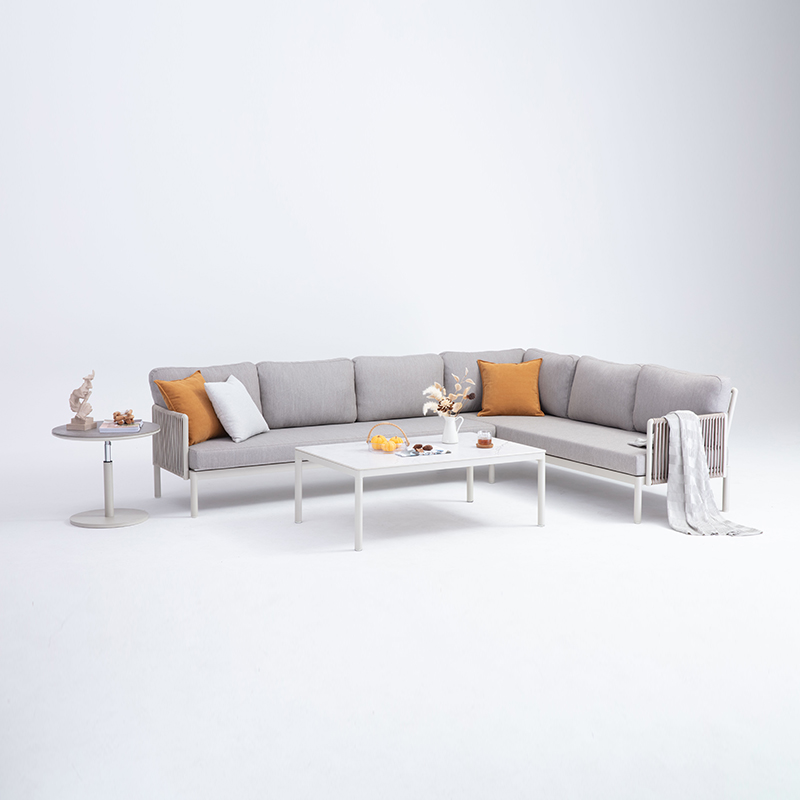
How to Check Outdoor Sofa Quality Before Buying
Before buying a weather resistant outdoor sofa, do not only look at photos. Check the details carefully.
First, check the frame. Ask what material is used, how thick the frame is, whether it is powder-coated, and whether the hardware is rust-resistant. Look at welding, joints, corners, and legs. A strong frame should not wobble.
Second, check the fabric. Ask whether it is UV-resistant, water-resistant, stain-resistant, and suitable for outdoor use. Ask about color fastness and cleaning instructions. If the fabric fades quickly, the outdoor sofa will look old even if the frame is still strong.
Third, check the cushions. Ask whether the sofa uses quick-dry foam or outdoor-grade foam. Check cushion thickness, firmness, and recovery. Good cushions should feel comfortable but should not collapse quickly.
Fourth, check the covers. Removable covers make cleaning easier. Zippers should be strong and smooth. Seams should be neat and reinforced.
Fifth, check the hardware. Screws, connectors, brackets, and feet should be suitable for outdoor use. Poor hardware can cause rust, instability, and early failure.
Sixth, check the supplier. A reliable outdoor sofa supplier should provide clear material specifications, maintenance guidance, customization options, replacement support, and after-sales service.
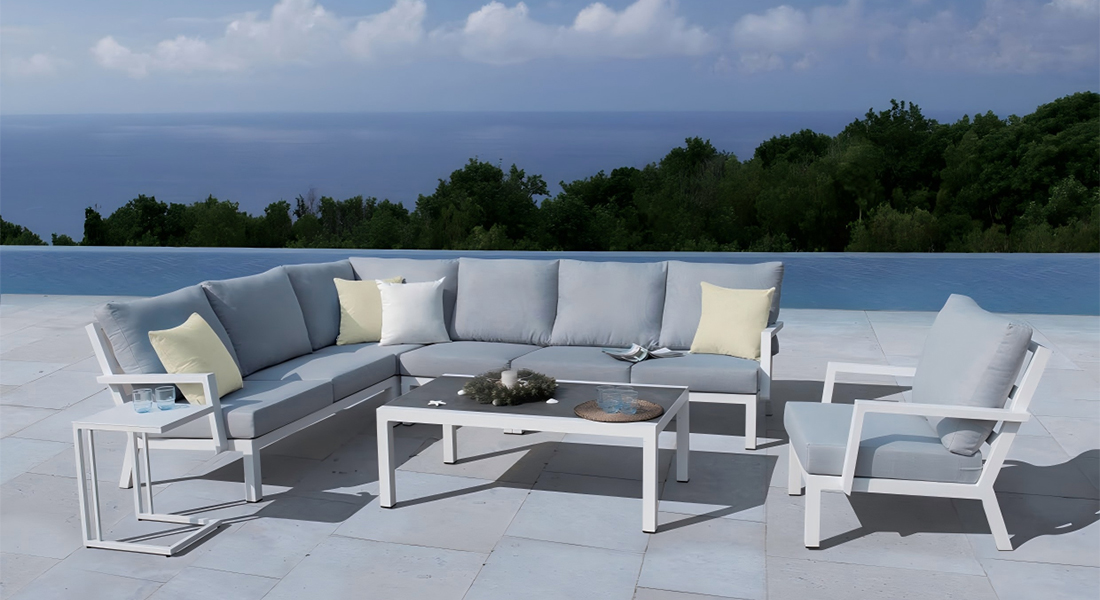
Maintenance Expectations Before Buying
Even the best weather resistant outdoor sofa needs maintenance. Weather resistance does not mean maintenance-free. Buyers should understand the care requirements before making a decision.
Some materials need very little care. Aluminum frames and many outdoor fabrics are easy to clean with mild soap and water. PE rattan can be brushed and wiped regularly. Quick-dry cushions need airflow and proper drying.
Other materials need more attention. Teak may need oiling or sealing if the buyer wants to maintain its original color. Stainless steel may need cleaning in coastal areas. Rope weaving should be cleaned gently and dried well.
Maintenance should match the buyer’s lifestyle or business operation. A homeowner may be willing to store cushions during bad weather. A restaurant may need furniture that staff can clean quickly every day. A hotel may need removable covers and replaceable cushions for long-term use.
Common Mistakes to Avoid
Many buyers make the same mistakes when choosing weather resistant outdoor sofas.
One common mistake is choosing only by appearance. A sofa may look beautiful in photos, but if the fabric, frame, and cushion materials are poor, it may not perform well outdoors.
Another mistake is ignoring climate. A sofa that works well in a dry balcony may not work beside a pool or near the sea. Local weather should guide the material selection.
A third mistake is buying cushions that absorb water. Cushions are one of the first parts to fail when they are not designed for outdoor use. Quick-dry foam and removable covers are important.
A fourth mistake is forgetting UV resistance. Sunlight can fade fabric and weaken materials. UV-resistant fabric is essential for sunny patios and commercial outdoor spaces.
A fifth mistake is choosing untreated steel in humid or coastal areas. Rust can appear quickly if the coating is poor or damaged.
A sixth mistake is buying an oversized sofa. A large outdoor sofa may look luxurious, but if it blocks movement or overwhelms the space, it will not create a comfortable layout.
A seventh mistake is not asking about replacement parts. Cushions, covers, and hardware may need replacement over time. A supplier that offers spare parts can provide better long-term value.
Weather Resistant Outdoor Sofa Buying Checklist
Use this checklist before making a purchase:
● Is the frame rust-resistant?
● Is the fabric UV-resistant?
● Are the cushions quick-dry or outdoor-grade?
● Are the cushion covers removable?
● Is the sofa suitable for the local climate?
● Is the size right for the space?
● Is the design suitable for the usage scenario?
● Is the sofa easy to clean?
● Are the hardware and connectors outdoor-grade?
● Is the sofa suitable for residential or commercial use?
● Does the supplier provide clear material details?
● Are replacement cushions or covers available?
● Does the manufacturer offer customization?
● Are maintenance instructions included?
● Does the outdoor sofa provide long-term value, not just a low price?
This checklist helps buyers compare products more clearly. A weather resistant outdoor sofa should meet both design and performance requirements.
Why Work with a Professional Outdoor Sofa Manufacturer?
Working with a professional outdoor sofa manufacturer can make the buying process easier and more reliable. A manufacturer understands how different materials perform in real outdoor environments. This is especially important for buyers who need products for hotels, resorts, restaurants, balconies, patios, gardens, poolside areas, or large commercial projects.
A professional manufacturer can recommend suitable frame materials, fabric options, cushion thickness, modular layouts, colors, and packaging methods. Buyers can also request OEM and ODM solutions to match their brand or project requirements.
Customization is valuable because every outdoor space is different. A balcony may need a compact outdoor sofa. A resort may need modular lounge seating. A restaurant may need stain-resistant cushions and durable frames. A hotel poolside area may need quick-dry foam and easy-clean materials.
A good manufacturer can help buyers balance comfort, durability, style, cost, and maintenance. This support reduces purchasing risk and improves long-term satisfaction.
Conclusion
Choosing weather resistant outdoor sofas means looking beyond style. The right outdoor sofa should match the climate, space, material needs, cushion structure, and daily usage.
Rust-resistant frames, UV-resistant fabrics, quick-dry cushions, removable covers, and easy-clean surfaces all help improve comfort and durability. For patios, gardens, balconies, hotels, resorts, restaurants, and poolside spaces, Alpha Garden Furniture turns these details into outdoor sofa solutions built for real weather, real use, and long-term outdoor value.
FAQs
1. What is the best material for a weather resistant outdoor sofa?
The best material depends on climate and usage. Aluminum is lightweight and rust-resistant, teak is natural and durable, PE rattan is stylish and practical, and stainless steel works well for premium modern designs. For cushions, quick-dry foam and outdoor fabric are highly recommended.
2. What fabric is best for outdoor sofas?
Solution-dyed acrylic, olefin, outdoor polyester, Textilene, and other performance fabrics are common choices. A good outdoor sofa fabric should resist UV rays, moisture, stains, mildew, and daily outdoor wear.
3. Are weather resistant outdoor sofas waterproof?
Most weather resistant outdoor sofas are water-resistant, not fully waterproof. They can handle outdoor conditions better than indoor furniture, but cushions should still be dried properly and protected during heavy rain or long periods of non-use.
4. How long do weather resistant outdoor sofas last?
The lifespan depends on material quality, climate, usage, cleaning, and maintenance. A high-quality outdoor sofa with a rust-resistant frame, outdoor fabric, quick-dry cushions, and proper care can last for many years.
5. How do I protect an outdoor sofa from rain and sun?
Use a breathable outdoor cover, choose UV-resistant fabric, select quick-dry cushions, clean the sofa regularly, and store cushions during severe weather. Proper placement, airflow, and maintenance can also help extend the life of the outdoor sofa.