- Home

How To Clean Outdoor Sofa: Complete Care And Maintenance Guide
Views: 0 Author: Site Editor Publish Time: 2026-05-02 Origin: Site


An outdoor sofa can make a patio, garden, balcony, resort, or restaurant terrace feel like a comfortable living room. But dust, rain, pollen, food spills, sunscreen, mold, and humidity can quickly make it look old without proper cleaning.
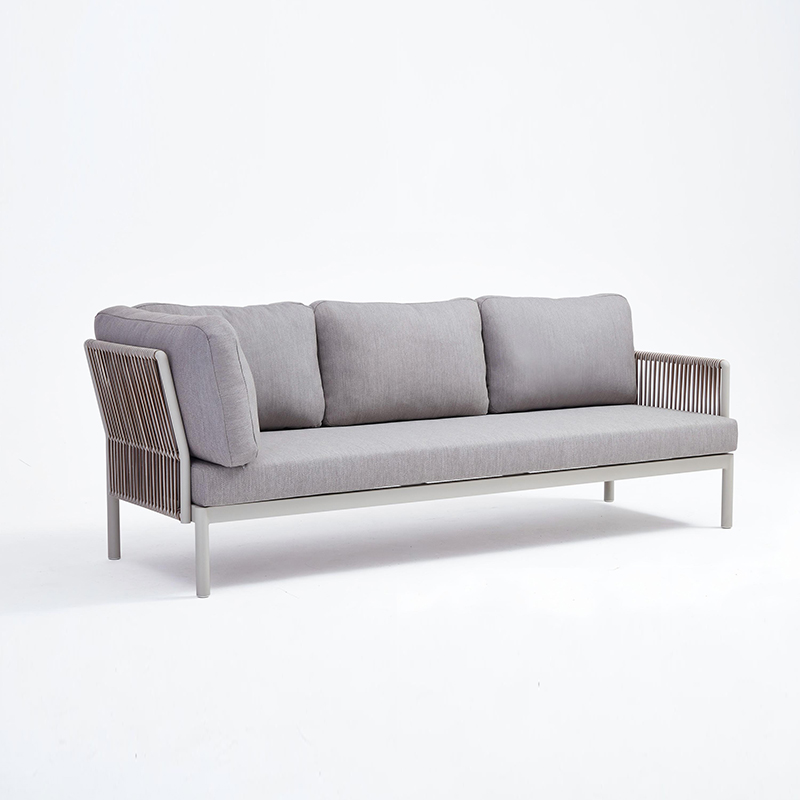
Regular cleaning protects the fabric, cushions, frame, and overall service life of the furniture. In this post, you’ll learn how to clean outdoor sofa materials, remove common stains, care for cushions, and keep your outdoor seating fresh for both home and commercial spaces.
Why Cleaning Your Outdoor Sofa Matters
Cleaning an outdoor sofa is not only about keeping it beautiful. It is also about protecting your investment. Unlike indoor furniture, an outdoor sofa is exposed to changing weather, strong sunlight, wind, dust, humidity, insects, leaves, and daily outdoor use.
If dirt stays on the surface for too long, it can become harder to remove. Pollen can settle into fabric. Food stains can attract insects. Moisture can encourage mold and mildew. Dust can collect inside PE rattan gaps, rope weaving, cushion seams, and frame joints. Over time, these small problems can reduce comfort and shorten the life of the outdoor sofa.
Regular cleaning helps prevent these issues before they become serious. It also keeps cushions fresh, prevents unpleasant odors, protects fabric color, reduces mildew risk, and makes the sofa more comfortable for family members, guests, hotel customers, or restaurant visitors.
For commercial spaces, cleaning is even more important. A dirty outdoor sofa can damage the customer experience. In hotels, resorts, restaurants, and cafes, outdoor furniture is part of the brand image. Clean, well-maintained seating makes the space feel more professional, welcoming, and reliable.
How Often Should You Clean an Outdoor Sofa?
The best cleaning schedule depends on climate, material, location, and usage frequency. A sofa on a covered balcony may need less cleaning than one near a pool or garden. A hotel outdoor sofa used every day needs more frequent care than a private patio sofa used only on weekends.
As a general rule, light cleaning should be done once a week or every two weeks. This includes removing dust, shaking cushions, wiping the frame, and checking for stains. Deep cleaning should be done once every season, especially before and after heavy-use periods.
If there is heavy rain, a storm, a garden party, pollen season, or food and drink spills, clean the sofa as soon as possible. Waiting too long can make stains more difficult to remove.
Cleaning Situation
Recommended Frequency
Main Cleaning Tasks
Light residential use
Every 1–2 weeks
Brush dust, wipe frame, shake cushions
Heavy residential use
Weekly
Vacuum cushions, clean stains, check covers
Hotels and resorts
Daily light cleaning, regular deep cleaning
Remove debris, wipe surfaces, inspect cushions
Restaurants and cafes
Daily or after service
Clean food stains, wipe frames, check fabric
Poolside areas
Several times per week
Remove moisture, sunscreen, chlorine marks
Seasonal deep cleaning
Every season
Wash covers, deep clean frames, dry cushions fully
A consistent cleaning schedule makes maintenance easier. It is always better to remove light dirt regularly than to wait until the outdoor sofa needs heavy restoration.
What You Need Before Cleaning an Outdoor Sofa
Before you clean an outdoor sofa, prepare the right tools. Using gentle cleaning tools is important because harsh chemicals or abrasive brushes may damage fabric, frame finishes, PE rattan, rope weaving, or wood surfaces.
Useful cleaning supplies include:
● Soft brush
● Microfiber cloth
● Sponge
● Bucket
● Mild soap or gentle detergent
● Warm water
● Garden hose
● Vacuum cleaner with brush attachment
● Baking soda for odor control
● White vinegar for mildew cleaning, if suitable for the material
● Outdoor fabric cleaner, if recommended by the manufacturer
● Protective gloves
● Breathable outdoor furniture cover
Avoid strong bleach, harsh solvents, steel wool, rough scrubbing pads, and high-pressure washing unless the manufacturer clearly says they are safe. Many outdoor sofa materials are durable, but they still need gentle care to preserve their finish and structure.
Step-by-Step Guide: How to Clean Outdoor Sofa
Learning how to clean outdoor sofa materials correctly starts with a simple process. The goal is to remove loose dirt first, clean gently, rinse properly, and dry completely.
Step 1: Remove Cushions, Pillows, and Accessories
Start by removing all cushions, pillows, throws, and decorative accessories. This makes it easier to clean the sofa frame and check hidden areas.
Shake the cushions outdoors to remove loose dust, leaves, crumbs, and pollen. If the cushion covers are removable, check the care label before washing. Some outdoor cushion covers can be machine washed, while others should only be hand washed or spot cleaned.
Also check zippers, seams, and cushion corners. Dirt often collects in these areas, especially after outdoor dining, windy weather, or garden use.
Step 2: Brush or Vacuum Loose Dirt
Before adding water, remove dry dirt first. Use a soft brush or a vacuum cleaner with a brush attachment. This step is important because if dry dust mixes with water, it can turn into mud and spread across the fabric or frame.
For PE rattan, rope weaving, or textured frames, brush carefully between gaps. For fabric cushions, vacuum the surface, seams, and edges. For wooden or metal frames, wipe away dust before washing.
This simple dry-cleaning step makes the rest of the process easier and helps avoid unnecessary scrubbing.
Step 3: Prepare a Mild Cleaning Solution
Mix warm water with a small amount of mild soap or gentle detergent. The solution should be light, not overly soapy. Too much soap can leave residue on fabric and attract more dirt later.
For most outdoor sofa cleaning, mild soap and water are enough. If there is mildew, you may use a diluted vinegar solution if the material allows it. Always test any cleaner on a hidden area first, especially on colored fabric, coated metal, wood, or rope.
Do not use harsh chemicals without checking material compatibility. Strong cleaners may damage outdoor fabric coatings, fade colors, weaken fibers, or harm the protective finish on aluminum, steel, rattan, or wood.
Step 4: Clean the Sofa Frame
Use a damp cloth or sponge to wipe the outdoor sofa frame. For textured surfaces, use a soft brush. Clean all visible areas, including arms, legs, corners, joints, and the underside if possible.
If the sofa has an aluminum frame, mild soap and water are usually enough. If it has PE rattan, clean between the woven gaps carefully. If it has wood, avoid soaking the surface. If it has rope details, clean gently along the direction of the rope.
After cleaning, rinse with clean water. A garden hose can be used gently, but avoid strong pressure. Finally, dry the frame with a soft cloth to reduce water spots and prevent moisture from sitting in joints.
Step 5: Clean the Cushions
Outdoor sofa cushions need careful cleaning because they are exposed to body oils, sweat, sunscreen, rain, dust, food, and drinks. Start with spot cleaning. Apply mild soap solution to the stained area and blot gently with a sponge or cloth.
Do not rub too aggressively. Strong rubbing can push stains deeper into the fabric or damage the surface. After spot cleaning, rinse the area with clean water to remove soap residue.
If the whole cushion needs cleaning, wash the surface gently with mild soap and water. Make sure the cushion is not over-soaked unless it is made with quick-dry foam and designed for water drainage.
Step 6: Wash Removable Cushion Covers
If your outdoor sofa has removable cushion covers, cleaning becomes much easier. Remove the covers and check the washing label. If machine washing is allowed, use mild detergent and cold or warm water. Avoid high heat because it may shrink or damage the fabric.
If machine washing is not recommended, hand wash the covers with mild soap and water. Rinse thoroughly and air dry completely before putting them back on the cushions.
Never reinstall damp covers. Moisture trapped between the cover and foam can create mold, mildew, and odor.
Step 7: Rinse and Dry Completely
Proper drying is one of the most important steps in outdoor sofa cleaning. Soap residue can attract dirt, so rinse carefully. After rinsing, place cushions upright so air can circulate around them.
Dry the outdoor sofa in a sunny, well-ventilated area if possible. Good airflow helps prevent mildew. Do not cover the sofa immediately after washing. Wait until the frame, fabric, cushions, seams, and hidden areas are completely dry.
For commercial spaces, drying time should be included in the cleaning schedule. A hotel or restaurant should avoid returning damp cushions to guest areas because they may feel uncomfortable and develop odor.
How to Clean Different Outdoor Sofa Materials
Different outdoor sofa materials need different cleaning methods. Using the wrong method may damage the furniture, so it is important to understand the material before cleaning.
Material
Best Cleaning Method
What to Avoid
Powder-coated aluminum
Mild soap, water, soft cloth
Abrasive pads, deep scratches
PE rattan
Soft brush, mild soap, gentle rinse
Pressure washers, harsh scrubbing
Teak or wood
Mild soap, soft brush, proper drying
Standing water, harsh chemicals
Stainless steel
Gentle detergent, rinse, dry immediately
Chloride cleaners, rough pads
Rope weaving
Mild soap, light brushing, air drying
Aggressive scrubbing, high pressure
Outdoor fabric
Vacuum, spot clean, mild soap
Bleach unless fabric-safe
Quick-dry foam
Gentle rinse, upright drying
Storing while damp
How to Clean Aluminum Outdoor Sofa Frames
Aluminum is popular for outdoor sofa frames because it is lightweight, rust-resistant, and easy to clean. To clean aluminum, wipe it with mild soap and water using a soft cloth or sponge. Rinse with clean water and dry with a cloth.
If the aluminum frame has powder coating, avoid abrasive pads because they can scratch the surface. Scratches may affect appearance and reduce long-term protection. Check screws and joints regularly, especially in commercial areas where the sofa is moved often.
How to Clean PE Rattan Outdoor Sofa
PE rattan is widely used for outdoor sofa designs because it has a relaxed, stylish look and works well in gardens, patios, balconies, and resorts. To clean PE rattan, use a soft brush to remove dust from the weaving gaps.
Then wipe with mild soap and water. Rinse gently with a garden hose, but do not use a high-pressure washer. Strong pressure may loosen the weaving or damage the surface.
After rinsing, dry the sofa in a well-ventilated area. Check the gaps carefully because water can stay inside woven areas if airflow is poor.
How to Clean Teak or Wooden Outdoor Sofa
Wooden outdoor sofa frames require more careful maintenance. Start by brushing away dust and loose dirt. Clean the wood with mild soap and water, then wipe with a damp cloth.
Avoid soaking wooden furniture. Standing water can cause swelling, cracking, staining, or surface damage over time. After cleaning, dry the wood completely.
Teak naturally weathers over time and may turn silver-gray if untreated. Some buyers like this look. Others prefer to maintain the original warm color with teak oil or wood sealant. Always follow the manufacturer’s recommendations before applying oil or sealant.
How to Clean Stainless Steel or Metal Outdoor Sofa
Stainless steel and other metal frames should be cleaned with mild detergent and water. After rinsing, dry the surface immediately to reduce water marks.
Check for rust spots, scratches, and damaged coating. If the sofa is used near the sea or swimming pool, clean it more often because salt and chlorine can affect metal surfaces.
Do not use chloride-based cleaners or abrasive tools unless they are suitable for the metal. Proper cleaning helps maintain shine, strength, and corrosion resistance.
How to Clean Rope Outdoor Sofa
Rope outdoor sofa designs are popular because they look modern, soft, and decorative. However, rope needs gentle cleaning. Brush away dust first, then use mild soap and water.
Clean along the direction of the rope and avoid pulling or scrubbing too hard. Rinse lightly and allow the rope to dry completely. Poor drying can lead to odor or mildew, especially in humid climates.
For commercial spaces, inspect rope regularly to make sure it remains tight, clean, and safe for guests.
How to Clean Outdoor Sofa Cushions
Cushions are usually the most used part of an outdoor sofa. They also collect the most dirt. Regular cushion cleaning keeps the sofa comfortable and fresh.
For weekly care, shake cushions and vacuum the fabric. Remove leaves, dust, crumbs, and pollen. Spot clean small stains immediately. The faster you treat stains, the easier they are to remove.
For deep cleaning, remove cushion covers if possible. Wash covers according to the care label. If the cushion insert can be cleaned, use mild soap and water. If the insert is not washable, avoid soaking it.
Quick-dry foam is easier to maintain because it allows water to drain faster. After cleaning, stand cushions upright to improve airflow. Make sure they are completely dry before placing them back on the sofa.
How to Remove Common Outdoor Sofa Stains
Outdoor sofa stains come from many sources. The best method depends on the stain type and material.
For food and drink stains, blot the stain immediately. Do not rub hard. Use mild soap and warm water, rinse well, and air dry.
For sunscreen stains, use a gentle detergent solution. Sunscreen can leave oily marks, so early cleaning is important.
For mold and mildew, brush off loose mildew outdoors first. Then clean the area with mild soap or a diluted vinegar solution if suitable for the fabric. Rinse thoroughly and dry in sunlight and airflow.
For bird droppings, remove solid material gently with a soft tool. Clean the area with soap and water. Rinse and dry completely.
For pollen, shake or vacuum cushions regularly. Pollen can stain some fabrics if it becomes wet, so remove it before rain whenever possible.
For oil and grease stains, blot quickly with a dry cloth. Apply mild detergent and clean gently. Repeat if needed. Avoid strong solvents unless recommended by the manufacturer.
Cleaning Mistakes to Avoid
One of the most common mistakes is using bleach without checking the fabric label. Bleach may damage fabric color, weaken fibers, or affect protective coatings.
Another mistake is using a pressure washer on cushions, PE rattan, rope, or delicate finishes. A pressure washer may seem efficient, but it can damage weaving, push water deep into cushions, or remove protective coatings.
A third mistake is putting cushions back before they are fully dry. Damp cushions can lead to mold, mildew, and odor.
Other mistakes include using non-breathable plastic covers for long periods, ignoring hidden frame joints, scrubbing too aggressively, and leaving stains untreated for too long.
Outdoor Sofa Maintenance Tips After Cleaning
After cleaning, proper maintenance helps keep the outdoor sofa looking good for longer.
Use a breathable outdoor furniture cover when the sofa is not in use. A good cover protects against dust, rain, sunlight, leaves, and bird droppings. Breathable covers are better than cheap plastic sheets because they reduce trapped moisture.
Store cushions during heavy rain, storms, snow, or long periods of non-use. If indoor storage is not available, use a dry storage box. Always make sure cushions are dry before storage.
Keep the sofa in a well-ventilated area. Good airflow reduces mildew risk. Avoid placing the sofa directly on wet grass, muddy ground, or areas with poor drainage.
Clean spills immediately. Fast cleaning prevents deep staining. Blot instead of rubbing, and use gentle cleaning products.
Inspect the sofa regularly. Check frames, screws, weaving, cushion seams, zippers, and fabric surfaces. Small problems are easier and cheaper to fix early.
Seasonal Outdoor Sofa Cleaning Guide
Seasonal care helps protect the outdoor sofa throughout the year.
In spring, remove dust from storage, wash cushion covers, clean the frame, and check for mildew or insects. This prepares the sofa for outdoor use.
In summer, clean more frequently because the sofa may be used often. Watch for sweat, sunscreen, food stains, drink spills, pollen, and strong sunlight. Shake cushions weekly and wipe frames regularly.
In autumn, remove fallen leaves and moisture. Leaves can stain fabric and trap dampness. Clean the sofa before long-term storage.
In winter, store cushions indoors if possible. Cover the sofa with a breathable cover. Keep furniture away from standing water, snow, and ice. For commercial projects in warm climates, continue regular cleaning because outdoor seating may still be used year-round.
How to Keep an Outdoor Sofa Looking New for Longer
The easiest outdoor sofa to clean is the one designed with maintenance in mind. Material selection matters from the beginning.
Choose weather-resistant fabric for cushions. Outdoor fabrics are designed to resist moisture, fading, and stains better than indoor fabrics. Removable cushion covers make cleaning much easier.
Choose quick-dry foam if the sofa will be used in humid, rainy, poolside, or commercial environments. Quick-dry foam helps water drain faster and reduces mildew risk.
Choose frames that match the environment. Aluminum is good for easy cleaning and rust resistance. PE rattan offers a relaxed style and can be cleaned with a soft brush. Teak is strong and natural but needs occasional maintenance. Rope weaving looks modern but requires gentle care.
Use covers, store cushions when necessary, and clean regularly instead of waiting for heavy dirt buildup. These simple habits can keep an outdoor sofa attractive and comfortable for years.
Outdoor Sofa Cleaning for Commercial Spaces
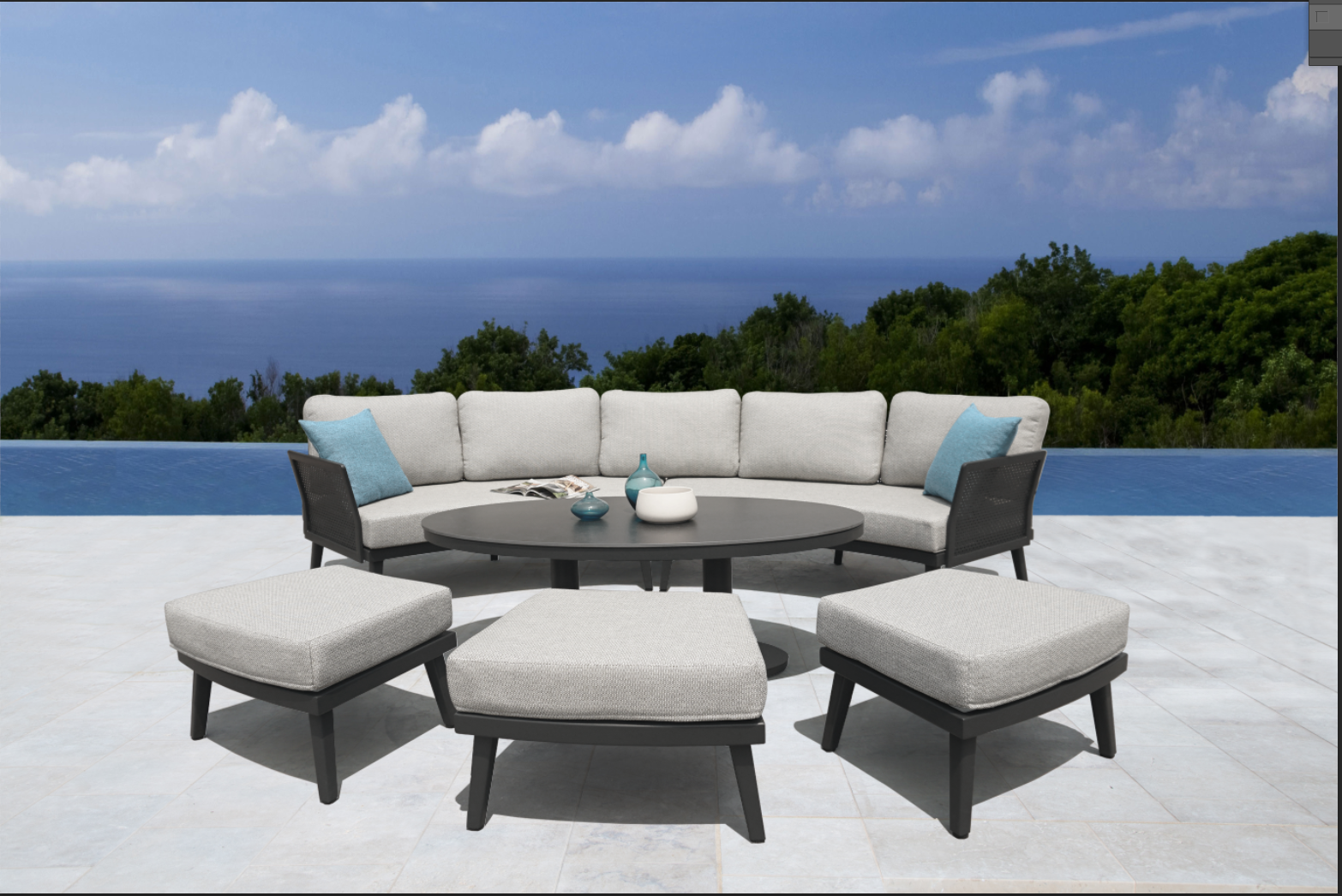
Hotels, resorts, restaurants, cafes, rooftop bars, poolside lounges, and commercial gardens need a more organized cleaning plan than private homes. In these environments, outdoor sofa cleaning affects guest comfort, hygiene, and brand image.
Daily light cleaning is recommended for high-use areas. Staff should remove dust, food crumbs, leaves, and visible stains. Cushions should be arranged neatly and checked for moisture or odor.
Regular deep cleaning should be scheduled based on usage and climate. Poolside sofas may need more frequent cleaning because of sunscreen, chlorine, and wet swimwear. Restaurant sofas may need more stain control because of food and drinks.
Commercial buyers should choose easy-clean outdoor sofa designs. Useful features include removable cushion covers, durable outdoor fabric, quick-dry foam, powder-coated frames, replaceable parts, and modular structures. These features reduce maintenance time and improve long-term value.
For large projects, working with a professional outdoor sofa manufacturer can help buyers choose the right material combination for local climate, cleaning requirements, and customer usage patterns.
When Should You Replace Outdoor Sofa Cushions or Covers?
Even with proper cleaning, cushions and covers do not last forever. You may need replacement when the fabric is faded, torn, permanently stained, or no longer suitable for the space.
Replace cushions if the foam loses shape, feels uncomfortable, stays wet too long, or has a mold smell that does not disappear after cleaning. Replace covers if zippers fail, seams open, or stains cannot be removed.
For commercial spaces, replacement should happen earlier than in private homes because appearance directly affects customer perception. A clean frame with old, damaged cushions still makes the outdoor sofa look poorly maintained.
Choosing a sofa with replaceable cushion covers and modular parts can reduce long-term replacement costs.
Why Choosing a High-Quality Outdoor Sofa Makes Cleaning Easier
A high-quality outdoor sofa is easier to clean because it is designed for outdoor conditions from the beginning. Weather-resistant fabric reduces stains and fading. Quick-dry foam helps prevent moisture problems. Powder-coated aluminum frames resist rust and are easy to wipe. PE rattan and rope designs can be cleaned effectively when made with durable materials.
Good design also matters. Removable cushion covers, accessible frame gaps, stable legs, and replaceable parts all make cleaning and maintenance easier.
For homeowners, this means less work and better long-term comfort. For hotels, resorts, restaurants, and commercial buyers, it means lower maintenance pressure, better guest experience, and stronger return on investment.
A professional outdoor sofa manufacturer can provide customized materials, frame colors, cushion thicknesses, fabric options, modular layouts, and OEM/ODM solutions. This helps buyers choose products that are not only beautiful but also easier to clean and maintain in real outdoor environments.
Conclusion
Learning how to clean outdoor sofa materials correctly helps protect comfort, appearance, and durability. In most cases, the best method is simple: remove loose dirt, clean gently with mild soap and water, rinse well, and dry completely.
For long-term care, clean frames and cushions according to their materials, use breathable covers, store cushions during bad weather, and inspect the sofa regularly. For patios, gardens, balconies, hotels, resorts, restaurants, and commercial outdoor spaces, choosing an easy-clean outdoor sofa from Alpha Garden Furniture can reduce maintenance work and deliver better long-term value.
FAQs
1. What is the best way to clean an outdoor sofa?
The best way to clean an outdoor sofa is to remove loose dirt first, wash the frame and cushions with mild soap and water, rinse thoroughly, and let everything dry completely before use. Always check the care label or manufacturer’s instructions before using any cleaner.
2. Can I pressure wash an outdoor sofa?
In most cases, pressure washing is not recommended for cushions, PE rattan, rope, or delicate finishes. Strong water pressure can damage fabric, loosen weaving, scratch coatings, or push water deep into cushions. Gentle rinsing with a garden hose is usually safer.
3. How do I remove mold from outdoor sofa cushions?
Brush off loose mold outdoors first. Then clean the affected area with mild soap and water or a diluted vinegar solution if the fabric allows it. Rinse well and dry the cushions completely in sunlight and airflow. Do not store or reuse cushions while they are still damp.
4. How often should I clean my outdoor sofa?
For residential use, light cleaning once a week or every two weeks is usually enough. Deep cleaning once every season is recommended. Hotels, resorts, restaurants, cafes, and poolside areas may need daily light cleaning and more frequent deep cleaning.
5. How can I keep my outdoor sofa clean for longer?
Use a breathable furniture cover, clean spills immediately, store cushions during heavy rain, keep the sofa in a ventilated area, and choose weather-resistant materials such as outdoor fabric, aluminum frames, PE rattan, removable covers, and quick-dry foam.