

- Home
loading
Paris Dining Chair
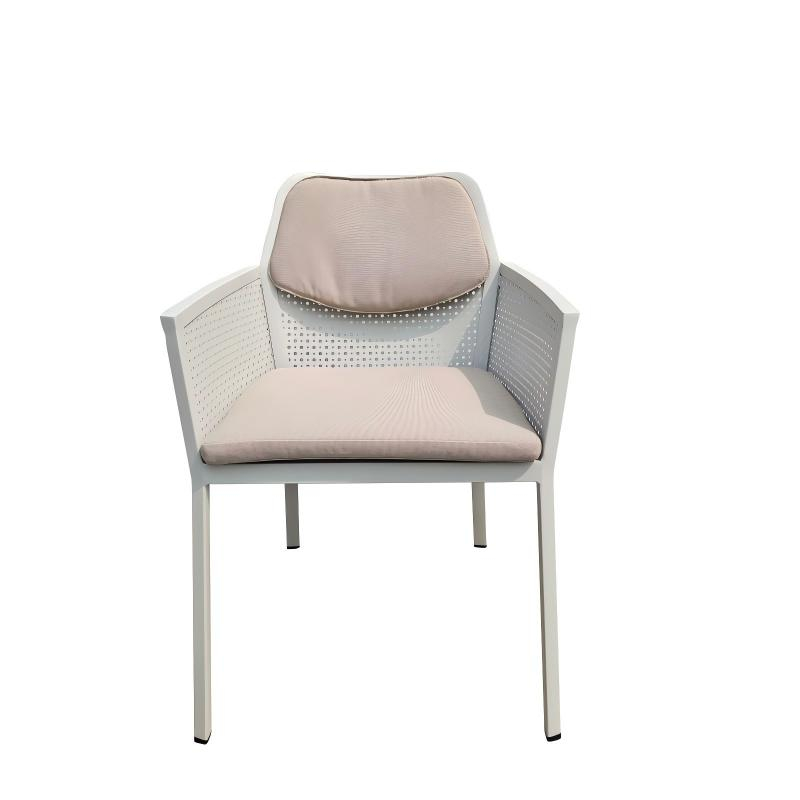
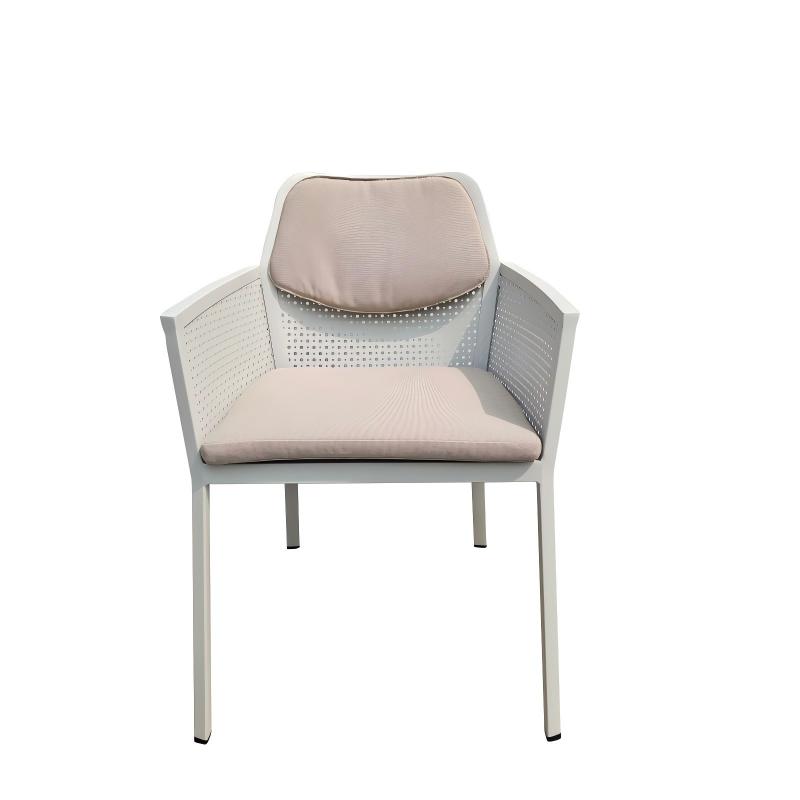
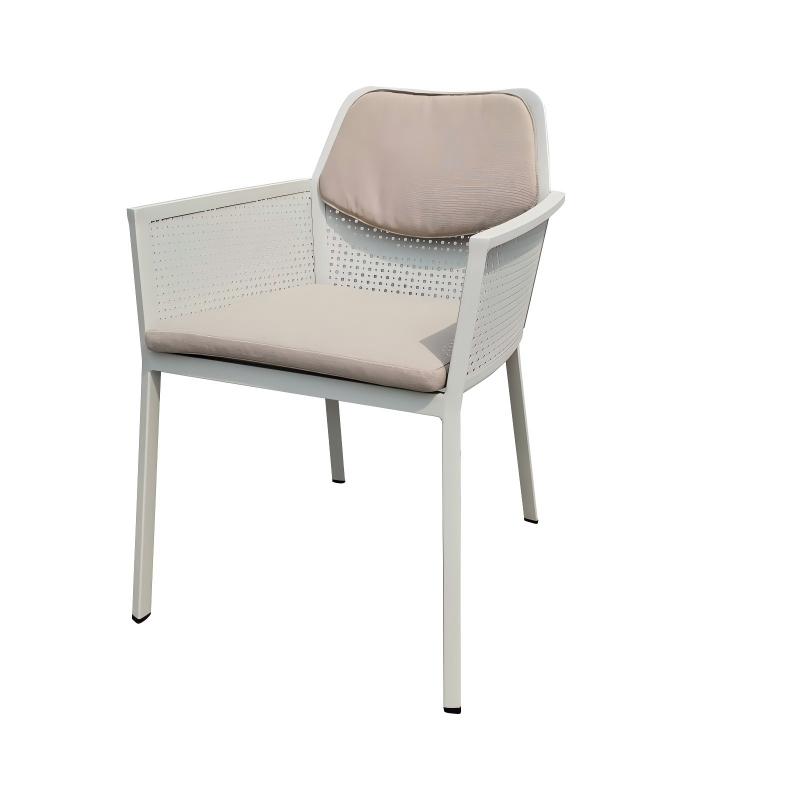
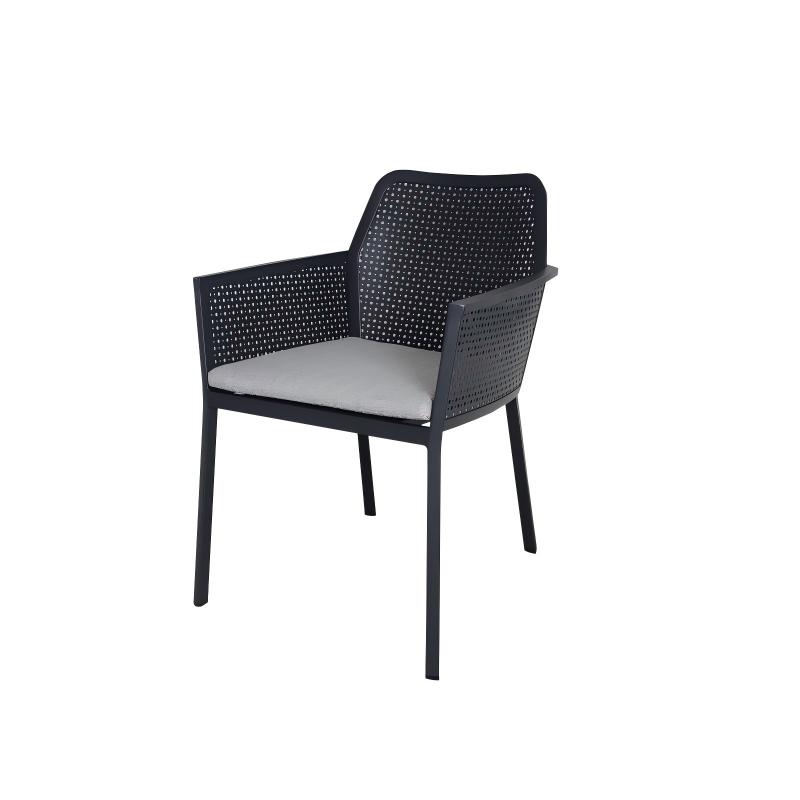
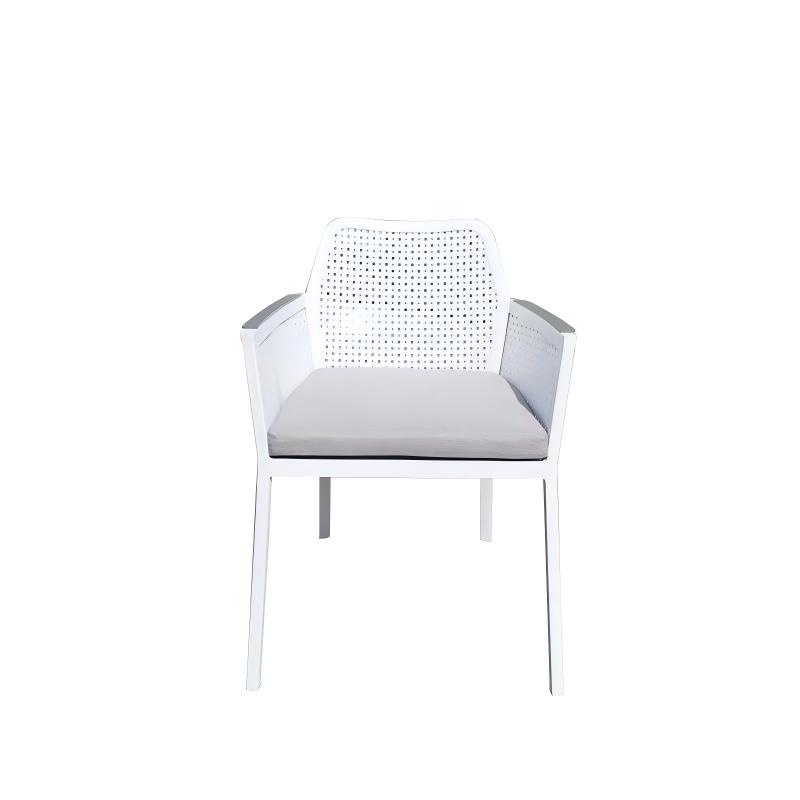
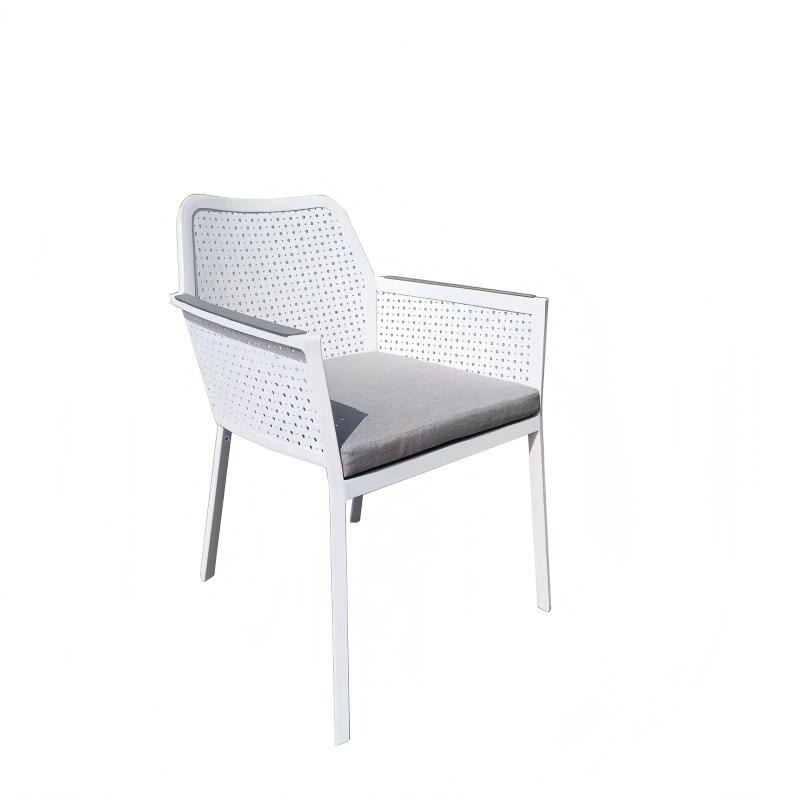
Developed by an experienced outdoor furniture manufacturer, the Paris Dining Chair brings a refined café-inspired silhouette into contemporary exterior and semi-open dining spaces. Its clean aluminum structure, perforated back and side panels, and optional armrest finishes create a chair that feels light in visual weight yet composed in use. The overall impression is neat, breathable, and quietly elegant, making it suitable for projects that need reliable seating with a more distinctive design identity.
Modern Paris-inspired dining chair with a soft architectural outline
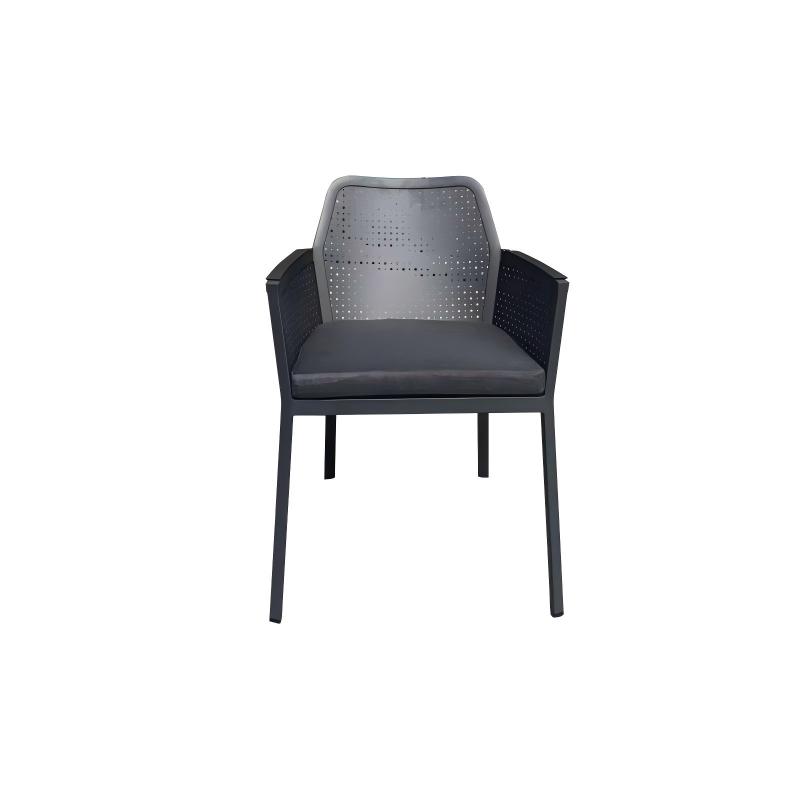
Perforated aluminum back and side panels for an airy, visually lighter look
Optional armrest finishes in teak, plastic wood, or aluminum block
Suitable for courtyard, terrace, western restaurants, hotels, and company parksAvailability: Quantity: 


 Product Description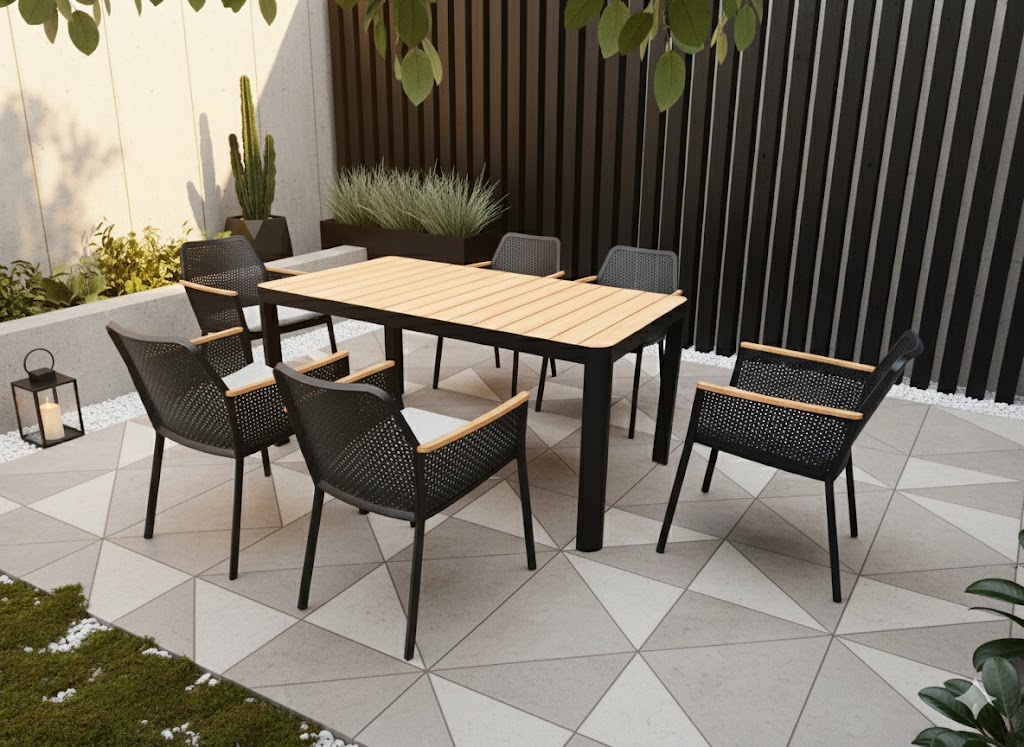
 Product Description
Product Description
The Paris Dining Chair is designed for spaces where dining furniture must do more than simply provide a seat. It has to shape atmosphere, support repeated use, and still look composed when viewed across a terrace, through a restaurant frontage, or within a carefully planned hospitality layout. This chair answers that need with a modern interpretation of Paris café character. Rather than relying on traditional weaving or decorative excess, it uses a crisp aluminum structure and a perforated panel design to create a lighter, cleaner visual rhythm. The result is a chair that feels open and breathable, with enough personality to stand out, yet enough restraint to work within a coordinated furniture scheme.
What makes this design especially effective is the way comfort and structure are balanced. The backrest and side panels wrap the user with a gentle sense of enclosure, giving the chair a welcoming posture instead of a stiff one. The original product description compares the feeling to a child opening its arms, and that image captures the chair’s emotional quality well: it is inviting without being oversized. The thin rectangular seat cushion softens the seat plane, while the optional round back cushion adds a more relaxed touch and improves comfort for longer sitting periods. Together, these elements create a chair that feels visually disciplined but still warm in use.
From a project perspective, the Paris Dining Chair solves several practical challenges at once. It offers a more distinctive alternative to generic outdoor seating, helps unify dining areas with a stronger design signature, and supports a broad range of settings from restaurant terraces to hotel outdoor zones. Its matte-finish color options in black, beige, or white allow it to sit naturally alongside stone, tile, decking, planting, glass, and metal surfaces. This makes it easier to build a coherent dining environment without forcing the buyer to compromise between appearance, usability, and long-term relevance.
Product Specifications
Item Details Product Name Paris Dining Chair Model Number 2209-C Size 58.5W × 62.5D × 81H Main Structure Metal frame Backrest and Side Panels Perforated aluminum plate with small circular hole pattern Finish Options Black matte, beige matte, or white matte Armrest Options Teak, plastic wood, or original aluminum block armrests Seat Cushion Thin rectangular seat cushion Optional Cushion Matching soft round cushion for the upper backrest Design Character Modern, clean, minimalist, embracing side profile Product Uses Courtyard, Terrace, Western restaurants, Hotels, Company parks Key Features & Highlights
The Paris Dining Chair stands out because it does not try to imitate every other outdoor dining seat on the market. Its value comes from a stronger visual identity, a more considered seating shape, and details that help the chair support both design goals and daily use. For buyers who care about how furniture performs in real spaces, these qualities make a noticeable difference.
Distinctive perforated aluminum detailing
The circular perforation pattern gives the chair a breathable visual texture. It breaks up the solidness of the frame and helps the chair look lighter, cleaner, and more refined from different viewing angles.Gentle wraparound sitting feel
The backrest and side structure create a subtle sense of enclosure, which makes the chair feel more welcoming than a simple flat-back dining chair.Flexible armrest expression
Teak, plastic wood, or aluminum block armrest options allow the chair to match warmer natural schemes or cooler contemporary settings.Matte color versatility
Black, beige, and white matte finishes make the chair easier to integrate into restaurant terraces, hotel courtyards, and landscaped business environments.Cushion-ready comfort
The seat cushion and optional round back cushion provide a more complete sitting experience for longer meals or slower-paced outdoor hospitality use.Balanced design presence
The chair feels modern without looking cold, and decorative without becoming busy, which supports longer design life across changing style directions.
Design Language and Paris-Inspired Character
One of the strongest common dimensions across the Paris chair category is that buyers are rarely looking only for a chair. They are looking for a mood: terrace elegance, café familiarity, relaxed sophistication, and a dining space that feels more memorable. The Paris Dining Chair translates that atmosphere into a cleaner, more contemporary form. Instead of traditional woven bistro language, it uses geometric perforation and a restrained frame to create a fresher interpretation of Paris dining style.
Café identity without visual noise
The chair carries a clear French dining reference, but it does so through proportion and silhouette rather than ornate decoration.Modern reinterpretation of an iconic style
Many Paris-style chairs rely on woven rattan aesthetics. This version keeps the spirit of lightness and charm, but expresses it through aluminum and perforated panels.Stronger spatial character
In a terrace or restaurant setting, chairs are rarely seen one by one. They are seen in rows, groups, and perspective. This design performs well at that scale because it keeps a consistent, recognizable outline.More polished project image
A dining area furnished with chairs that have a coherent design language usually looks more deliberate, more premium, and easier to photograph.Enduring style value
Because the look is restrained and architectural, it is less likely to feel dated than chairs that depend heavily on short-lived decorative trends.
Materials, Finish, and Craftsmanship
Material choice defines not only durability but also the way a chair is perceived at first sight and first touch. In this product, the aluminum structure gives the chair a clean, dry, orderly presence. The perforated panels add texture without heaviness, and the matte finishes keep the surface appearance controlled under natural light. This combination makes the chair suitable for outdoor dining areas that need furniture to feel composed from morning service through evening use.
Aluminum-based construction
Aluminum supports a cleaner structural expression and helps the chair maintain a lighter visual profile than bulkier alternatives.Perforated panel craftsmanship
The repeated circular hole pattern creates an even, intentional surface language. Up close, it gives the chair a technical precision that feels more considered than plain sheet surfaces.Matte finish appearance
Matte black, beige, and white reduce glare and create a softer, more settled look in open-air environments.Touchpoint flexibility through armrests
Teak armrests bring natural warmth and a smoother organic touch. Plastic wood provides a similar visual warmth with a more uniform expression. Aluminum armrests preserve a fully contemporary look.Cushion integration
The seat cushion and optional back cushion prevent the chair from feeling austere, adding softness where the body expects it most.Craft-minded consistency
The chair reads as a complete design object rather than a frame with added parts, which improves its credibility in professional dining settings.
Comfort, Practicality, and Everyday Use
Dining chairs are judged quickly. Guests notice whether the seat feels welcoming, whether the arm position is natural, whether the back offers enough support, and whether the chair still looks neat after repeated use across the day. The Paris Dining Chair addresses these points with a shape that is structured but not rigid. The side panels visually extend the backrest, giving the chair a more embracing posture and helping the user feel contained rather than exposed.
Better perceived comfort through form
Even before someone sits down, the open-armed profile suggests ease and welcome.Seat softness where it matters
The thin rectangular seat cushion adds comfort without making the chair appear overly padded or heavy.Optional extra support
The matching round back cushion gives the upper back area a softer contact point, especially useful in slower dining environments.Breathable visual construction
The perforated back and side panels help the chair appear less dense, which is especially valuable in outdoor areas where visual lightness improves the whole atmosphere.Straightforward maintenance logic
A simpler structural language usually supports easier day-to-day care than highly ornamented seating.Works well in repeated layouts
When used in multiples, the chair keeps a clean rhythm across tables, which helps the entire dining area feel orderly.
Application Scenarios
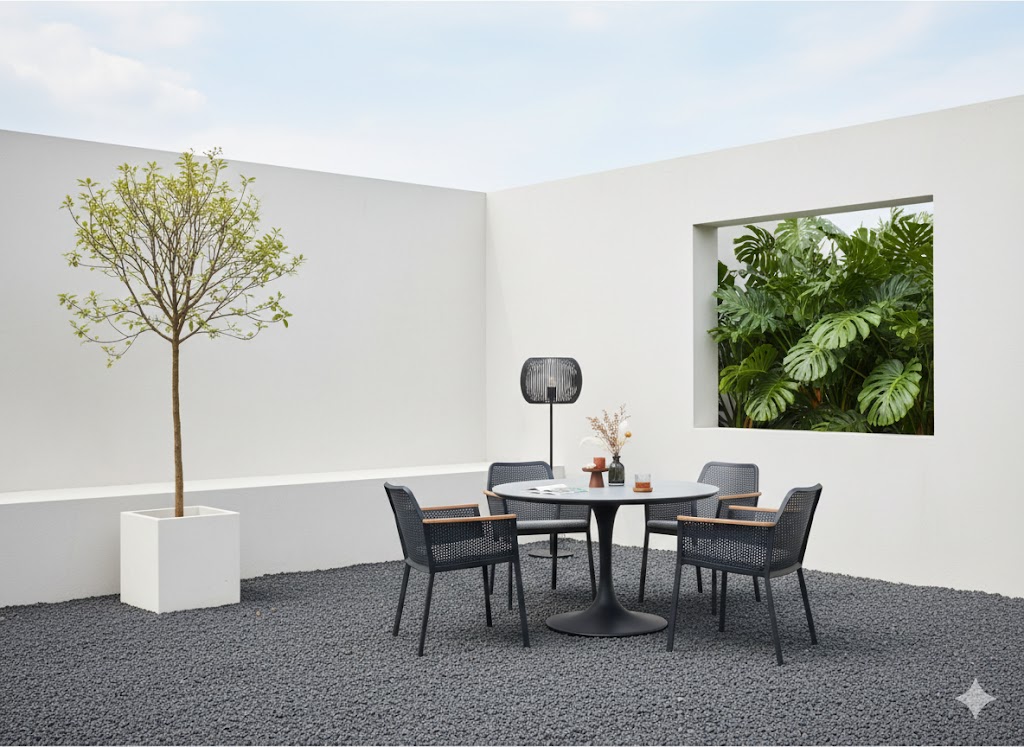
Competitor pages in this category repeatedly emphasize café, terrace, garden, restaurant, and hospitality use because Paris-style dining chairs are selected as much for atmosphere as for seating function. This chair is particularly effective in environments that need to feel relaxed, polished, and intentionally curated. Its design gives buyers a useful middle ground between decorative outdoor café furniture and plain contract-style seating.
Courtyard dining areas
The chair helps create a lighter, more inviting eating space without making the setting feel crowded.Terrace layouts
Its silhouette reads clearly in open-air arrangements, where furniture needs to hold visual presence against wider surroundings.Western restaurants
The Paris-inspired form works especially well in spaces that value ambiance, visible detail, and a stronger dining identity.Hotel outdoor seating
The chair suits guest-facing zones where comfort and presentation both influence the experience.Company parks and campus settings
It adds more style and composure to shared outdoor dining or break areas, improving the overall impression of the space.Semi-open commercial dining
The chair also fits transitional areas such as covered patios, café frontage seating, and sheltered outdoor extensions.
Customization and Project Matching
A dining chair becomes far more useful when it can be aligned with the design logic of the site rather than forced into it. Across the competitor set, one clear common dimension is finish flexibility. Buyers need chairs that can match stone flooring, timber decking, soft neutral façades, darker metal frames, or warmer hospitality palettes. The Paris Dining Chair answers that need through finish and armrest variation instead of relying on one fixed look.
Three matte finish directions
Black brings a sharper architectural tone, beige creates a softer hospitality mood, and white feels lighter and brighter in sunny outdoor settings.Armrest material options
Teak suits natural, premium, and resort-style environments. Plastic wood can support more uniform project matching. Aluminum keeps the look crisp and contemporary.Cushion configuration flexibility
The base seat cushion supports clean everyday use, while the added round back cushion creates a more relaxed and layered seating expression.Easier palette coordination
Neutral finishes make it simpler to pair the chair with round café tables, stone tops, wood tables, parasols, planting, and facade materials.Useful for different positioning levels
The same chair family can support more minimal layouts or more comfort-led arrangements depending on how the cushions and finishes are specified.

Contact Us
Phone : +86-15820672817 ; +86-757-86865423 Email : victor@alphagarden.cn; info@alphagarden.cn
Add : 4/F-2, Factory building A4, 1 Sanmen Chenzhai Industrial Estate, Taiping, Xiqiao, Nanhai, Foshan, Guangdong, 528200 ChinaQuick Links
About Us


