- Home

What Is An Outdoor Dining Set For Modern Patio Living?
Views: 0 Author: Site Editor Publish Time: 2026-06-15 Origin: Site


The shift from temporary seasonal seating to permanent, architecturally aligned outdoor living spaces is transforming modern homes. We no longer treat the backyard as a functional afterthought. Instead, we design these areas as true extensions of our interior spaces. Buyers often prioritize aesthetics over climate compatibility. This mistake leads to premature fading, rust, or complete structural failure after just one harsh season. Without understanding material science, you risk buying beautiful pieces bound to degrade under sun and rain. A reliable outdoor dining set must balance indoor-quality comfort with rigorous, weather-resistant engineering. In this guide, we explore how to evaluate materials, optimize your spatial layout, and select seating built to endure. You will learn the specific criteria needed to make a smart, lasting investment for your patio.
Key Takeaways
Material Dictates Lifespan: The choice between powder-coated aluminum, teak, and synthetic wicker determines both longevity and annual maintenance overhead.
Spatial Math matters: A functional layout requires factoring in a strict 36-inch minimum clearance around the table for chair mobility.
Fabric and Cushioning: High-performance acrylics and quick-dry foam are non-negotiable for low-maintenance, mold-resistant seating.
Hidden Ownership Costs: The total cost of ownership includes winterization covers, seasonal sealing (for woods), and rust-prevention for hardware.
The Evolution of Patio Dining Furniture in Modern Spaces
Modern homeowners view their exterior spaces differently today. The primary lifestyle objective is extending the indoor living area outwards. We want to host dinners under the stars without sacrificing design integrity. You expect the same level of sophistication on your deck as you do in your dining room. This shift drives the evolution of modern exterior decor.
Manufacturers now balance form and function masterfully. Heavy-duty weatherproofing hides behind minimalist silhouettes. Contemporary designs utilize sleek lines and sophisticated textures. They look delicate but perform aggressively against the elements. You no longer have to settle for bulky, utilitarian plastic chairs.
Understanding the component ecosystem helps you plan better. You must decide between matching uniform collections or curated combinations. Uniform collections offer a safe, cohesive look. They take the guesswork out of styling. Alternatively, you can mix materials for a custom aesthetic. You might pair a concrete table alongside woven wicker seating. Curated patio dining furniture adds architectural interest and visual depth to your space.
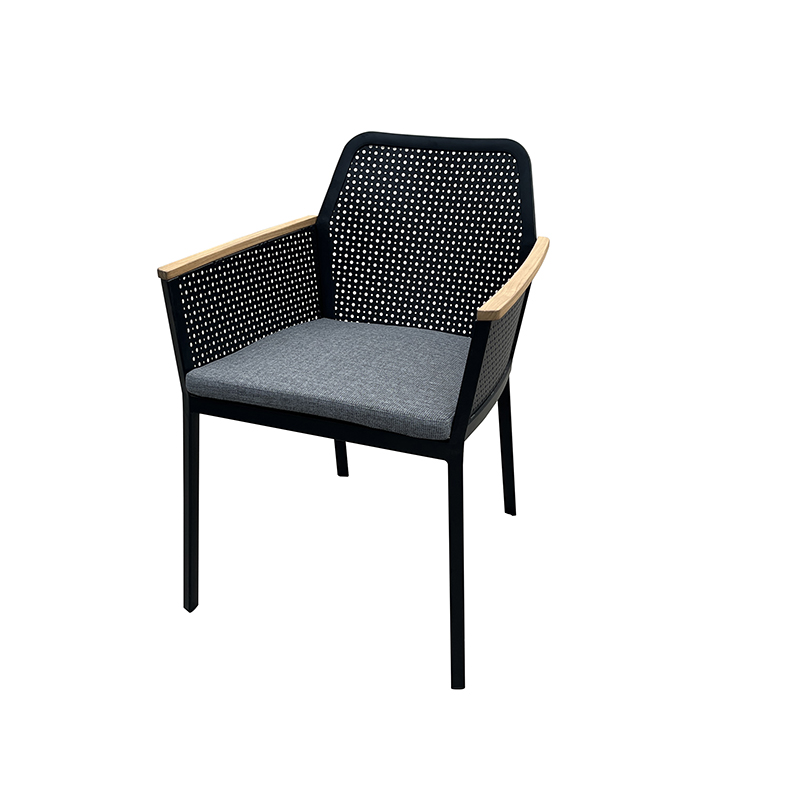
Material Evaluation: Lifespan, Climate, and Maintenance
Your regional weather extremes should dictate your material choices. A coastal property faces corrosive salt air. A desert home endures intense UV radiation. You must build your decision framework around your specific climate realities.
Metal Options (Aluminum vs. Steel/Iron)
Powder-coated aluminum dominates the premium market. It remains incredibly lightweight. More importantly, it is inherently rust-proof. Aluminum forms its own protective oxide layer. Manufacturers apply a baked-on powder coat for extra scratch resistance. It fits modern aesthetics perfectly. However, its light weight makes it vulnerable in high-wind regions.
Wrought iron and steel offer massive structural weight. They easily resist severe wind gusts. They feel highly durable and permanent. Unfortunately, they require rigorous rust mitigation. You must apply heavy-duty protective coatings regularly. Even a small scratch can invite destructive oxidation.
Natural Woods (Teak and Acacia)
Teak represents the industry standard for timber longevity. It contains dense natural oils. These oils repel pests, rot, and moisture naturally. Teak demands minimal structural care. It gracefully weathers to a silver-gray patina over time. You must oil it annually if you prefer its original warm brown tone.
Acacia and eucalyptus serve as cost-effective alternatives. They mimic the look of premium hardwoods. However, they carry a higher risk of splitting. Temperature fluctuations stress these cheaper woods. They require strict seasonal sealing to survive harsh weather.
Synthetic Resins and HDPE
High-Density Polyethylene (HDPE) revolutionized woven furniture. Traditional PVC wicker turns brittle under direct sunlight. HDPE acts completely differently. It resists UV degradation, cracking, and fading. It handles extreme heat and freezing temperatures easily. You can clean it quickly using just soap and a hose.
Material Comparison Chart
Material Type
Primary Benefit
Climate Vulnerability
Maintenance Level
Powder-Coated Aluminum
Rust-proof, lightweight
High winds
Very Low
Wrought Iron / Steel
Heavy, wind-resistant
Moisture / Salt air (Rust)
High
Grade-A Teak
Rot-resistant, durable
Neglect (turns gray)
Medium
HDPE Wicker
UV and crack resistant
Extreme heat (softening)
Low
Sizing Your Garden Dining Table for Spatial Efficiency
Matching table dimensions to your patio blueprints is critical. You want a spacious feel. Overcrowding destroys the functional flow of a layout. A cramped deck frustrates guests and makes serving meals difficult.
You must follow the 36-inch clearance rule. Measure from the table edge outward. You need a strict minimum of 36 inches on all sides. This gap ensures adequate push-back space for chairs. It also creates pedestrian flow behind seated guests. Ignoring this rule guarantees a claustrophobic dining experience.
Shape dynamics also influence spatial efficiency. Your hardscape geometry should dictate the shape of your garden dining table. Different shapes serve different architectural footprints.
Round/Bistro Tables: These optimize tight footprints. They fit perfectly on small balconies or tucked into corner nooks. Round edges eliminate sharp corners, easing traffic flow. They also naturally encourage intimate conversation among guests.
Rectangular Tables: These designs work best for linear decks. They visually anchor long spaces. They easily support larger groups and grand dinner parties.
Extendable Tables: These offer incredible flexibility for seasonal hosting. However, the extendable features require internal track maintenance. You must keep the sliding mechanisms clean and lubricated to prevent seizing.
Anatomy of a Reliable Outdoor Dining Chair
Evaluating structural integrity is your first step. A beautiful design fails if it wobbles. Ergonomics matter deeply for long dinners. The seat pitch, armrest height, and lumbar support define usability. You must demand the same comfort you expect indoors.
Textilene or sling seating offers unmatched practicality. The mesh material stretches tightly across the frame. It feels breathable against the skin. It remains entirely water-permeable. Rain passes right through the fabric. You never need to store heavy cushions. Sling seating represents a highly practical choice for humid, rainy environments.
Cushioned seating provides a softer, more luxurious experience. However, the materials must meet strict technical standards. Failing to verify fabric and core specs guarantees future mold.
Fabric Requirements: You must specify solution-dyed acrylics. Brands like Sunbrella lead this category. The color exists throughout the entire fiber. Printed polyesters only hold color on the surface. Acrylics aggressively prevent UV bleaching and resist mildew.
Core Requirements: The foam inside dictates drying time. Reticulated foam is absolutely essential. We call it "quick-dry" foam. It features open-cell structures. Water flows through it rapidly. Standard polyurethane foam acts like a sponge, promoting internal mold growth after heavy rain.
Choosing the right outdoor dining chair prevents endless frustration. Invest in engineered fabrics and breathable cores.
Implementation Risks and Hidden Ownership Costs
Many buyers ignore structural vulnerabilities during assembly. Poorly machined hardware causes premature failure. A robust aluminum frame means nothing if the bolts rust. You must verify the hardware specifications. Insist on 304 or 316 stainless steel screws and bolts. These marine-grade alloys resist galvanic corrosion.
Winterization logistics require serious attention. Leaving furniture exposed to freeze-thaw cycles destroys structural joints. Water seeps into tiny crevices. It freezes, expands, and cracks the surrounding material. High-quality, breathable furniture covers act as a mandatory secondary investment. Cheap plastic covers trap ground moisture, accelerating mold growth beneath the tarp.
Surface wear presents another hidden challenge. Porous materials demand immediate spill remediation. Natural stone and untreated wood absorb liquids rapidly. Red wine or salad oils penetrate deep into the grain. If you wait until morning to wipe a spill, you risk permanent ghosting. You must apply specialized sealants to porous surfaces before your first dinner party.
Shortlisting Logic: How to Choose Your Outdoor Dining Set
Selecting the right setup involves an objective process. Follow this logic to eliminate poor options. Protect your investment by making data-driven choices.
Audit the Climate: Your local weather makes the first cut. Default to aluminum or HDPE for high-moisture or salt-heavy environments. They handle wet conditions flawlessly. Reserve wood for fully covered patios or highly temperate zones.
Measure the Hardscape: Grab a measuring tape. Mark the exact dimensions of your patio floor. Tape out the proposed table size using painter's tape. Add exactly 3 feet to all sides of the table perimeter. If the tape hits a wall or ledge, the table is too big.
Assess Maintenance Tolerance: Be brutally honest about your habits. Will you oil wood every spring? Will you carry heavy cushions indoors during thunderstorms? If your maintenance tolerance is low, default to sling-back aluminum sets. They require zero daily upkeep.
Conclusion
The best exterior dining setup relies on structural realities, not just visual appeal. It serves as an architectural decision based on climate compatibility. You must weigh your willingness to perform annual upkeep against your desired aesthetic.
Assess your local weather patterns before falling in love with a material.
Apply the 36-inch clearance rule to guarantee comfortable guest mobility.
Invest in solution-dyed acrylics and reticulated foam to prevent mold.
Commit to proper winter covers to protect joints from freeze-thaw expansion.
Your next step is simple. Measure your available patio footprint immediately. Determine your primary weather constraint. Once you know your size limits and material needs, you can safely review specific brand catalogs.
FAQ
Q: Can an outdoor dining set be left outside year-round?
A: Yes, but with caveats. Materials like aluminum and HDPE survive winter well, but freeze-thaw cycles can damage wood joints. Breathable covers are always recommended during off-seasons.
Q: What is the most durable material for a garden dining table?
A: Premium grade-A Teak and powder-coated aluminum offer the highest ROI regarding longevity, though Teak requires periodic maintenance to retain its original color.
Q: How do I protect my outdoor dining chairs from fading?
A: Source chairs utilizing solution-dyed acrylic fabrics and UV-stabilized resins, and utilize tailored slipcovers when not in active use.