- Home

Why Aluminum Alloy Is Redefining Outdoor Furniture
Views: 0 Author: Site Editor Publish Time: 2025-12-10 Origin: Site


Introduction
Step onto almost any modern patio, balcony, or rooftop terrace today and you will see one material quietly taking over:aluminum alloy. From sleek dining sets to low-profile lounge sofas, aluminum-based outdoor furniture has become the go-to choice for homeowners, hotels, and commercial spaces that want a clean, contemporary look without the headache of constant maintenance.
This shift is not just about aesthetics. Outdoor living areas are exposed to sun, rain, temperature swings, and sometimes salty coastal air. Traditional materials like untreated steel or soft woods can struggle with rust, rot, or warping. In contrast, aluminum alloys provide a durable, lightweight, and corrosion-resistant foundation for outdoor furniture that needs to stay beautiful and functional season after season.
Whether you are selecting a compact bistro set for a city balcony or a full modular sofa for a spacious backyard, understanding how aluminum alloy works in outdoor furniture will help you choose pieces that last longer, feel more comfortable, and fit the modern lifestyle.
Key Takeaway
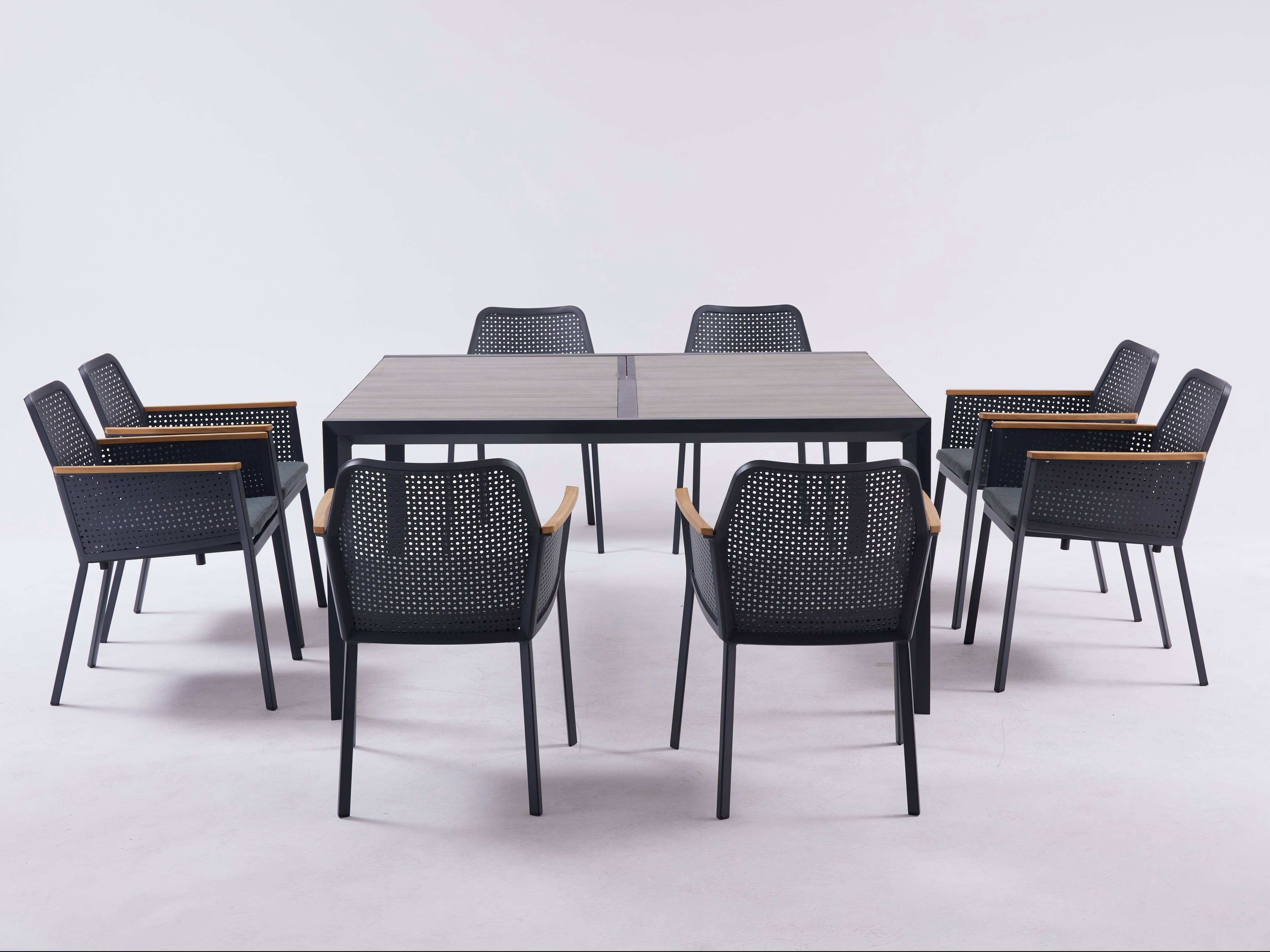
If you only remember one thing, remember this: aluminum alloy gives outdoor furniture the ideal combination of light weight, structural strength, weather resistance, and design flexibility. It makes it easier to move your furniture, easier to maintain it, and easier for designers to create the minimalist shapes that dominate today’s outdoor spaces. When in doubt between similar products, choosing quality aluminum alloy frames is usually the safest long-term investment.
What Is Aluminum Alloy in Outdoor Furniture?
Aluminum by itself is a soft, lightweight metal. To make it strong enough for demanding applications like outdoor furniture, manufacturers combine it with small amounts of other elements such as magnesium, silicon, or manganese. The result is an aluminum alloy—a carefully tuned mixture that improves strength, hardness, and corrosion resistance while keeping the metal light and easy to work with.
Common Alloy Types Used for Outdoor Furniture
Many outdoor furniture frames are made from extruded aluminum, often based on alloy families like 6000-series (for example, 6063). These alloys:
Can be extruded into complex hollow or solid profiles for legs, arms, and support structures.
Offer good weldability, so frames can be joined cleanly and securely.
Provide excellent resistance to corrosion, which is essential outdoors.
You may not see the exact alloy code in every product description, but phrases like “powder-coated aluminum frame,” “rust-free aluminum construction,” or “extruded aluminum” are strong hints that a specialized aluminum alloy is being used.
Extruded vs. Cast Aluminum Frames
Most modern aluminum outdoor furniture is built from extruded profiles—long tubes and shapes pushed through a die. This approach is ideal for:
Creating slim but strong legs and arms for dining chairs and lounges.
Forming geometric frames for modular sofas and sectionals.
Reducing weight while keeping the structure rigid.
By contrast, some decorative pieces, table bases, or classic-style chairs use cast aluminum. Molten alloy is poured into a mold, allowing intricate patterns and curves. Cast aluminum is usually heavier and more sculptural, while extruded aluminum gives a cleaner, more modern look. In both cases, the underlying metal is an aluminum alloy engineered for outdoor use.
Why Aluminum Alloy Dominates Modern Outdoor Furniture Design
Lightweight Strength for Everyday Use
One of the biggest advantages of aluminum alloy is its very low density compared to steel or solid wood. A dining chair or lounge chair built from aluminum alloy is easy to lift, slide, or stack, which matters when you need to:
Rearrange your outdoor furniture layout for a party.
Move furniture into shade or sun throughout the day.
Store pieces during extreme weather or the off-season.
Despite being light, aluminum alloy frames can be engineered to support substantial weight. Well-designed outdoor furniture in aluminum often has weight ratings comparable to or better than bulkier materials, thanks to smart geometry and appropriate wall thickness in the extruded profiles.
Corrosion Resistance in Real-World Conditions
When aluminum is exposed to air, it naturally forms a thin oxide layer that protects the underlying metal. Alloying elements and surface treatments enhance this behavior, making aluminum alloy frames highly resistant to rust and corrosion. This is a major reason why so many outdoor collections use aluminum for:
Coastal and poolside furniture where salt and chlorine are present.
Humid climates with frequent rain or morning dew.
Year-round installations that stay outside in every season.
Compared with unprotected steel, which can rust and stain floors, aluminum alloy outdoor furniture tends to stay clean and structurally sound with minimal upkeep.
Design Flexibility and Modern Aesthetics
Modern outdoor spaces often call for crisp lines, thin profiles, and a seamless transition between indoor and outdoor living. Aluminum alloy supports this design language perfectly. With extrusion, manufacturers can:
Create slim yet strong legs and arms that look light, not bulky.
Hide fasteners or integrate channels for sling fabrics and cushions.
Form smooth curves and angles that echo interior furniture designs.
The result is outdoor furniture that looks contemporary and upscale while remaining practical for daily use.
Design Trends: How Aluminum Alloy Shapes Modern Outdoor Furniture
Minimalist Dining and Lounge Collections
Aluminum alloy is especially popular in minimalist dining sets and lounge groups. Thin, squared-off legs, low armrests, and open bases create a visually light footprint that works on both large patios and compact balconies. Designers use aluminum to frame out:
Rectangular and round dining tables with matching armchairs.
Low lounge chairs and chaise loungers around the pool.
Sectional sofas and corner modules for outdoor living rooms.
Because the frames are slim and unobtrusive, cushions and tabletops can take center stage, letting you change the look over time with different fabrics and accessories.
Mixed-Material Frames with an Aluminum Core
Many collections combine an aluminum frame with other materials to balance warmth and modernity. Common combinations include:
Aluminum frames with faux-wood or teak-look arm caps and tabletops.
Aluminum frames wrapped in synthetic wicker for a softer, woven texture.
Aluminum bases supporting sling or mesh seating for streamlined loungers.
In these designs, the aluminum alloy provides structural strength and corrosion resistance, while the other materials add character and surface interest. The result is versatile outdoor furniture that fits a wide range of décor styles, from coastal to urban modern.
Space-Saving and Modular Concepts
Because aluminum is light and strong, it’s ideal for modular and space-saving layouts:
Stacking chairs and nesting tables for small patios.
Modular sofas that can be rearranged into different configurations.
Bar sets and balcony sets with compact footprints.
Aluminum alloy makes it practical to reconfigure your outdoor furniture regularly, turning one space into a dining area, a lounge zone, or an open area for events as needed.
Performance Comparison: Aluminum Alloy vs Other Outdoor Furniture Materials
Aluminum Alloy vs Steel
Steel is strong but heavy and prone to rust if not carefully protected. Aluminum alloy:
Weighs significantly less, so chairs and tables are easier to move.
Does not rust in the same way steel does, thanks to its oxide layer.
Usually requires less maintenance and touch-up work over time.
Steel still has its place—especially when extreme weight or a solid, grounded feel is desired—but for most residential outdoor furniture, aluminum alloy offers a better balance between usability and longevity.
Aluminum Alloy vs Wood and Natural Wicker
Teak and other hardwoods bring natural beauty, but they need regular oiling or sealing to maintain their color and prevent cracking. Natural wicker can fade, unravel, or become brittle in harsh sun and rain. By comparison, aluminum alloy:
Does not rot, splinter, or crack.
Resists insects and moisture without chemical treatments.
Requires only basic cleaning to stay presentable.
For people who love the look of wood but not the maintenance, aluminum frames with wood-look slats or accents offer a smart compromise.
Aluminum Alloy vs HDPE and Composite Materials
High-density polyethylene (HDPE) and other composites are also common in outdoor furniture. They are durable, colorfast, and often made from recycled materials. However, composite pieces tend to be bulkier and heavier. Aluminum alloy frames:
Provide a slimmer silhouette, which is appealing in modern designs.
Make it easier to move and rearrange large sets.
Pair well with composites used as slats or table surfaces.
Many premium outdoor collections actually blend aluminum alloy with composite or synthetic materials to capture the best features of each.
Comfort and Function: How Aluminum Alloy Works with Cushions and Seating
Ergonomic Frames and Seating Geometry
Comfortable seating is about more than soft cushions. The shape of the frame matters. Aluminum alloy can be bent, extruded, and welded into precise angles for:
Supportive backrests with gentle recline.
Armrests at the right height for relaxed posture.
Seat depths that suit lounging or upright dining.
This flexibility lets designers treat outdoor furniture more like indoor furniture, focusing on ergonomics rather than simply durability.
Pairing Aluminum Frames with Sling and Cushion Systems
Aluminum alloy frames work especially well with:
Sling seating, where durable fabric is stretched across the frame for a firm yet flexible seat.
Padded sling or mesh designs, which combine support and cushioning in one structure.
Deep seat cushions made from quick-dry foam and performance fabrics for sofa-like comfort outdoors.
Because the frame is light, you can use thicker cushions without making the overall piece too heavy to move, making aluminum alloy a favorite for comfortable lounge sets.
Durability, Finishes, and Maintenance of Aluminum Alloy Outdoor Furniture
Powder Coatings and Protective Finishes
Raw aluminum alloy already resists corrosion, but it becomes even more durable once coated. Most quality outdoor furniture uses:
Powder coating, where dry pigment is applied electrostatically and then baked onto the frame.
Occasionally, anodizing, which thickens the natural oxide layer and can add subtle color effects.
These finishes:
Shield frames from UV exposure, rain, and minor scratches.
Provide a huge range of colors—charcoal, white, bronze, and more.
Help prevent fading so the furniture looks fresh for years.
Everyday Care and Seasonal Maintenance
One of the strongest advantages of aluminum alloy outdoor furniture is its low maintenance. Basic care usually involves:
Rinsing the frames with water to remove dust and pollen.
Spot-cleaning with mild soap and a soft cloth when spills occur.
A quick inspection of hardware and glides at the start of each season.
Unlike wood, aluminum alloy does not need oiling, and unlike steel, it does not require regular rust treatment. This makes it ideal for busy households and commercial settings where time and labor are limited.
Handling Scratches and Minor Damage
Over time, even the best outdoor furniture may get bumps or scratches. With aluminum alloy:
Small surface marks can often be minimized with gentle cleaning.
Deeper chips in the powder coat can sometimes be touched up with matching paint.
Because the metal beneath resists rust, minor cosmetic damage rarely affects structural integrity immediately.
If your set uses mixed metals (for example, stainless hardware on aluminum frames), it’s wise to follow the manufacturer’s recommendations to avoid galvanic corrosion. In most modern designs, this is already considered during engineering.
Sustainability and Environmental Impact
Recycled Aluminum and Circular Design
Aluminum is one of the most recyclable metals in the world. Many manufacturers are increasingly using recycled aluminum in their frames. For eco-conscious buyers, this has several benefits:
Reduced demand for new raw materials.
Lower energy use compared with producing primary aluminum.
Opportunity to keep old furniture and scrap metal within a circular economy.
When you invest in quality aluminum alloy outdoor furniture that lasts longer, you also reduce the need for frequent replacements, which further cuts down on waste.
Comparing Environmental Footprints
Every material has an environmental cost, from extraction to manufacturing to transport. Aluminum alloy:
Has a relatively high energy input for initial production, but this is offset by long product life and high recyclability.
Is lighter than many alternatives, which can reduce shipping emissions.
Is often combined with recyclable plastics and fabrics, making it compatible with more sustainable product designs.
For buyers who care about sustainability, looking for brands that highlight recycled aluminum content, eco-friendly powder coatings, and long warranties can be a smart strategy.
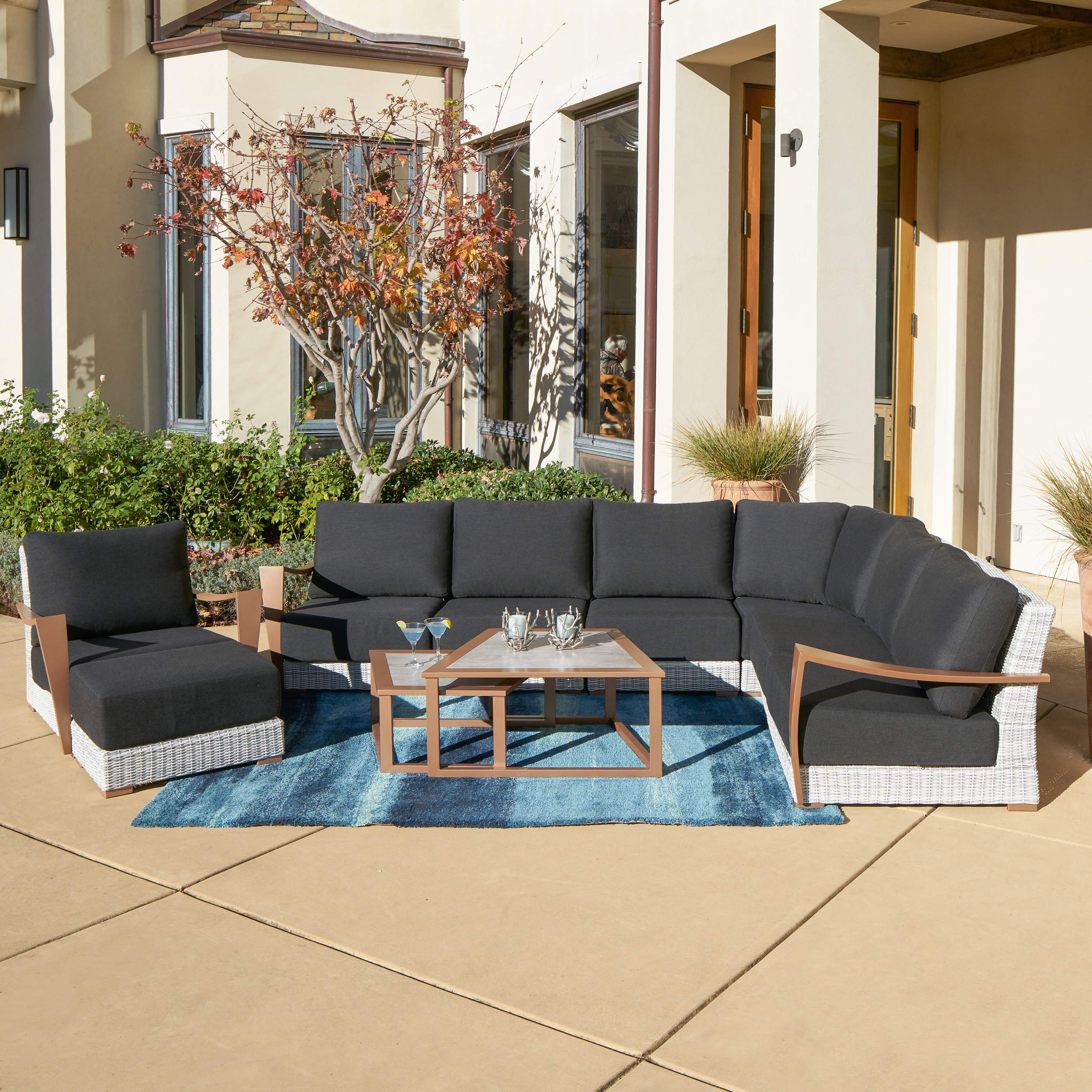
Buying Guide: How to Choose Aluminum Alloy Outdoor Furniture
Match Furniture to Your Climate and Lifestyle
Before you fall in love with a specific design, think about how and where you will use your outdoor furniture:
In coastal or poolside settings, prioritize corrosion-resistant aluminum alloy frames and quick-dry cushions.
In very sunny climates, look for UV-stable finishes and fade-resistant fabrics.
In small city balconies, focus on compact, stackable or folding aluminum sets.
Aluminum alloy is versatile enough to cover all these scenarios, but details like cushion fabric, hardware, and table surfaces will vary.
Check Frame Construction and Build Quality
Not all aluminum outdoor furniture is equal. When comparing options:
Look for smooth, even welds at the joints.
Check that the frame does not flex excessively when you apply pressure.
Verify that legs sit flat on the ground and do not wobble.
Inspect the powder coat for consistent coverage without bubbles or bare spots.
A well-built aluminum alloy frame will feel solid but remain easy to move, striking the right balance between stability and practicality.
Measure Your Space and Plan the Layout
Because aluminum frames can be slim, it is easy to underestimate the footprint of a complete set. Before buying:
Measure the exact length and width of your patio, balcony, or deck.
Allow space for people to walk around chairs and tables comfortably.
Consider whether you need room to pull loungers back or rotate them as the sun moves.
Many retailers list complete dimensions and recommended seating capacities. Use these details to sketch a simple layout to ensure your aluminum outdoor furniture set will fit without crowding the space.
Review Warranty and After-Sales Support
Quality aluminum alloy outdoor furniture often comes with multi-year warranties on the frame and shorter warranties on cushions or finishes. When comparing:
Check the length of the frame warranty and what types of damage are covered.
See whether replacement cushions or parts are available.
Consider the reputation of the brand and retailer for handling claims.
A good warranty is a strong signal that the manufacturer trusts their aluminum alloy construction to withstand real-world use.
What Aluminum Alloy Means for the Future of Outdoor Furniture
As outdoor spaces continue to evolve into fully furnished living areas, the expectations placed on outdoor furniture will keep rising. Customers now look for pieces that are as comfortable as indoor sofas, as stylish as modern interior design, and as tough as commercial-grade equipment. Aluminum alloy is well positioned to meet these demands.
Future innovations may include new alloy compositions with even better strength-to-weight ratios, smarter coatings that stay cooler under the sun or self-clean, and hidden channels within frames to integrate lighting, charging ports, or heating elements. In every scenario, aluminum alloy offers a flexible backbone for new ideas.
Conclusion
Aluminum alloy has quietly become one of the most important materials in modern outdoor furniture. It combines light weight, strength, corrosion resistance, and design freedom in a way that few other materials can match. From minimalist dining sets to modular lounge systems, aluminum-based designs make it easy to enjoy your outdoor space without constant upkeep.