- Home

Benefits Of Aluminum Chairs For Lightweight Patio Furniture
Views: 0 Author: Site Editor Publish Time: 2026-07-15 Origin: Site


Upgrading patio furniture often forces a tough compromise on homeowners. You typically must choose between extreme physical durability and daily everyday convenience. Heavy steel frames easily resist weather damage but become nearly impossible to move. Flimsy plastics degrade rapidly under harsh summer sunlight. Cheap composites crack and splinter over several seasons. Continually replacing rusted or sun-damaged outdoor seating ruins your backyard aesthetic and wastes money.
An aluminum outdoor chair resolves this common friction immediately. It offers an incredible strength-to-weight ratio alongside inherent rust resistance. This guide breaks down the structural differences in metal furniture frameworks. We compare aluminum against alternative materials available on the market today. You will learn how to evaluate product quality properly before making your next purchase.
Key Takeaways
Zero-Rust Chemistry: Unlike iron or steel, aluminum forms a protective oxide layer, making it fundamentally impervious to traditional red rust, even in coastal environments.
Categorical Differences: Buyers must choose between extruded aluminum (hollow, maximum mobility) and cast aluminum (solid, heavier, intricate designs) based on wind exposure and usage.
Weight vs. Stability: While a lightweight patio chair offers daily ergonomic benefits, evaluation must account for high-wind environments where lightweight frames require strategic weighting or securement.
Finish is Critical: The lifespan of a modern outdoor chair relies heavily on the quality of its powder coating and the integrity of its welds, not just the base metal.
Defining the Success Criteria for Patio Seating
Continually replacing rusted seating drains your resources. Sun-damaged or structurally compromised furniture destroys your patio aesthetic entirely. Furthermore, heavy seating drastically limits patio usability. It removes your layout flexibility almost completely. You want your outdoor space to adapt quickly for arriving guests. Cumbersome iron benches lock you into a single, rigid configuration. They demand immense physical effort to shift across a deck.
Garden dining chairs and lounge seating must remain easily repositionable. Varying group sizes require quick tabletop adjustments. Moving sun patterns force you to shift seating locations throughout the afternoon. You should accomplish this repositioning without risking severe physical strain. Dragging heavy furniture also risks deep scratching on composite decking. Moving pieces safely requires manageable frame weights. This makes a garden dining chair crafted from lighter metals ideal for dynamic hosting environments.
True outdoor furniture should offer a reliable 10-year structural lifespan. It must survive changing seasons requiring minimal active maintenance. You should never spend your weekends performing seasonal sanding. Repainting frames or applying chemical rust-proofing sprays steals away your relaxation time. Premium materials provide baseline longevity straight out of the box. They maintain their structural integrity through varying harsh weather cycles. High-quality seating simply works, year after year.
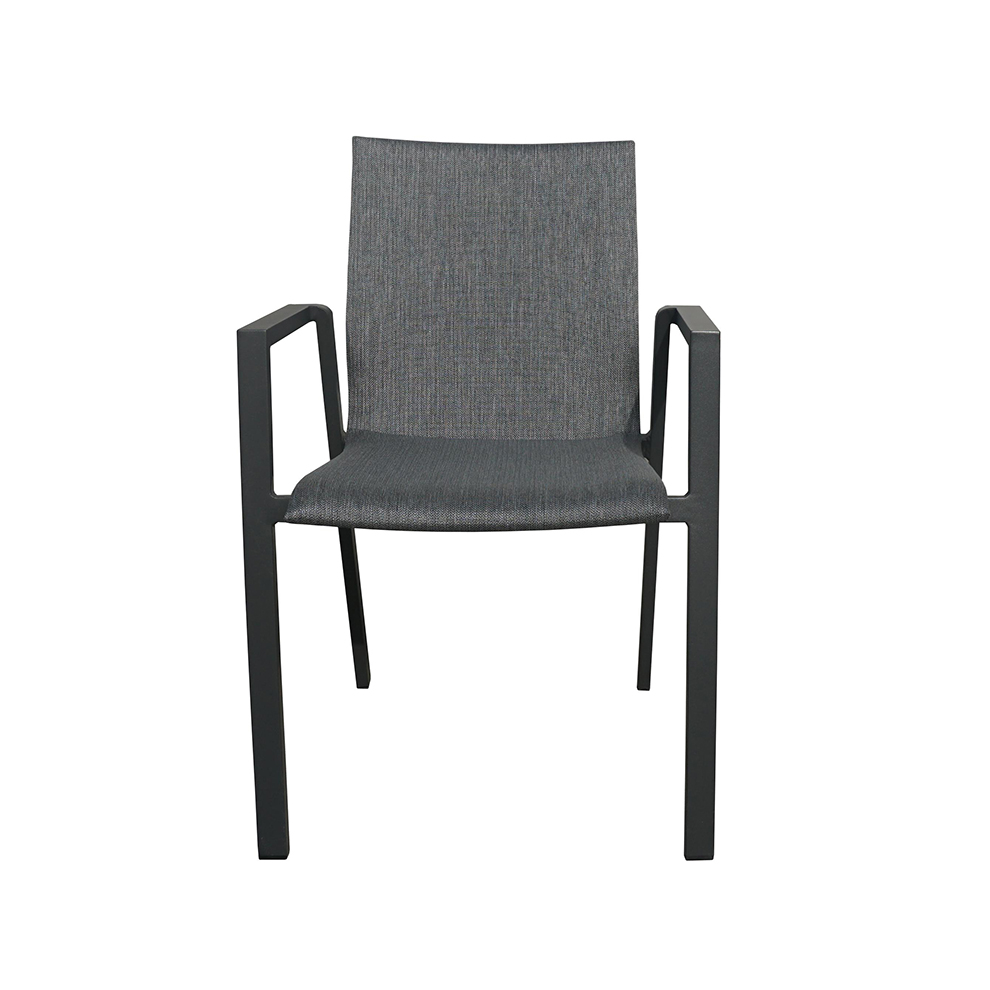
Cast vs. Extruded: Selecting the Right Aluminum Framework
Buyers often assume all metal patio furniture shares the same construction. The reality involves two entirely distinct manufacturing processes. Extruded and cast aluminum serve very different functional household needs. Understanding these differences prevents buyer remorse later.
Extruded Aluminum (Hollow Tube)
Extruded aluminum starts as raw, heated metal blocks. Factories push these softened blocks through heavily shaped steel dies. This physical process creates continuous hollow tubes. These tubes form the framework for many contemporary seating designs. The primary advantage is an extremely low overall frame weight. This makes the material fit perfectly into a modern outdoor chair featuring sleek, clean lines. Manufacturers can produce extruded frames at a generally lower price point. However, this lightweight nature presents specific environmental drawbacks. Extruded furniture can blow over easily in severe storms. Lower weight capacity occurs if the manufacturer utilizes excessively thin tube walls.
Cast Aluminum (Solid Poured)
Cast aluminum uses a completely different fabrication methodology. Foundries pour molten liquid aluminum directly into detailed sand molds. This creates solid metal components rather than hollow tubes. Cast pieces are naturally solid and significantly heavier. They easily resist high winds on fully exposed patios. The molding process allows for highly detailed decorative aesthetics. You frequently see traditional, ornate patterns in cast designs. The main drawback involves daily mobility. Cast pieces are much heavier to move than extruded alternatives. They also carry a notably higher upfront cost due to the labor-intensive manufacturing steps.
Decision Matrix
We can organize these considerations into a clear decision matrix for buyers. Choose your frame style based on your specific backyard environment.
Application Requirement
Recommended Material
Primary Reasoning
Easy-to-move poolside loungers
Extruded Aluminum
Hollow frames allow quick repositioning and fast layout changes.
Dynamic dining spaces
Extruded Aluminum
Guests can easily push chairs in and out from the table unassisted.
High-wind geographic zones
Cast Aluminum
Solid mass anchors the furniture securely, preventing wind-blown damage.
Permanent, uncovered installations
Cast Aluminum
Heavier weight reduces the constant need for securement during storms.
Material Face-Off: Aluminum vs. Steel and Wicker
Understanding material chemistry helps you avoid premature furniture failure. Steel and wrought iron react poorly to atmospheric moisture. Steel oxidizes rapidly and produces destructive red rust. This rust eats away at the structural core continuously. Aluminum oxidizes quite differently. It forms a hard, microscopic protective outer layer. This layer prevents further internal corrosion naturally. Aluminum simply does not rust like steel. This chemical trait makes it vastly superior for humid climates. It excels in regions experiencing heavy seasonal rainfall.
Weight comparisons reveal another massive user advantage. Aluminum weighs roughly one-third the amount of structural steel. This drastically reduces freight shipping costs. It also removes daily handling friction for the end user. Lifting an iron chair requires considerable physical effort. Shifting an aluminum equivalent takes just one hand.
Resin wicker presents a different set of material challenges. Synthetic wicker relies heavily on PVC or polyethylene strands. Harsh UV rays eventually break down these plastic polymers. The material becomes highly brittle after prolonged direct sun exposure. This brittleness causes the woven strands to snap eventually. Aluminum frames do not degrade under intense UV exposure. They retain their exact structural integrity regardless of sunlight intensity.
Many consumers strongly prefer the look of woven furniture. High-quality wicker chairs frequently utilize an aluminum sub-frame underneath the weaving. You must evaluate both components carefully. Focus on the internal aluminum gauge first. Then check the specific UV-stabilizer rating of the exterior wicker strands.
Here is a comparative chart outlining the primary material differences across structural options:
Material Type
Corrosion Resistance
UV Degradation Resistance
Weight Profile
Aluminum
High (Forms protective oxide layer)
Maximum (Zero UV degradation)
Very Lightweight
Steel/Wrought Iron
Low (Prone to spreading red rust)
High (Frame structure unaffected)
Extremely Heavy
Resin Wicker (PVC)
N/A (Plastics cannot rust)
Low to Medium (Gets brittle over time)
Varies based on sub-frame choice
Performance Realities in Extreme Climates
Outdoor furniture faces brutal environmental tests daily. Coastal and saltwater environments destroy average metals very quickly. Aluminum remains the leading industry standard for marine applications. Its natural oxide layer handles salty humidity beautifully. However, salty air can still cause surface damage occasionally. It creates a specific chemical phenomenon called pitting. Pitting appears as small, white, crusty oxidation spots. This only happens if the exterior powder coating gets breached. Keeping the paint layer fully intact is absolutely critical near the ocean.
High sun and heat retention worry many potential buyers. Skeptics point out how bare metal gets incredibly hot. Aluminum actually dissipates heat much faster than solid steel. The metal cools down rapidly once shaded by clouds or umbrellas. However, an un-cushioned chair sitting in direct afternoon sun will become uncomfortably hot. You must mitigate this heat absorption actively. Factor in the cost of high-performance acrylic cushions. Premium fabrics offer excellent heat diffusion and fade resistance. Alternatively, choose sling-style seating designs. Sling fabrics stretch tight across the metal frame. They provide maximum airflow and eliminate direct hot metal contact points.
Sub-zero winters test the molecular structure of all patio gear. Plastics crack loudly when temperatures plunge below freezing. Water seeps into iron joints and expands, breaking internal welds apart. Aluminum does not become brittle in freezing winter temperatures. It never cracks from standard winter cold exposure. This thermal stability allows for safe year-round outdoor storage. You can leave the furniture on your patio all winter safely. Covering the pieces remains highly recommended, though. Covers protect the decorative powder-coated finish from abrasive ice and flying debris.
Identifying Quality: A Buyer's Shortlisting Checklist
Visual inspections reveal the true quality of outdoor seating. You must look far past the initial aesthetic design. Structural integrity dictates exactly how long the piece will survive outside. Poor manufacturing processes hide behind shiny paint jobs. Use these specific criteria when evaluating potential purchases in showrooms or online.
Assess the Welds: Inspect carefully where the frame pieces intersect. Look for 360-degree, full-circumference structural welds. The weld should wrap completely around the joint smoothly. Spot welds are simply small dots of melted metal. They indicate extremely cheap manufacturing processes. Spot welds remain a primary failure point in budget-friendly garden seating.
Inspect the Powder Coating: Paint quality matters immensely for longevity. Verify the frame features an electrostatic powder coat. Manufacturers spray dry colored powder onto the metal and bake it. This creates a hard, highly durable shell. Avoid simple wet-painted frames completely. Look for a uniform, thick finish. It should easily resist chipping when tapped lightly.
Verify the Wall Thickness (Gauge): Frame thickness dictates maximum load capacity. Commercial-grade furniture always uses thicker aluminum walls. Test the frame manually before buying. If a lightweight patio chair feels suspiciously flimsy, put it back immediately. If the arms bend slightly under moderate pressure, it lacks the necessary structural gauge for daily use.
Check the Assembly Hardware: A premium metal frame fails quickly if assembled poorly. Cheap steel bolts ruin great frame designs. Atmospheric moisture rusts these hidden bolts rapidly. The rust drips down and permanently stains the surrounding aluminum. Ensure all nuts, bolts, and hinges utilize marine-grade stainless steel. This completely prevents localized rust bleeding.
Conclusion
An aluminum patio set represents a highly balanced long-term investment for outdoor seating. It successfully merges the strict demands for low weight and high structural integrity. The metal provides unmatched weather resistance across vastly different climates. It removes the constant maintenance burdens heavily associated with traditional metal or wood furniture. You regain your weekends instead of sanding rusty chair legs.
Audit your specific patio environment thoroughly before shopping. Assess your local wind exposure carefully to avoid tipping hazards. Review your aesthetic preferences to decide between cast and extruded frameworks. Always prioritize vendors offering complete transparency about their manufacturing processes. Ask for specific technical details on weld types and metal gauges. Taking these strategic steps ensures your outdoor living space remains beautiful and fully functional for decades.
FAQ
Q: Do lightweight patio chairs blow away easily?
A: Extruded aluminum chairs can be susceptible to high winds. If you live in a windy area, opt for cast aluminum, heavy-duty extruded models, or designs that incorporate heavy bases and breathable sling fabrics to reduce wind resistance.
Q: How do you maintain powder-coated aluminum patio furniture?
A: Maintenance requires only mild soap and water. Abrasive cleaners or stiff brushes should be avoided as they can micro-scratch the powder coat, which compromises the aesthetic and protective layer over time.
Q: Is an aluminum garden dining chair capable of supporting heavy weights?
A: Yes, provided it is manufactured with the correct metal gauge and full-circumference welds. High-quality aluminum seating routinely supports 300+ lbs, but buyers should always check the manufacturer's specific weight rating.