- Home

What Chairs Are Good for Elderly with Bad Backs?
Views: 0 Author: Site Editor Publish Time: 2026-04-12 Origin: Site


Many families assume sinking into a plush, overstuffed recliner provides the ultimate relief for senior back pain. This common misconception actually does more harm than good. Deep, soft sofas force the spine into an unnatural "C-curve" alignment. This slouched posture drastically increases the static load on aging vertebrae. Over time, it accelerates degenerative disc disease and worsens painful conditions like sciatica. We need to completely rethink how we support the aging body. The primary buying goal must shift away from subjective feelings of "coziness." Instead, you should prioritize clinical, orthopedic support. Buyers must focus on neutral positioning, multi-point adjustability, and safe mobility transfers. A structured seat encourages proper posture and relieves chronic pressure. In this comprehensive guide, you will learn exactly how to evaluate seating for older adults. We will explore anatomy-first sizing, specific pathological needs, and financial realities to guide your next medical hardware decision.
Key Takeaways
Avoid Soft Foam: Opt for structural firmness (e.g., 2.5–3.5 lbs density foam or tension-based materials) to prevent spinal collapse.
Measure the "Ergonomic Gap": Use the "Two-Finger Rule" for seat depth to ensure proper circulation and avoid lower back strain.
Match Features to Pathology: Sciatica requires tilt-in-space mechanisms, while kyphosis (hunchback) benefits from adjustable waterfall backrests.
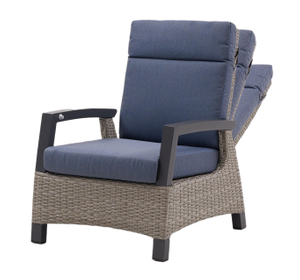
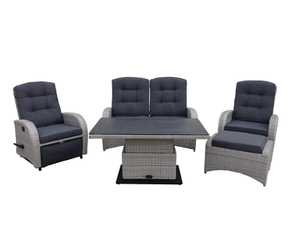
Consider "Day Chairs": An Adjustable Backrest Rattan Casual Chair or an orthopedic day chair often provides better postural correction for active hours than heavy living room recliners.
Factor in True Costs: Understand Medicare limitations (which typically only cover lift mechanisms, not the furniture) and prioritize easy-to-clean, durable materials.
The Hidden Strain: Why Traditional Lounging Fails the Aging Spine
Age-related musculoskeletal changes severely impact how we sit. Conditions like degenerative disc disease make the spine highly sensitive to static load. When you sit completely still for hours, the pressure on your lumbar discs multiplies. Traditional lounging furniture typically ignores this physiological reality. Deep, plush sofas feel inviting initially. However, they quickly trap the body. They encourage a collapsed posture that places excessive weight on the lower vertebrae.
Prolonged compression causes thick memory foam to lose its structural integrity. As you sit, the material flattens out and absorbs your body weight. It forces the spine out of its neutral position. Your body then attempts to compensate for this lack of support. Shoulders roll forward. The neck strains upward to keep your sightline level. This chain reaction triggers a cascade of compensatory shoulder and neck pain. Over time, getting out of these soft traps becomes dangerous for seniors with limited core strength.
We must distinguish between passive lounging and active resting. Occupational therapists emphasize the clinical concept of the "day chair." A day chair features firmer support and high adjustability. It keeps users upright and physically engaged. You avoid the passive, slouched sleeping posture caused by standard recliners. Active sitting distributes static load evenly across the skeletal structure. It preserves joint health and encourages small, micro-movements throughout the day.
Core Evaluation Framework: Anatomy-First Sizing and Support
Finding the right fit requires strict anatomical measurements. You cannot rely on guesswork. The first critical metric is seat depth. You must apply the "Two-Finger Rule." When seated, allow one to two inches of clearance between the back of the knees and the edge of the chair. If the seat runs too deep, you will slump backward to reach the backrest. If it sits too shallow, concentrated thigh pressure cuts off circulation.
Next, examine lumbar and cervical alignment. Look for aggressive, independent lumbar depth adjustments. A standard spine requires two to three inches of customized support depth to maintain its natural curve. When you recline the chair, there must be zero gap between your lower back and the seat. Any void immediately invites spinal collapse and muscle strain.
Firmness and breathability act as your foundational supports. Instead of sinking into heavy cushions, explore alternative structural materials. For instance, an Adjustable Backrest Rattan Casual Chair provides excellent firm tension. This tension prevents the pelvis from sinking improperly. Furthermore, such open-weave materials offer high breathability. Clinical studies show proper airflow reduces skin breakdown risks by up to 40% for seniors dealing with poor circulation.
Finally, evaluate transfer support. Armrests serve as vital leverage points. Require overhanging, solid-grip armrests made of wood or rigid composite. Soft, padded armrests compress when pushed. Rigid armrests must extend far enough forward so you can push up safely and transfer your weight over your feet.
Anatomy-First Sizing Guidelines
Evaluation Area
Clinical Rule / Metric
Risk of Ignoring
Seat Depth
Two-Finger Rule (1-2 inches clearance)
Slumping (too deep) or restricted blood flow (too shallow)
Lumbar Support
2-3 inches independent depth adjustment
Lower back void during recline, causing muscle strain
Material Tension
Firm baseline (e.g., rattan, high-density foam)
Pelvic tilt and spinal C-curve collapse
Armrests
Rigid, overhanging design
Increased fall risk during sit-to-stand transfers
Condition-to-Feature Mapping: Solving Specific Pathologies
You must align chair features with specific medical conditions. A one-size-fits-all approach fails aging bodies. Let us map common pathologies to their required mechanical solutions.
Lower Back Pain & Sciatica: If you suffer from sciatic nerve pain, hydrostatic pressure on lumbar discs is your main enemy. You need chairs equipped with "tilt-in-space" or zero-gravity features. These mechanisms pivot the entire seat bracket at once. They elevate your legs to heart level without changing the hip angle. This posture drastically reduces hydrostatic pressure. It quickly relieves sciatic nerve pinching and promotes spinal decompression.
Kyphosis (Hunchback) & Neck Pain: Older adults with forward spinal curvature struggle immensely in flat, rigid chairs. A straight backrest forces their gaze downward or strains the neck upward. Avoid flat designs entirely. Instead, shortlist chairs with modular "waterfall backrests." These adjustable, multi-tiered cushions accommodate the unique curvature of kyphosis. You can remove or add filling to individual horizontal pillows. They support the upper back while keeping the sightline perfectly level.
Arthritis & Mobility Loss: Weakened joints demand mechanical assistance. Prioritize motorized assistance over manual levers. A Power Lift mechanism gently raises the user to a standing position. It eliminates the need to bend forward and strain arthritic knees. Also, carefully inspect the remote controls. Ensure they feature simplified, oversized buttons. Arthritic hands struggle with tiny, complex touchpads or stiff mechanical levers.
Assessing TCO, Longevity, and Financial Pragmatism
Buying an orthopedic chair involves significant financial planning. You must assess the Total Cost of Ownership (TCO). Material durability heavily influences long-term maintenance costs. Evaluate upholstery strictly based on clinical ease-of-cleaning. Incontinence and accidental spills ruin standard living room fabrics quickly. Opt for performance fabrics, commercial-grade vinyl, or easily wipeable frames. An Adjustable Backrest Rattan Casual Chair drastically lowers long-term costs. Its resilient woven structure resists deep stains and wipes clean in seconds without requiring professional upholstery cleaning.
Next, clarify Medicare and insurance realities. Many buyers mistakenly expect full coverage for specialized seating. However, Medicare Part B categorizes lifting devices strictly under Durable Medical Equipment (DME). The financial framework is rigid. Medicare may cover up to 80% of the cost of the internal lift mechanism if you have a valid doctor's prescription. They do not reimburse the cost of the furniture piece itself. You must pay out-of-pocket for the chair frame, fabric, and cushioning.
Future-proof your investment to avoid total replacement. Choose modular chairs. If a motor burns out or a seat cushion flattens, you can replace that specific component. Discarding a $2,000 chair due to one failed part destroys your budget. Look for removable seat pads, zipper-access backrests, and easily accessible motor bays.
Implementation Risks: Avoiding the "Ergonomic Gap"
Even the most expensive chair fails if it is poorly sized for the individual user. We call this sizing mismatch the "Ergonomic Gap." You must actively look for and avoid these common implementation risks during your search.
The dangling foot hazard represents a critical danger. Standard 29-inch desk chairs or high-seat recliners overwhelm shorter older adults. If a user stands under 5'4", their feet often suspend in the air. This directly violates static posture safety standards. It restricts blood flow through the bottom of the thighs and accelerates muscle fatigue. Feet must rest completely flat on the floor to ground the body and stabilize the pelvis.
Watch out for the recline lumbar void. This serves as a vital shortlisting test. Push the chair into a reclined position. If the lumbar support does not move synchronously with the spine, reject the chair immediately. A dangerous gap forms between the lower back and the seat. This strips away lower back support exactly when the spine needs it most.
Finally, apply a convenience checklist for maximum user independence. Your final vetting process should include specific add-ons that prevent unnecessary reaching and bending:
Localized Heating: Target lower back and thigh zones specifically to ease morning joint stiffness and improve local circulation.
Magnetic or Removable Pads: Ensure quick removal for immediate hygiene control and deep cleaning.
Accessible Pockets & Ports: Side pockets and built-in USB ports minimize the need to bend over, reach awkwardly, or twist the spine to grab a phone or remote.
Feature Comparison Chart
Feature Category
Standard Plush Recliner
Orthopedic Day Chair
Lumbar Tracking
Static, creates void upon recline
Synchronous, moves directly with spine
Foot Grounding
Often too high, feet dangle
Customizable height, feet stay flat
Maintenance
Fixed fabric, absorbs spills
Removable pads, wipeable surfaces
Conclusion
Purchasing seating for a senior with a bad back is a medical hardware decision. It is never just a living room decor purchase. You must prioritize anatomical support over temporary softness. Take these actionable steps:
Measure the senior's current popliteal height (from the floor to the back of the knee) before you browse.
Compare firm day chairs and motorized lift models strictly against the "Two-Finger Rule" for seat depth.
Test the recline function to ensure the lumbar support tracks synchronously with the spine, leaving no gaps.
Focus on modular, easy-to-clean materials that protect your financial investment over time.
By replacing passive lounging with active, adjustable support, you safeguard spinal health and promote daily independence.
FAQ
Q: Does Medicare pay for chairs for back pain?
A: Medicare Part B categorizes the lifting mechanism of a chair as Durable Medical Equipment (DME). With a doctor's prescription, Medicare may cover up to 80% of the cost of the internal lift motor. However, they do not pay for the actual furniture piece, the fabric, or the cushioning.
Q: Is a recliner or a straight-back chair better for lower back pain?
A: Neither extreme is ideal. You need variable posture. A static straight-back chair creates fatigue, while a soft recliner causes spinal collapse. An adjustable backrest that allows you to change angles while maintaining firm lumbar contact is superior to both.
Q: Why is memory foam bad for seniors with back pain?
A: Memory foam compresses heavily over hours of static sitting. It loses its structural firmness, causing the pelvis to sink and the spine to misalign. This sinking effect also makes it significantly harder for an elderly person to generate enough leverage to stand up independently.
Q: What is the ideal seat height for an elderly person?
A: The ideal height depends entirely on the individual's leg length. The golden rule is that both feet must rest completely flat on the floor. The knees should form a 90-degree angle to properly ground the body and prevent compensatory lower back strain.
Table of Content list