- Home

What Is Considered The Most Comfortable Dining Chair?
Views: 0 Author: Site Editor Publish Time: 2026-04-20 Origin: Site


The dining room no longer serves as a simple 30-minute meal space. It functions primarily as our second living room. We commandeer it for intensive remote work sessions. We host prolonged dinner parties lasting deep into the night. We even utilize it for extensive tabletop gaming weekends. Yet, this functional shift highlights a major problem. Most visually trendy dining chairs fail us completely. Popular styles, like industrial metal café seating, prioritize aesthetics over anatomy. Manufacturers build them for rapid restaurant turnover. They actively discourage lingering. Purchasing them for your home guarantees immediate buyer’s remorse. You need a better strategy. This guide delivers a rigorous, metric-driven framework. We evaluate true dining chair comfort, structural integrity, and long-term cost. You will discover exactly how to measure ergonomic suitability. By following these rules, you can make a confident, permanent furniture purchase.
Key Takeaways
True comfort is dictated by internal construction (springs/webbing) rather than superficial foam thickness.
Ergonomic standards require a 95° to 105° backrest tilt and a 20” to 24” seat depth for multi-hour seating.
High-durability use cases (300lbs+ capacity or elderly mobility) often require cross-category solutions like swivel bases, casters, or commercial-grade framing.
A chair’s comfort is relative to its table pairing; ignoring clearance ratios (like armrest-to-apron height) negates ergonomic benefits.
Defining "Comfort": The Ergonomic and Structural Evaluation Criteria
Comfort extends far beyond initial softness. True physical support requires precise angles and robust hidden materials. You must evaluate chairs using strict ergonomic benchmarks.
The Angle of Repose
A healthy spine demands a slight recline. The optimal backrest angle sits securely between 95 and 105 degrees. This specific tilt serves as a non-negotiable ergonomic standard. It actively prevents lower back fatigue during two-hour Zoom calls. It also supports your posture during extensive holiday meals. Upright 90-degree backs force an unnatural seating position. They compress your lumbar region relentlessly over time. A slight recline shifts upper body weight into the chair frame. This relieves pressure on your spinal discs. It allows you to relax naturally without slouching forward.
Seat Depth and Width Metrics
A highly comfortable seat lets you lean back fully. It accommodates different body types without pinching. You should target a precise seat depth of 20 to 24 inches. This measurement supports your thighs evenly. It prevents the seat edge from cutting off knee circulation. Furthermore, always seek an 18 to 22-inch seat width. Narrower seats compress the hips awkwardly. They make prolonged sitting highly uncomfortable. Wider seats grant users freedom of movement. You can shift your weight easily during long conversations.
Internal Suspension Systems (The ROI Driver)
Do not judge comfort simply by squeezing the seat cushion. You must investigate the internal skeleton. Low-tier manufacturers staple cheap foam directly over solid MDF boards. This foam flattens completely within mere months. High-tier designs utilize sinuous springs or web-strap suspensions instead. This internal bounce acts as the true ROI driver. It distributes human weight dynamically across the frame. A typical 5-to-8-year lifecycle depends entirely on this hidden framework. Springs prevent the dreaded "bottoming out" effect. They maintain cushion loft year after year.
Weight Capacity Realities
Ignore generalized retail adjectives describing frame strength. You must verify exact manufacturer weight limits. Seek commercial ratings ranging from 300 to 800 pounds. These certifications prove undeniable structural resilience. Retail descriptions often inflate actual daily durability. Checking the verified testing capacity saves you from sudden frame failures. High capacities indicate reinforced joints and thicker support beams. They guarantee safety for every guest entering your home.
Ergonomic Metric
Optimal Range
Why It Matters
Backrest Angle
95° – 105°
Reduces lumbar compression and prevents slouching.
Seat Depth
20" – 24"
Supports thighs without restricting knee circulation.
Seat Width
18" – 22"
Accommodates movement and prevents hip pinching.
Weight Capacity
300 lbs+
Ensures long-term frame stability and guest safety.
Solution Categories: Top Dining Chair Profiles for Prolonged Seating
Different lifestyles demand specific chair profiles. You must match the structural design to your daily activities. Here are the most effective categories for prolonged seating.
Fully Upholstered & Wingback Chairs
Think of these options as mini-sofas. They offer maximum lateral and lumbar support. Frequent hosts absolutely love them. They cradle the body during extended evening conversations. The wraparound design blocks drafts in cooler dining rooms. These chairs transform casual dinners into luxurious lounging experiences. However, they command significant visual weight. They work best in spacious dining environments.
Chairs with Casters and Swivel Bases
Heavy-duty users often require enhanced mobility. Elderly individuals might struggle pushing heavy frames away from tables. Casters and swivel bases offer a pragmatic solution. Users enjoy effortless ingress and egress. You no longer need to drag heavy wooden legs across delicate hardwood floors. This category excels in carpeted dining rooms. It eliminates the friction associated with traditional static chairs.
Spindle-Back and Windsor Styles
You do not always need a heavily padded backrest. Spindle-back and Windsor styles provide a brilliant minimalist alternative. They rely entirely on intelligent wood contouring. The curved wooden spindles map perfectly to your spine. They deliver superior spinal alignment alongside excellent breathability. These chairs remain visually light. They fit perfectly into smaller spaces while outperforming flat wooden chairs ergonomically.
Cross-Category Alternatives
Sometimes standard residential aesthetics fail rigorous daily demands. Do not fear crossing traditional furniture categories. Commercial banquet seating often boasts incredible hidden durability. Similarly, high-end office or conference chairs can blend seamlessly into modern dining rooms. They provide specialized ergonomics disguised neatly under sleek profiles. They handle eight-hour workdays effortlessly. They easily conquer three-hour dinner parties.
Best Practices
Common Mistakes
Choose casters for thick dining room rugs.
Buying heavy wingbacks for very tight spaces.
Match contoured wood to modern minimalist styles.
Using flat metal café chairs for daily WFH setups.
Embrace commercial chairs for heavy daily usage.
Assuming thick foam implies high durability.
Table Compatibility and Scale: The Implementation Phase
A perfectly comfortable chair becomes useless under the wrong table. You must calculate spatial harmony carefully. Proper scaling prevents physical discomfort.
The 10-12 Inch Delta
You must standardize the vertical gap between surfaces. Aim for a 10 to 12-inch delta. Measure from the chair seat to the table's bottom edge. A standard 17 to 20-inch seat height works perfectly here. This exact gap ensures optimal leg blood circulation. It prevents unwanted thigh compression against the tabletop. It allows diners to cross their legs comfortably.
The Armrest Clearance Rule
Armrests introduce another critical spatial challenge. Chairs featuring arms need at least 7 inches of clearance. Measure this from the armrest top to the table’s bottom apron. You must tuck them in fully to save room space. Failing to measure this clearance results in chairs sticking awkwardly out into walkways. This disrupts room flow entirely. It also creates painful tripping hazards.
Proven Pairing Dynamics
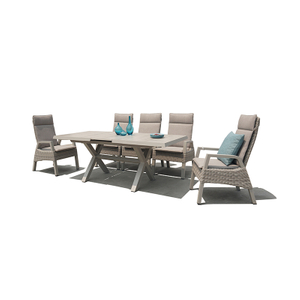
Dual-use spaces demand exact ergonomic synergies. Work-from-home setups require precise table-to-chair ratios. If your forearms sit too high, shoulder strain quickly develops. Perfect alignment often comes from pre-configured furniture combinations. For example, WFH ergonomics often rely on exact pairings, such as matching a Karlstad Table And Freedom Dining Chair, to align keyboard height perfectly. This prevents shoulder strain entirely. Pre-calculated sets eliminate measuring errors. Choosing the Karlstad Table And Freedom Dining Chair ensures dimensional harmony. You avoid the frustrating trial-and-error phase completely.
Horizontal Spacing Formula
Crowded elbows ruin elegant dinner parties. You must allocate proper horizontal spacing around the table. Give each person 24 to 26 inches of horizontal table edge. Then, mandate a strict 6-inch buffer between adjacent chairs. This spacing formula guarantees everyone enough room. Diners can eat, type, or gesture freely. It prevents claustrophobia during long gatherings. It makes navigating around seated guests incredibly easy.
Material Durability and TCO (Total Cost of Ownership)
Evaluating comfort involves analyzing long-term material survival. A chair tearing after six months loses all its appeal. You must calculate the total cost of ownership accurately.
Performance Fabrics vs. Aesthetics
Visual appeal rarely survives a busy household environment. You must evaluate lifecycle costs regarding upholstery choices. High-maintenance materials degrade rapidly under daily stress. Delicate silks and cheap cottons stain instantly. Instead, prioritize advanced tech-fabrics. Bouclé, treated linen, and vegan leather offer incredible resilience. They resist pet claws easily. They withstand denim rivet friction daily. Most importantly, they repel liquid spills effectively before deep stains set. They maintain a plush feel without demanding constant professional cleaning.
Joint Construction
A wobbly chair destroys the psychological perception of comfort. You constantly brace yourself against a sudden collapse. You must inspect the joinery methods thoroughly. Basic screw assemblies loosen predictably over time. They require constant, annoying tightening. True stability comes from traditional dowel or mortise-and-tenon joinery. These methods interlock wood securely. They provide unshakeable support for decades. Glued and screwed corner blocks add another layer of immense strength.
Cost vs. Lifespan
We must reframe furniture purchases entirely. Stop looking solely at the upfront price tag. Calculate the "cost per year" instead. Buying cheap, disposable fast-furniture costs significantly more over time. You replace flimsy chairs every two years. Investing in the $150 to $300 range per chair changes the financial equation entirely. This specific price bracket bridges the gap perfectly. It separates temporary fixes from legacy pieces. These investments are designed faithfully to last a decade.
Disposable Chair ($50): Replaced three times in ten years. Total Cost: $150 plus intense frustration.
Investment Chair ($250): Survives ten years easily. Total Cost: $250 with daily ergonomic benefits.
Conclusion
The search for perfect dining room seating requires looking past fleeting visual trends. You must prioritize internal suspension systems over surface appearance. Seek out an angled backrest to protect your lumbar spine. Finally, demand performance fabrics to handle daily chaotic life. True comfort merges anatomical support with rugged durability.
Your next step is practical measurement. Grab your measuring tape right now. Measure your target table from the inside of the legs, not the top surface. This yields your true functional width constraints. Check the bottom apron clearance to accommodate any desired armrests. Finally, rigorously filter your shopping shortlists. Accept only chairs boasting verified commercial weight capacities. You are now ready to upgrade your dining space permanently.
FAQ
Q: What is the best angle for a comfortable dining chair?
A: A slight recline between 95 and 105 degrees is optimal for digestion and sustained comfort without encouraging slouching.
Q: Are chairs with arms more comfortable than armless dining chairs?
A: Yes, for prolonged sitting, arms reduce neck and shoulder strain by supporting the elbows. However, they require careful table clearance measurements and take up more horizontal space.
Q: How do I know if a dining chair will hold heavy weight?
A: Look beyond standard retail tags; seek out chairs featuring steel frame reinforcements, commercial/restaurant-grade certifications, or specific weight ratings clearly listed at 300 lbs or above.
Q: What is the best fabric for dining chairs if I host often?
A: Performance fabrics like treated Bouclé, high-grade Vegan leather, or tightly woven polyester blends offer the best balance of plush seating and spill/stain resistance.
Table of Content list