- Home

What Is The Difference between A Couch And A Sofa Set?
Views: 0 Author: Site Editor Publish Time: 2026-04-15 Origin: Site


When decorating a primary living room, most people use the terms "couch" and "sofa" interchangeably in casual conversation. However, furniture buyers face a distinct structural and financial decision. You must choose between a standalone couch and a cohesive sofa set. Misunderstanding this difference often leads to mismatched room aesthetics, poor spatial flow, or premature furniture replacement. Buying seating pieces unable to handle daily life proves frustrating and expensive. The stakes are surprisingly high when outfitting your most frequently used room. Our goal is to move beyond linguistic trivia. We will establish a concrete, decision-stage framework. You will learn to evaluate spatial requirements accurately, assess daily functionality, and maximize long-term financial value. By exploring these practical differences, we help you make informed seating choices for your home.
Key Takeaways
Linguistic vs. Practical: "Couch" historically implies casual, unstructured lounging, while "sofa" dictates formal, structured seating. A "sofa set" introduces multi-piece room cohesion.
Layout Realities: Upgrading to a sofa set requires specific spatial planning, adhering to the 24-to-36-inch clearance rule for optimal room flow.
Total Cost of Ownership (TCO): Investing in a durable, matching collection often yields a better ROI than piecing together mismatched casual couches that degrade at different rates.
Targeted Evaluation: Assessing models like the Arbor Sofa Set requires looking past aesthetics to structural integrity, fabric resilience, and seating capacity.
The Structural Divide: Casual Couches vs. Structured Sofa Sets
Etymology as a Functional Baseline
Understanding the origins of these terms provides a useful functional baseline. We trace the word "sofa" back to the Arabic term suffah. This word described a raised, structured bench covered in cushions. The design emphasized upright posture and formal hosting. Traditional sofas feature distinct armrests and firm backrests. They encourage guests to sit up straight and converse.
Conversely, we trace "couch" to the French verb coucher, meaning "to lie down." This origin emphasizes deep seating and casual lounging. Couches historically feature missing or asymmetrical armrests. They invite you to recline, nap, or watch television in a relaxed posture. The furniture industry still subconsciously designs around these historical cues.
The Addition of the "Set"
Defining a single piece requires looking at its primary use case. A standalone couch acts as an isolated solution for personal relaxation. We often place them in media rooms, dens, or home theaters. They prioritize individual comfort over group dynamics.
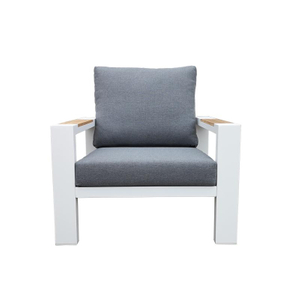
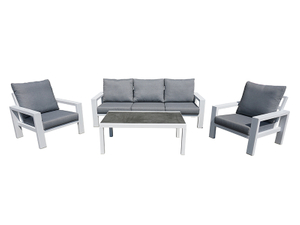
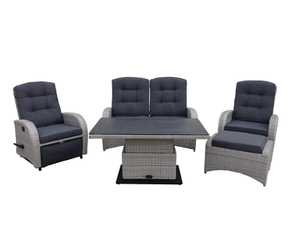
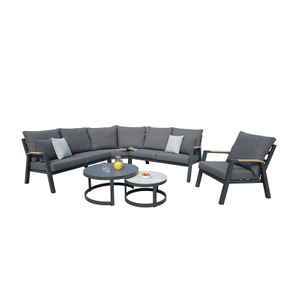
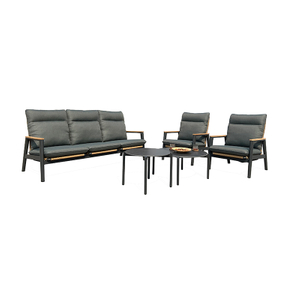
A sofa set introduces a completely different dynamic. We define it as a curated seating system. Manufacturers design these collections to anchor a room. A typical configuration includes a three-seater sofa, a matching loveseat, and an accent chair. This multi-piece system enforces design continuity. It facilitates face-to-face interaction rather than screen-focused alignment.
Best Practices for Room Identification
Identify your room's primary purpose before buying. Formal living rooms benefit from structured sets. Family dens thrive when equipped by casual, deep-seated couches. Mixing these purposes often creates visual confusion.
Evaluating Spatial Requirements and Implementation Risks
Success Criteria for Room Layout
Moving from a single piece to a set changes your architectural footprint. A lone couch easily hugs a wall. A multi-piece collection demands deliberate spatial planning. You must evaluate the room's entire traffic flow. Successfully implementing a set means balancing seating capacity against navigable floor space.
The 24-36 Inch Clearance Rule
Interior design relies on strict mathematical guidelines. You must maintain at least 24 to 36 inches of walkway space around each piece. This clearance rule prevents a cluttered, unnavigable room. Squeezing too many pieces into a compact space destroys comfort. We recommend taping out dimensions on your floor before purchasing. If a coffee table sits between pieces, allow 14 to 18 inches of legroom.
Conversational Layouts
Sofa sets allow for sophisticated "floating" arrangements. You can place them directly in the center of the room. Two facing pieces create an intimate conversational layout. Single couches rarely work in the room's center. We typically relegate them to wall-hugging placements to save space. A floating arrangement requires ample square footage but delivers a highly professional aesthetic.
Delivery and Rollout Risks
You face significant logistical challenges when committing to multi-piece deliveries. Many buyers ignore the journey from the street to the living room.
Measure your front doorway width and height carefully.
Check stairwell pivot points and ceiling clearance.
Verify elevator dimensions if living in an apartment.
Confirm the packaged dimensions of all boxed items.
Assess tight hallway corners leading into the final room.
Failure to complete this checklist often results in costly return shipping fees. Multi-piece sets increase the statistical risk of delivery bottlenecks.
Material Performance and Lifestyle Alignment
Matching Features to Outcomes
The structural difference between these furniture types dictates their material requirements. You must match fabric performance to your expected daily outcomes. Buying a delicate fabric for a high-traffic zone ensures rapid deterioration.
The Casual Couch Profile
Couches live in high-friction environments. Pets, children, and daily lounging subject them to intense wear. They require resilient, easy-to-clean materials. Performance microfiber resists stains and handles heavy abrasion well. Removable slipcovers offer another excellent solution for busy households. The foam inside casual pieces usually features a softer density to accommodate long reclining sessions.
The Sofa Set Profile
We reserve sofa sets for formal entertaining and structured daily use. They often utilize premium textiles or top-grain leathers. These pieces require structured foam cushions. High-density foam resists sagging over time. It maintains a uniform, tailored aesthetic even after years of hosting guests. You expect a crisp, professional appearance from these collections.
Wear-and-Tear Variables
Mismatched pieces age inconsistently. If you buy a separate couch and a random accent chair, they degrade at different rates. Their fabrics fade differently under sunlight. A unified set maintains equal structural integrity if rotated properly. Rotating cushions and alternating seating spots across the set extends its lifespan significantly.
Attribute
Casual Couch
Structured Sofa Set
Primary Use
Lounging, napping, media viewing
Entertaining, formal conversations
Preferred Material
Microfiber, slipcovers, durable synthetics
Top-grain leather, linen, premium blends
Cushion Density
Soft, plush, accommodating
Firm, high-resiliency, tailored
Aging Pattern
Shows isolated wear quickly
Ages uniformly if maintained
Analyzing the Arbor Sofa Set: A Buying Framework
Design and Cohesion
Evaluating bottom-of-funnel choices requires a strict standard. We use the Arbor Sofa Set as our primary benchmark. It elegantly solves the problem of fragmented interior design. Many homeowners struggle to match varying wood tones and fabric textures. This collection offers structurally aligned companion pieces. The aesthetic continuity instantly elevates a chaotic living room into a curated space. It removes the guesswork from matching arm profiles and leg styles.
Seating Capacity vs. Footprint
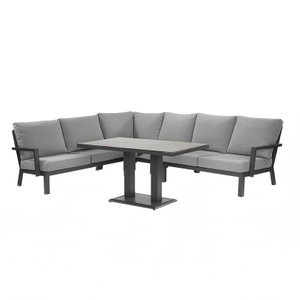
You must evaluate actual seating efficiency. Buyers often assume a massive sectional provides the most seats. However, bulky single-piece sectionals waste space in the corners. They trap people in awkward middle positions. The Arbor Sofa Set separates the seating zones. This allows multiple people to claim comfortable end spots. It delivers higher usable seating capacity while maintaining a lighter visual footprint in the room.
Construction Quality
Moving from a disposable piece to a lasting set requires specific structural guarantees. Look closely at the frame materials. Kiln-dried hardwood frames prevent warping and cracking over decades. Sinuous spring suspension systems ensure the cushions never bottom out. The foam density justifies the premium transition. Lower-tier furniture uses inexpensive foam prone to flattening within two years. High-quality sets utilize multi-layer foam wrapped in Dacron. This construction maintains sharp aesthetic lines while providing ergonomic support for upright hosting.
Common Mistakes to Avoid
Do not judge a set purely by its fabric color. Always press firmly on the armrests. If you can feel the wooden frame easily, the padding lacks density. Verify the joint construction. Glued and screwed corner blocks signify longevity.
Shortlisting Logic: TCO, ROI, and Final Decision Criteria
Evaluating TCO in Furniture
Total Cost of Ownership (TCO) changes how we view furniture purchases. Consumers frequently buy cheap, single couches every three to five years. The initial price tag seems attractive. However, the recurring replacement costs add up rapidly. Upfront investment in a durable sofa set designed for a decade of use yields a much better Return on Investment (ROI). You stop paying for disposal fees and recurring delivery charges.
Strategy
Initial Cost
Replacement Cycle
Total Cost (12 Years)
Design Continuity
Buying Cheap Single Couches
$800
Every 4 Years
$2,400
Poor / Mismatched
Investing in a Premium Set
$2,200
12+ Years
$2,200
High / Curated
Checklist for Choosing a Standalone Couch
You should opt for a single, standalone piece when specific conditions apply:
Your room space is strictly limited to one usable wall.
Your primary use involves horizontal resting or sleeping.
Your budget strictly dictates a single-piece purchase at this time.
You rent a small apartment and move frequently.
Checklist for Investing in a Sofa Set
You should transition to a complete set when your lifestyle demands it:
Hosting guests and facilitating conversational layouts is a priority.
Symmetrical aesthetic alignment is desired for the space.
Your room dimensions comfortably support multiple distinct seating zones.
You seek long-term structural durability over temporary convenience.
Conclusion
The decision between these two options is never just about terminology. It fundamentally comes down to spatial strategy and your daily lifestyle demands. Casual spaces thrive perfectly well with adaptable, deep-seated couches. However, primary living spaces require a different approach. They benefit immensely from the structure, durability, and aesthetic unity found in curated collections.
You gain significant long-term value by choosing unified pieces that age together seamlessly. Your next action step is clear. Grab a tape measure and evaluate your primary living space. Map out the 36-inch clearance zones to determine your maximum footprint. Finally, review the precise specifications of your targeted seating arrangement to ensure a perfect fit.
FAQ
Q: Is a "settee" the same as a couch or sofa?
A: No. A settee is traditionally smaller, designed to seat exactly two people. It features an upright, slender profile and shallow seating depth. We often use them in narrow entryways or as bedroom accents. They lack the deep comfort and wide proportions found in typical living room collections.
Q: What is the "Chesterfield" and where does it fit in?
A: The Chesterfield is a highly structured, tufted style of formal sofa. It originated in the UK and remains common in Canada. It features arms and backs of the exact same height, heavily buttoned leather, and rolled arms. It represents the pinnacle of formal seating rather than casual lounging.
Q: Is it cheaper to buy a couch or a sofa set?
A: A single couch carries a lower initial cost. However, a bundled sofa set often provides a lower cost-per-seat. When calculating Total Cost of Ownership (TCO), investing in a durable set yields better long-term design ROI. You avoid the recurring costs of replacing mismatched, rapidly degrading individual pieces.
Table of Content list