- Home

What Is Better Quality, Rattan Or Wicker?
Views: 0 Author: Site Editor Publish Time: 2026-04-25 Origin: Site


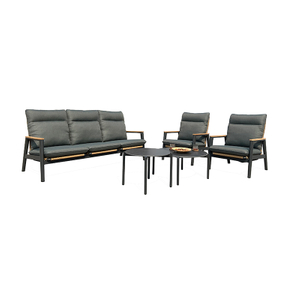
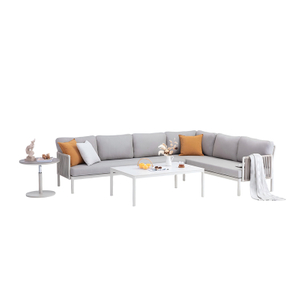
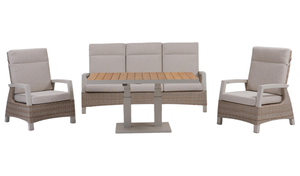
Shopping for durable outdoor furniture often feels confusing and overwhelming. You might find yourself staring at product labels, trying to decide between rattan and wicker. Buyers face this exact dilemma when sourcing investment pieces for their homes or businesses. The search for the right material usually peaks during the final decision stage. You might be evaluating a Rattan-woven Backrest Sofa Set for a residential patio. Or perhaps you need one for a commercial lounge space.
This article clarifies the foundational difference between material and weaving technique. We will strip away confusing marketing fluff to give you clear facts. You will learn a strict evaluation framework based on Total Cost of Ownership (TCO). We also cover lifespan expectations and environmental suitability. Ultimately, you will gain the expertise needed to choose the right furniture for your specific space.
Key Takeaways
Fundamental Distinction: Rattan is a specific organic material (a solid tropical vine); Wicker is an ancient weaving technique, not a material itself.
The Real Comparison: The actual purchasing decision is between Natural Rattan (best for indoors/sunrooms) and Synthetic All-Weather Wicker (best for exposed outdoor environments).
Lifespan Expectations: Quality natural rattan can last 10–30 years indoors but degrades rapidly outside. High-density polyethylene (HDPE) synthetic wicker offers 10–20 years of robust outdoor durability.
Maintenance Trade-offs: Natural materials require active upkeep (oiling, humidity control), whereas synthetic options represent a low-maintenance, hose-and-dry solution.
The Core Misconception: Material vs. Weaving Technique
Many shoppers enter furniture stores asking whether rattan or wicker offers better quality. This question stems from a widespread industry misconception. You cannot directly compare the two terms. One describes a physical substance. The other describes an ancient construction method. Understanding this distinction is the first step toward making an informed purchase.
Defining Rattan (The Material)
Rattan is a naturally occurring organic material. It is a solid tropical palm vine native to regions in Southeast Asia, Africa, and Australia. Botanists identify hundreds of distinct species, such as Malacca and Manau. Rattan possesses immense tensile strength due to its solid core. This solid structure makes it distinctly different from bamboo. Bamboo is a fast-growing grass with a hollow center. Rattan bends easily under steam without snapping. This flexibility allows artisans to create beautiful, curved furniture frames. It provides a warm, natural aesthetic highly valued in interior design.
Defining Wicker (The Process)
Wicker does not grow in a forest. It is a specific weaving style. This craft boasts a rich history dating back to ancient Egypt. Archaeologists actually discovered woven wicker chairs inside King Tutankhamun's tomb. Wicker refers purely to the technique of weaving pliable materials into intricate patterns. Artisans interlace these materials over a sturdy structural frame to create seating, tables, and baskets.
Clarifying the Market Terminology
Retailers often use the term "wicker furniture" loosely. A wicker chair can be made from natural rattan, willow, or reeds. Modern outdoor wicker often consists of synthetic resin. Asking "which is better quality" is a category error. It is like comparing wood to carpentry. Quality depends entirely on the base material used in the weave. You must always check the material label before judging a woven piece.
Common Mistake: Assuming all wicker furniture is suitable for the outdoors. Always verify the base material. A natural wicker chair will quickly rot if left on an exposed patio.
Natural Rattan vs. Synthetic Wicker: Evaluating Build Quality
Once you understand that wicker is merely the weave, the real comparison emerges. You must evaluate natural rattan against synthetic all-weather wicker. Each material possesses unique properties. They serve entirely different environmental purposes. Choosing the wrong material guarantees premature furniture failure.
Properties of Natural Rattan
Natural rattan represents authentic craftsmanship. Interior designers praise its unique texture and premium aesthetic. It brings a genuine warmth to indoor spaces.
Strengths: It is highly sustainable and biodegradable. The vines grow rapidly in tropical environments. Harvesting rattan causes less ecological damage than logging hardwood timber. It easily accepts stains and paints, offering versatile design options.
Vulnerabilities: Natural rattan is highly porous. It absorbs moisture from the air rapidly. High humidity causes rot and dangerous mold growth. Conversely, extreme heat dries out the vines. Direct UV damage causes severe cracking, splitting, and color fading.
Properties of Synthetic "All-Weather" Wicker
Manufacturers developed synthetic wicker to solve rattan's outdoor vulnerabilities. It mimics the visual appeal of natural vines. However, it relies on advanced chemical engineering to survive harsh climates.
Material Composition: Factories typically extrude synthetic wicker from HDPE (High-Density Polyethylene) or PVC (Polyvinyl Chloride) resin. They dye the resin completely through to ensure uniform color.
Strengths: High-quality synthetic resin is engineered for extreme weather resistance. It is heavily UV-stabilized to prevent fading under harsh sunlight. It remains completely impervious to moisture, rain, and snow.
Vulnerabilities: Not all synthetic wicker offers equal quality. Lower-end PVC versions can unspool easily. PVC becomes highly brittle in freezing temperatures. It often cracks under the weight of a seated person during winter. Buyers must verify HDPE quality to ensure true all-weather performance.
Material Comparison Chart
Feature
Natural Rattan
Synthetic Wicker (HDPE)
Synthetic Wicker (PVC)
Base Material
Tropical palm vine
High-Density Polyethylene
Polyvinyl Chloride
Best Environment
Indoors / Enclosed Sunrooms
Fully Exposed Outdoors
Covered Patios (Mild Climates)
Moisture Resistance
Poor (Prone to rot/mold)
Excellent (Waterproof)
Good (Waterproof)
UV Resistance
Poor (Fades and cracks)
Excellent (UV-stabilized)
Moderate (Fades over time)
Eco-Friendliness
High (Biodegradable)
Moderate (Often recyclable)
Low (Hard to recycle)
Lifespan, Maintenance, and Total Cost of Ownership (TCO)
Smart buyers evaluate furniture beyond the initial price tag. Total Cost of Ownership (TCO) includes maintenance labor, cleaning supplies, and replacement cycles. You must factor these elements into your budget.
Expected Longevity & Replacement Cycles
Lifespan varies drastically based on placement and material choice. Natural rattan thrives in controlled indoor environments. It easily lasts 10 to 30 years inside a living room. However, it survives less than 3 to 5 years if exposed to harsh outdoor elements. Rain and sun destroy the fibers rapidly.
Synthetic HDPE wicker boasts incredible resilience. It provides 10 to 20 years of robust durability in direct outdoor exposure. This longevity offers superior return on investment (ROI) for patio and commercial use. You replace it far less frequently than misplaced natural furniture.
Maintenance Labor Cost
Your time holds immense value. Natural upkeep requires significant active labor. You must dust the woven crevices regularly with soft brushes. You need to vacuum the piece frequently. Furthermore, natural materials demand periodic hydration. You must apply boiled linseed oil or beeswax annually. This prevents the fibers from over-drying and snapping. You absolutely cannot pressure-wash natural rattan.
Synthetic upkeep represents a zero-cost maintenance solution. It tolerates standard hose washing easily. You can clean spills using a soft brush and mild dish soap. The synthetic resin repels stains naturally. You spend your weekends enjoying the furniture, not repairing it.
Risk Mitigation and Storage
Storing natural furniture introduces hidden costs. You must place it in climate-controlled environments during winter. You should avoid wrapping natural vines in plastic tarps. Plastic traps ground moisture and creates a greenhouse effect for mold.
Synthetic furniture requires minimal winterization. You simply remove the cushions and store them indoors. You can leave the synthetic frame outside year-round. A breathable canvas cover keeps dirt off the resin. This ease of storage drastically lowers the operational burden for homeowners and hospitality managers.
4 Quality Checkpoints When Buying a Rattan-woven Backrest Sofa Set
Knowing the theory is helpful. Applying it during the shopping process is critical. You need practical ways to vet a specific product during shortlisting. Follow these four implementation checkpoints when evaluating any Rattan-woven Backrest Sofa Set.
Frame Construction Standards: The hidden frame dictates structural integrity. A durable outdoor sofa set must rely on a powder-coated, rust-proof aluminum frame. Avoid cheap steel frames at all costs. Steel eventually rusts when exposed to humidity. This rust bleeds through the woven resin and ruins the aesthetic permanently. You can use a small magnet to test the frame. Magnets stick to steel, but they do not stick to aluminum.
Weave Tension and Finish: Inspect the physical binding closely. A high-quality wicker technique will feel incredibly tight under your hand. Press firmly against the backrest. The weave should barely shift. Look for loose splines or unravelling ends. Check the termination points near the legs. You should find no sharp resin burrs or sloppy staples.
Material Certification: Read the product specifications carefully. Look for explicit mention of "HDPE" (High-Density Polyethylene). Manufacturers who use HDPE advertise it proudly. Do not settle for vague terms like "resin," "all-weather plastic," or "PE." Only genuine HDPE ensures robust UV resistance and prevents cold-weather cracking.
Cushion Architecture: A superior frame requires equally durable textiles. The durability of the metal and resin must be matched by the cushions. Ensure the sofa set utilizes marine-grade, water-repellent fabrics. Solution-dyed acrylics perform best against fading. The cushions should feature dense, multi-layer foam. This specialized foam offsets the natural firmness of a woven backrest. It allows water to drain rapidly if left out in the rain.
Best Practice: Always unzip the cushion cover before buying. Check if the inner foam is wrapped in a water-resistant ticking layer. This invisible detail separates premium furniture from cheap alternatives.
Decision Framework: Which Should You Choose?
Making the final choice requires an honest audit of your physical space. You must also consider your personal maintenance bandwidth. Use this framework to finalize your decision.
Choose Natural Rattan If:
The deployment is strictly indoor or situated in a fully enclosed sunroom.
The project demands authentic "biophilic" design principles.
You value unique organic textures over uniformity.
The purchasing mandate requires strict eco-friendly and biodegradable compliance.
You possess the time and willingness to perform annual oiling and dusting.
Choose Synthetic All-Weather Wicker If:
The furniture will face direct UV rays, rain, or poolside humidity.
The success criteria prioritize low operational maintenance.
You need maximum outdoor longevity to justify the investment.
The application is commercial (e.g., hospitality patios, uncovered residential decks).
You prefer the convenience of hose-and-dry cleaning.
By applying these specific criteria, you remove the guesswork. You align the material properties directly with your lifestyle needs.
Conclusion
The debate over better quality between rattan and wicker is easily resolved through context. You must evaluate the base material against your intended environment. Quality is not a universal metric; it is entirely contextual. Natural rattan offers unparalleled authentic indoor luxury and sustainable warmth. Conversely, high-grade synthetic HDPE wicker provides undisputed outdoor resilience and minimal maintenance.
To move forward successfully, audit your physical space. Determine if the area is covered or fully exposed to the elements. Assess your realistic maintenance bandwidth before finalizing any purchase. By matching the right material to the right environment, your woven sofa set will provide decades of comfort and aesthetic appeal. Make your investment wisely, and enjoy the enduring beauty of quality woven furniture.
FAQ
Q: Can you waterproof natural rattan furniture?
A: No. While you can apply water-based polyurethanes or exterior varnishes to add a basic layer of moisture resistance, it will never make natural rattan truly waterproof. These coatings eventually peel or crack. Natural rattan remains fundamentally porous and is entirely incapable of surviving long-term outdoor exposure.
Q: How can I tell if a wicker sofa is made of natural rattan or synthetic resin?
A: Natural rattan features slight variations in color, natural plant imperfections, and a highly porous, woody texture. It feels organic and slightly rough. Synthetic resin is completely uniform in color, perfectly smooth, and feels slightly plastic to the touch. Synthetic pieces are also frequently woven over exposed aluminum metal frames.
Q: Is synthetic wicker environmentally friendly?
A: It depends entirely on the manufacturer. Lower-grade PVC is toxic to produce and difficult to recycle. However, many premium synthetic options are now manufactured from a high percentage of recycled plastics (HDPE). These high-quality HDPE materials are generally 100% recyclable at the end of their 15-to-20-year lifespan.
Table of Content list